# A Two-Week Pantry Buffer for Normal Life: What to Stock, What to Rotate, and the Under-$100 Starter List
The Saturday the snow closes the road to the grocery store. The week the flu moves through the house and nobody has the energy to shop. The ice storm that takes the power out for a day, and the empty shelves at the store the morning after. None of these are disasters. All of them are exactly the situations a two-week pantry buffer absorbs, and none of them require anything you can’t buy on an ordinary supermarket run.
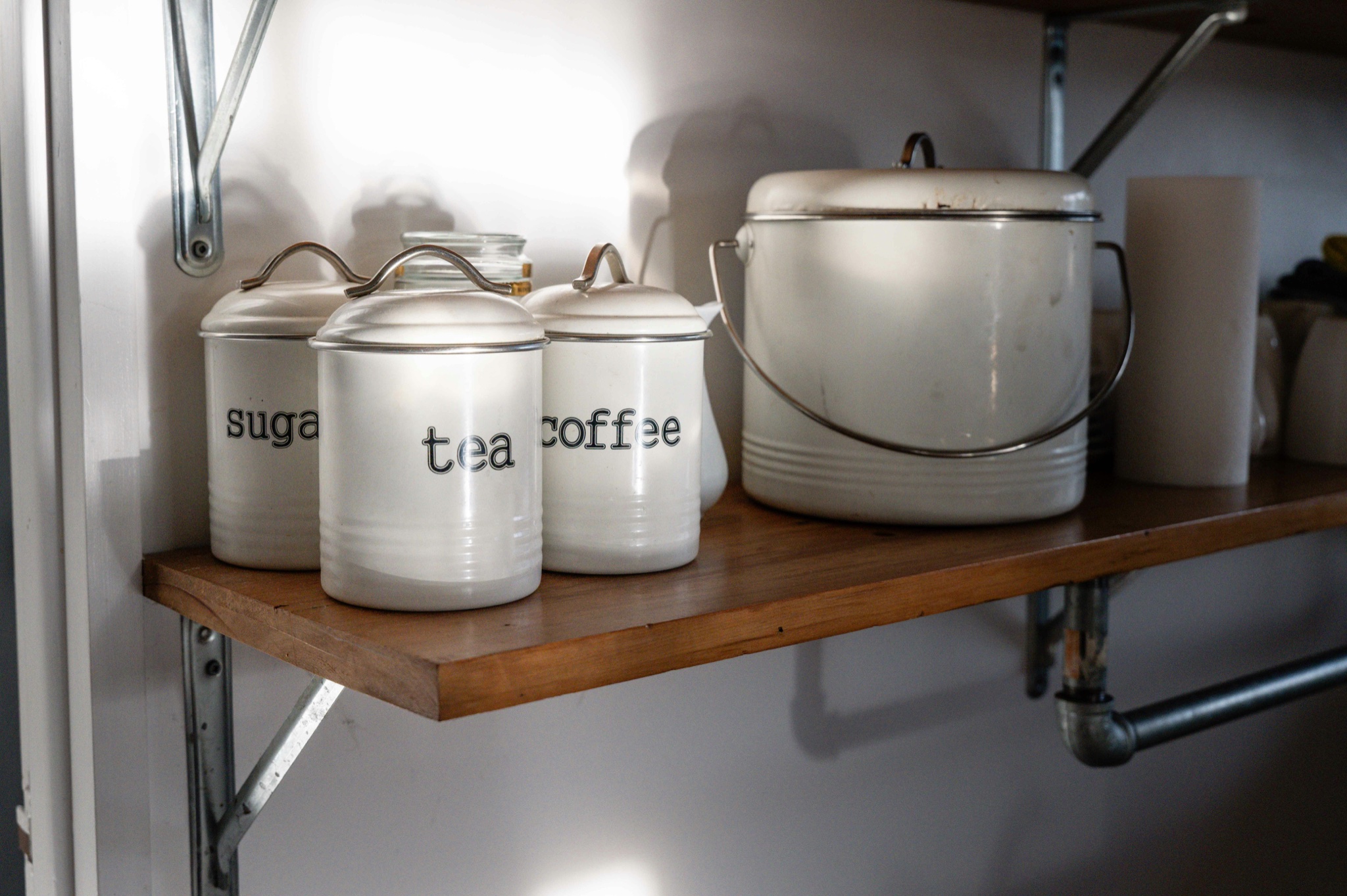
That’s the point of this piece. The two-week buffer is not a bunker, a stockpile, or a personality. It’s a slightly deeper version of the pantry you already keep, built to cover the gaps between grocery runs that normal life keeps producing. Even FEMA frames it that way. The agency’s food-and-water guidance puts it this way: “Even though it is unlikely that an emergency would cut off your food supply for two weeks, consider maintaining a supply that will last that long.” Then it tells you to build that supply from “the canned goods, dry mixes, and other staples on your cupboard shelves,” checking expiration dates and practicing first-in, first-out.
The Everyday Case for Two Weeks, in Plain Numbers
One statistic for scale, then we’re done with the disruption talk. According to the U.S. Energy Information Administration, the average American electricity customer lost power for 11 hours in 2024, nearly double the prior-decade average, with roughly 80% of those outage hours driven by three hurricanes (Beryl, Helene, and Milton). Hurricane Helene alone left 5.9 million customers in the dark across 10 states.
The number that matters more for most readers: when you set the major events aside, the average customer’s routine interruptions still add up to about 2 hours a year, plus whatever your local storms, freezes, and grid hiccups add on top. NOAA logged January 2024 winter storms in the South and Northeast at $1.9 billion and 41 deaths, and a freezing-rain event in the Portland metro at $1.7 billion. For most households, though, the lived version is a cold house, a closed store, and a long line the next morning.
The agencies don’t agree on a single magic number, and that’s fine. Ready.gov’s kit guidance says “several days.” The American Red Cross draws the sharper line: a 3-day supply if you have to leave home, a 2-week supply if you’re staying put. Washington and Oregon have made “2 Weeks Ready” official state policy: 14 gallons of water per person, and food built up “as simple as adding one can of food to your shopping cart each time.” Treat two weeks as the calm end of a convergent range, not a federal mandate. If your pantry currently covers five days, you’re not failing; you have a five-day buffer and a target.
What to Stock: The Under-$100 Starter List
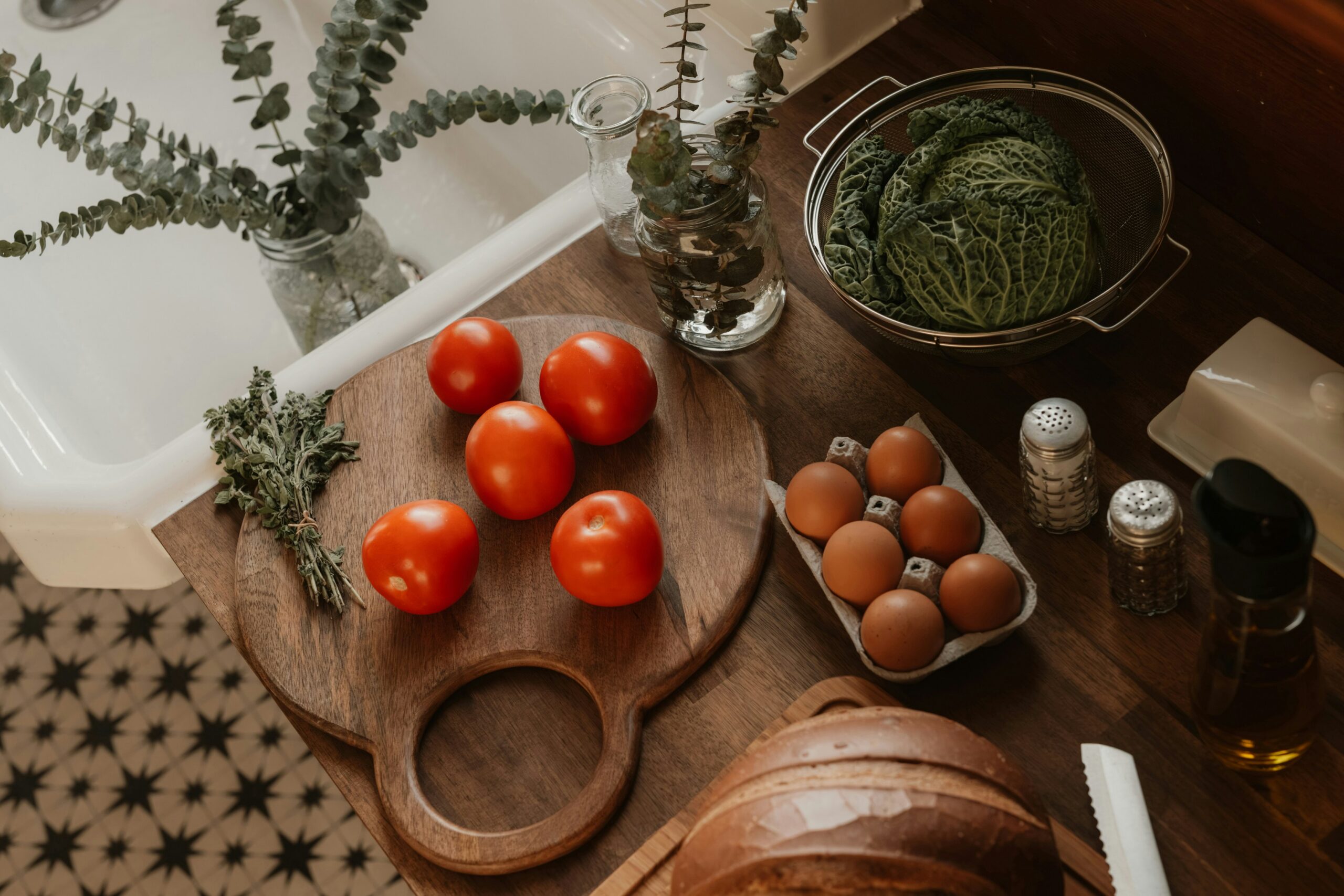
Start with calories, because that’s what a buffer is for. The Dietary Guidelines for Americans (2020–2025 edition, the current published one) puts adult needs at roughly 1,600 to 2,400 kcal a day for women and 2,000 to 3,000 for men, depending on age and activity. A sensible planning band is 2,000 to 2,400 kcal per person per day, which works out to 28,000 to 33,600 kcal per person for 14 days.
Now the receipt. Using September 2026 BLS average prices (U.S. city average) for the staples the Bureau of Labor Statistics tracks, plus store-brand estimates for the lines it doesn’t price: white rice at $1.118/lb, dried beans at $1.669/lb, spaghetti and macaroni at $1.375/lb (up 14.1% year over year; pasta spiked), all-purpose flour at $0.545/lb, white sugar at $1.019/lb. Here is the one-person starter list I worked through:
| Item | Cost | kcal (dry) |
|---|---|---|
| White rice, 10 lb | $11.18 | 16,500 |
| Dried beans, 5 lb | $8.35 | 7,775 |
| Pasta, 3 lb | $4.12 | 5,040 |
| Rolled oats, 42 oz | ~$4.50 | 4,524 |
| Peanut butter, 40 oz | ~$6.00 | 7,250 |
| Flour, 5 lb | $2.73 | 8,250 |
| Sugar, 4 lb | $4.08 | — |
| Canned tomatoes ×4, tuna ×3, vegetables ×4 | ~$13.00 | — |
| Vegetable oil, 48 oz | ~$4.00 | — |
| Powdered milk, 20 oz | ~$8.00 | — |
| Salt, bouillon, spices | ~$6.00 | — |
| Manual can opener | ~$3.00 | — |
| Total | ~$74.96 | 49,339 kcal core |
The core calorie staples alone (rice, beans, pasta, oats, peanut butter, flour) total about $37 and carry 49,339 kcal, which covers roughly 24 person-days at 2,000 kcal a day. The full list lands under $100 at about $5.35 per day for one person, with room left for water and a few comfort items. The headline math checks.
Three caveats, briefly. BLS average prices are national urban averages: a Manhattan reader pays more, a discount-store shopper less, so treat the table as a planning figure and re-run it against your own receipts. The canned goods, oats, peanut butter, oil, and powdered-milk lines are store-brand estimates (roughly $0.75 to $1.50 a can), not official series. And a rice-beans-pasta core is calories and protein, not a complete diet. The canned vegetables, tomatoes, and powdered milk exist to close some of that gap, and the buffer is designed to supplement your fridge and freezer, not replace fresh food. Nobody should eat like this for a month. For two weeks of storms and flu, it works.
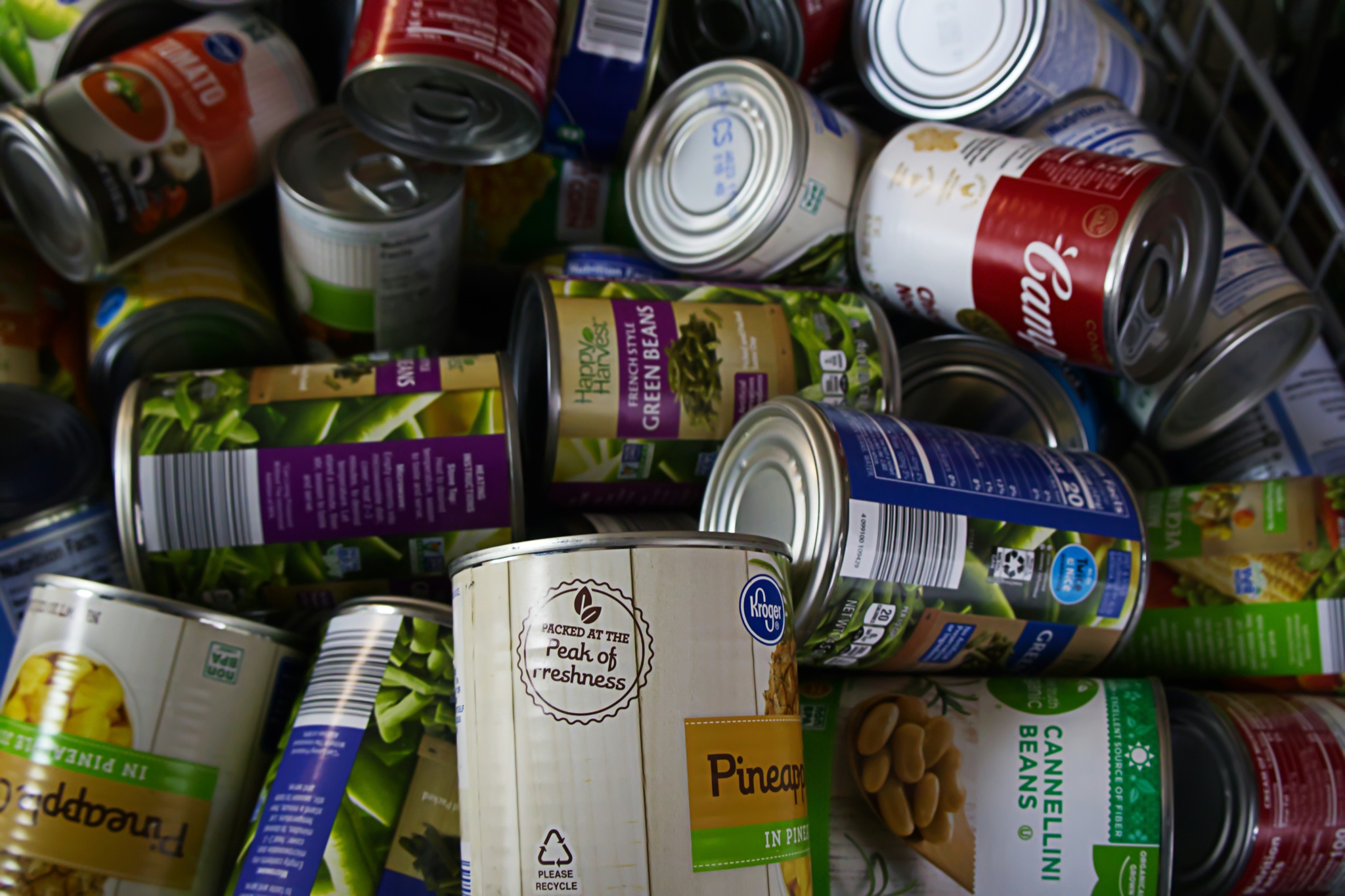
One selection rule matters more than any line item: buy the versions of these foods your household already cooks. If you make beans from dried on a normal Tuesday, store dried beans. If you don’t, store canned. We’ll come back to why.
The Rotation System: Where the Buffer Earns Its Keep
A pantry buffer has exactly one failure mode that matters, and it isn’t spoilage. It’s the buffer becoming a museum. Food goes in, nothing comes out, and five years later you’re throwing away $80 of expired cans. The fix is a rotation system, and it’s almost embarrassingly simple.
First-in, first-out. FEMA’s own guidance prescribes it: use the oldest items first. New Mexico State University Extension’s storage guidance gets operational: label contents and date, place new items at the back, and “once a month, sort through your stored foods to be sure the oldest dates are in front.” Clemson HGIC says the same thing: newly purchased products go behind the existing ones. One marker, one monthly 10-minute sort, oldest to the front. That’s the whole mechanic.
Store what you eat, eat what you store. Utah State University Extension puts it best: “If you don’t cook with dried beans, perhaps you would be better off storing commercially canned beans.” The buffer works when it is your normal pantry, one shopping trip deep. You cook from the front of the shelf on ordinary weeks and replace from the back on ordinary shops. Nothing expires, because nothing sits still. If your household never eats canned tuna, a row of canned tuna is not a buffer; it’s a donation you’ll make to a food pantry in three years, minus the trip.
If you’ve already started preserving food at home, a jar of homemade sauerkraut or a first batch of kombucha follows the same logic: make what you’ll actually eat, date it, and work the front of the row first.
This is also why a working buffer is waste prevention, not hoarding. The most recent national picture, from ReFED’s 2025 U.S. Food Waste Report (using 2023 data): 73.9 million tons of surplus food, worth about $382 billion, at 442 lb per person, with residential waste the single largest sector at 35.2%. One caution when comparing years: ReFED revised its residential estimates about 40% downward this year using new household-tracking survey data, so older, bigger household-waste figures you’ll see quoted are stale.
The USDA has long estimated total U.S. food loss and waste at 30 to 40% of the supply (133 billion pounds and $161 billion worth in the baseline year of 2010), and USDA, EPA, and FDA share a national goal of cutting it 50% by 2030. An unrotated buffer adds to that pile. A rotated one doesn’t exist as separate food at all; it’s just your pantry, slightly deeper.
What Actually Lasts (and the One Safety Rule)
Shelf-life numbers are quality windows, not safety cliffs, in both directions. Here’s the practical chart, drawn from USDA FoodKeeper-derived figures via Kansas State Extension and Clemson HGIC:
| Food | Pantry life (best quality) |
|---|---|
| White rice | Up to 2 years |
| Brown rice | About 6 months (refrigerate — the bran oils go rancid) |
| Dried pasta | 1 to 2 years |
| Dried beans and peas | 1 year |
| Granulated sugar, table salt | Indefinite |
| Honey | 12 to 24 months pantry; sealed honey stays stable for decades (crystallization is texture, not spoilage) |
| Nonfat dry milk (unopened) | 12 months |
| Peanut butter | 6 to 9 months unopened; 3 to 4 months after opening (refrigerate) |
| Canned fruits, tomatoes, other high-acid foods | 12 to 18 months |
| Canned meats, vegetables, soups, stews (low-acid) | 2 to 5 years, below 85°F |
Two rules come out of that table. First, the quality windows are generous but real: white rice and brown rice are the teachable contrast: two years versus six months, same grain, different oils. Second, past-date commercially canned food is generally safe if the can is sound and the contents smell normal, but “generally” is doing work there. Dented at the seam, bulging, or heavily rusted cans get discarded, full stop. That’s not thrift, it’s just the line.
And one genuine safety rule, stated once and without drama: build the base of a normal-life buffer from commercially canned goods. According to the CDC, home-canned low-acid vegetables are the most common cause of botulism outbreaks in the United States. The National Center for Home Food Preservation is unambiguous that boiling-water canning of low-acid foods “poses a real risk of botulism poisoning”; pressure canning is the only recommended method.
Home canning is a fine craft with a real safety bar, and it’s a different lane from lacto-fermentation projects like sauerkraut or kimchi, which we’ve covered from the food-safety science side in our fermentation safety deep dive. If you didn’t can it yourself under pressure, buy the commercial can. (Clemson HGIC gives home-canned foods a one-year shelf life even when done right.)
Water: The Number Everyone Forgets
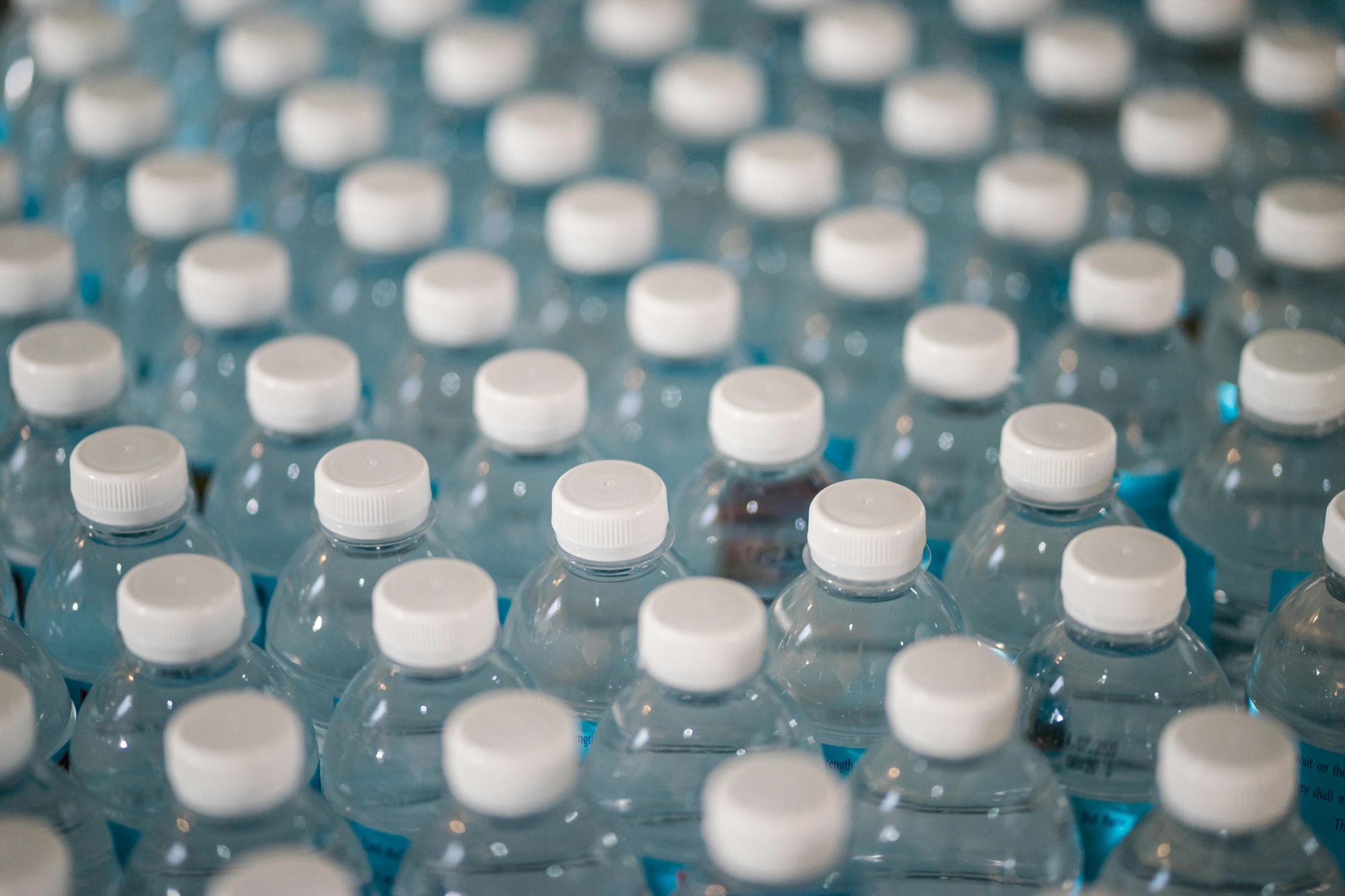
Food gets the attention; water is the heavier half of the buffer. Ready.gov, FEMA, and the Red Cross all land on the same number: one gallon per person per day, covering drinking and basic sanitation. A normally active person needs about three-quarters of a gallon of fluid daily, and hot weather or physical work can double total needs, which is why one gallon is a floor, not a ceiling. For two weeks, that’s 14 gallons per person — the weight of a teenager in water, which is why almost nobody has it on day one and nobody should try to get it on day one.
The build-up is the same one-can-per-trip mechanic as food: add one flat of bottled water to each shop, and you’re at a two-week supply inside a couple of months. Two rotation notes. Commercially bottled water carries a date, typically a year or two out, for taste and plastic reasons, so rotate through it. If you’re storing your own tap water in food-grade containers, replace it every six months (ready.gov and FEMA both say so). And the one rule that overrides everything else: never ration drinking water. Drink what you need today and find more tomorrow.
Storage Conditions: Six Enemies, One Shelf
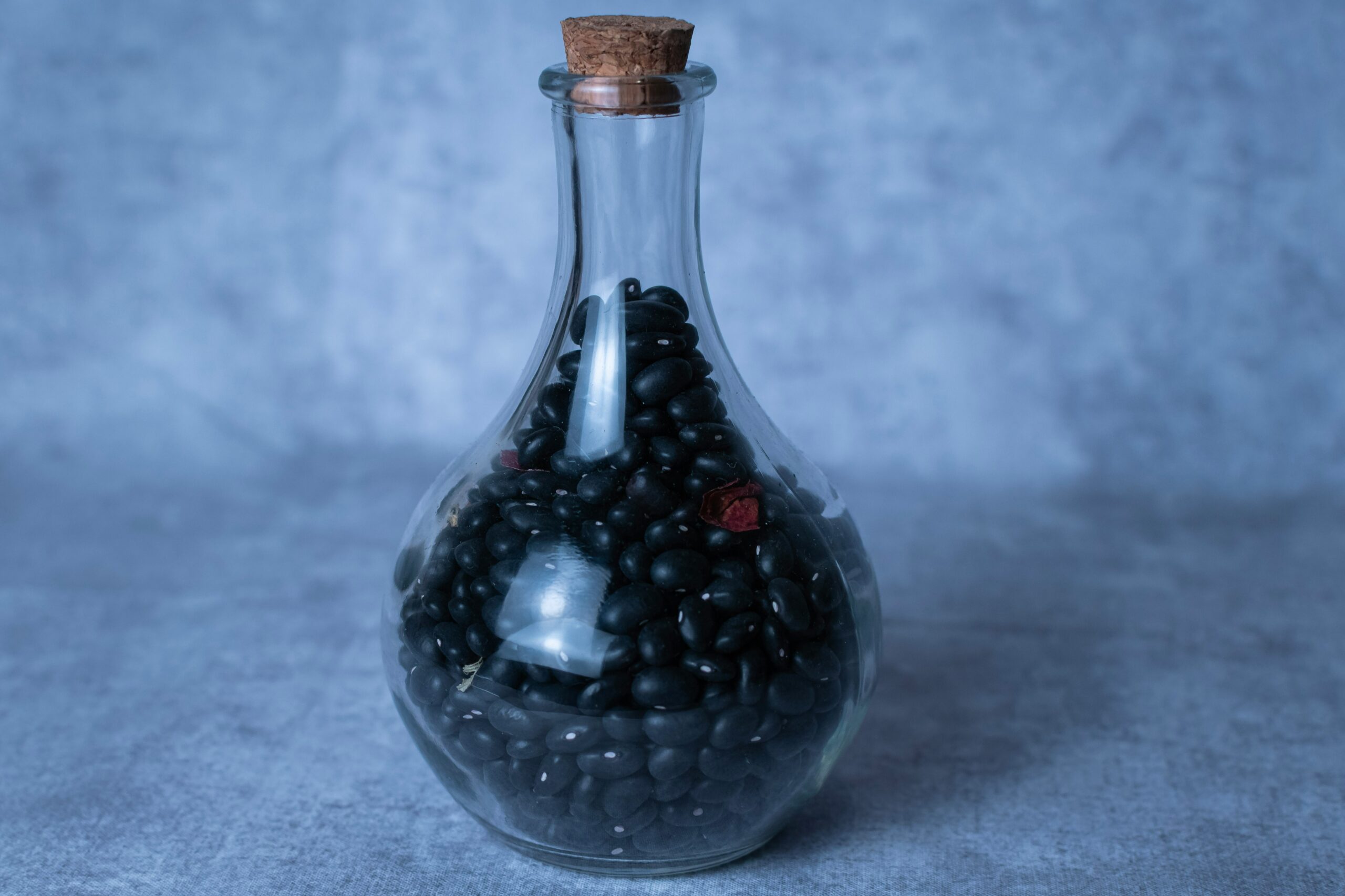
Extension services and the NCHFP agree on the six enemies of stored food: heat, light, moisture, oxygen, pests, and time. The countermeasures are equally unglamorous: cool (below 70°F is the ideal target, and definitely below 85°F for canned goods), dry, dark, airtight (glass, metal, or rigid plastic), off the floor, and away from the stove and hot pipes. Temperature is the multiplier. NCHFP’s dried-foods guidance puts most dried fruit at one year of storage at 60°F versus only six months at 80°F.
If you want to go further, Mylar bags with oxygen absorbers can stretch dry goods to 10 to 30 years, and there’s a whole long-storage hobby down that road. For a two-week normal-life buffer, it’s overkill. A cool, dark shelf and airtight containers cover it.
Wrap-Up: Why This Matters, and What to Do This Week
The case for the buffer is the same as the case for keeping a spare tire or a basic first-aid kit: the disruption it covers is common, the cost is small, and the alternative is improvising during the one week you’re least able to. At September 2026 prices, the whole food list runs under $100 for one person. The rotation system that keeps it from becoming waste is a marker and a monthly 10-minute sort. The water target is one gallon per person per day, built up one flat at a time.
None of this is a project; it’s a slight deepening of shopping you already do, and it doubles as the pantry mirror of any food you’re growing or preserving yourself. The same eat-what-you-store logic keeps a garden harvest or a batch of homemade sauerkraut from becoming compost. If you want the equipment side of the resilient kitchen next (the gear and upgrades, as opposed to this piece’s stock), the resilient kitchen guide covers it as a complement.
This week, concretely: buy one flat of water, three cans of something your household already eats, and a permanent marker. Date the cans, put them behind whatever’s on the shelf, and write the monthly sort on the calendar. Next week, do it again. That is the entire system.
Related reading
Growing Sprouts at Home: Seed to Sandwich in Five Days, at About $1 a Jar
The complete home sprouting guide: which varieties to grow, what they cost vs. retail, the 2026 safety rules, and how many jars a household of …

Using Trees to Heal the Land: Tree-Crop Permaculture by Climate Zone
Agriculture drove 86% of deforestation. The fix is the mirror image: the right trees in the right place, by climate zone, with the numbers to …
The Windowsill Herb Garden That Actually Produces: Light, Soil, and the 5 Herbs Worth Growing
Most culinary herbs want eight hours of direct sun a day; a winter windowsill gives a fraction of that. Measure your light first, then pick …