A quart jar of alfalfa sprouts costs $3.19 to $4.49 at a US grocery store, for about four ounces. The same jar, grown on your own counter from seed, costs roughly a dollar in seed, takes five days, and needs nothing more exotic than a mason jar and a mesh lid. Sprouting is the fastest return in home food production: no soil, no grow lights, no season.
It is also a ready-to-eat food with a documented outbreak history, and 2026 added two more outbreaks to the record. The safety rules are short, they are non-negotiable, and they come first — before the variety guide, before the cost math. Follow them and this is one of the most rewarding $30 experiments in the kitchen. Skip them and you are culturing bacteria in a warm, wet jar on purpose.
The Safety Rules Come First
Raw sprouts have caused more than 50 reported outbreaks since 1996, with over 2,700 illnesses, per the FDA’s final guidance on sprout seed. Colorado State’s Food Source Information database, drawing on CDC outbreak reports, counts 53 outbreaks between 2000 and 2020 alone: 1,498 illnesses, 179 hospitalizations, and 5 deaths.
Two more landed this year. An alfalfa sprout outbreak traced to a single seed lot (SAL2-24JB) sickened 77 people across 16 states. A Salmonella outbreak tied to broccoli sprouts sickened 34 people in 6 states; whole-genome sequencing matched the outbreak strain to Salmonella found in the seed itself, imported from New Zealand. That lot carried a 2029 expiration date, which means contaminated seed can still be sitting in home pantries right now.
The pattern in nearly every outbreak is the same, and it explains why home sprouting can be safe:
- The seed is the usual source of contamination. Pathogens ride on the seed, not in your kitchen.
- Warm, humid sprouting conditions amplify whatever is there. A sprouting jar is close to an ideal bacterial incubator: 65–80°F, damp, nutrient-rich.
- No home treatment reliably sterilizes seed. The CDC’s review of the international outbreak record found pathogens can exceed 10 million colony-forming units per gram of sprouts “without adversely affecting appearance”: the batch looks and smells fine.
- Even the industrial treatment is not a guarantee. Commercial growers soak seed in 20,000 ppm calcium hypochlorite for ten minutes, and that “may not be sufficient to eliminate the risk,” per that same review. A home vinegar rinse will not do that.
The defense, then, is not decontamination. It is a short chain of habits:
- Buy seed sold for sprouting, from a supplier that states pathogen-free status. UC ANR’s home sprouting guide is blunt: request pathogen-free certification, because “the term ‘organic’ does not [guarantee pathogen-free].” Seed from garden racks, bulk bins, and birdseed bags is an agricultural input, handled like one, sometimes treated with fungicide. It is not food.
- Keep the setup clean and the sprouts drained. Rinse with cool water two to four times a day and drain completely. Standing water is where bacteria multiply.
- Refrigerate within two hours of harvest, at 40°F or below, and wash sprouts before eating.
- Cook sprouts for anyone in a higher-risk group. The CDC’s standing advice, verbatim: “Children, older adults, pregnant women, and people with weakened immune systems should avoid eating raw or lightly cooked sprouts of any kind.”
That last rule is not a reason to skip this article. Cooked sprout dishes are some of the best ones, and there is a whole section on them below.
The Variety Guide
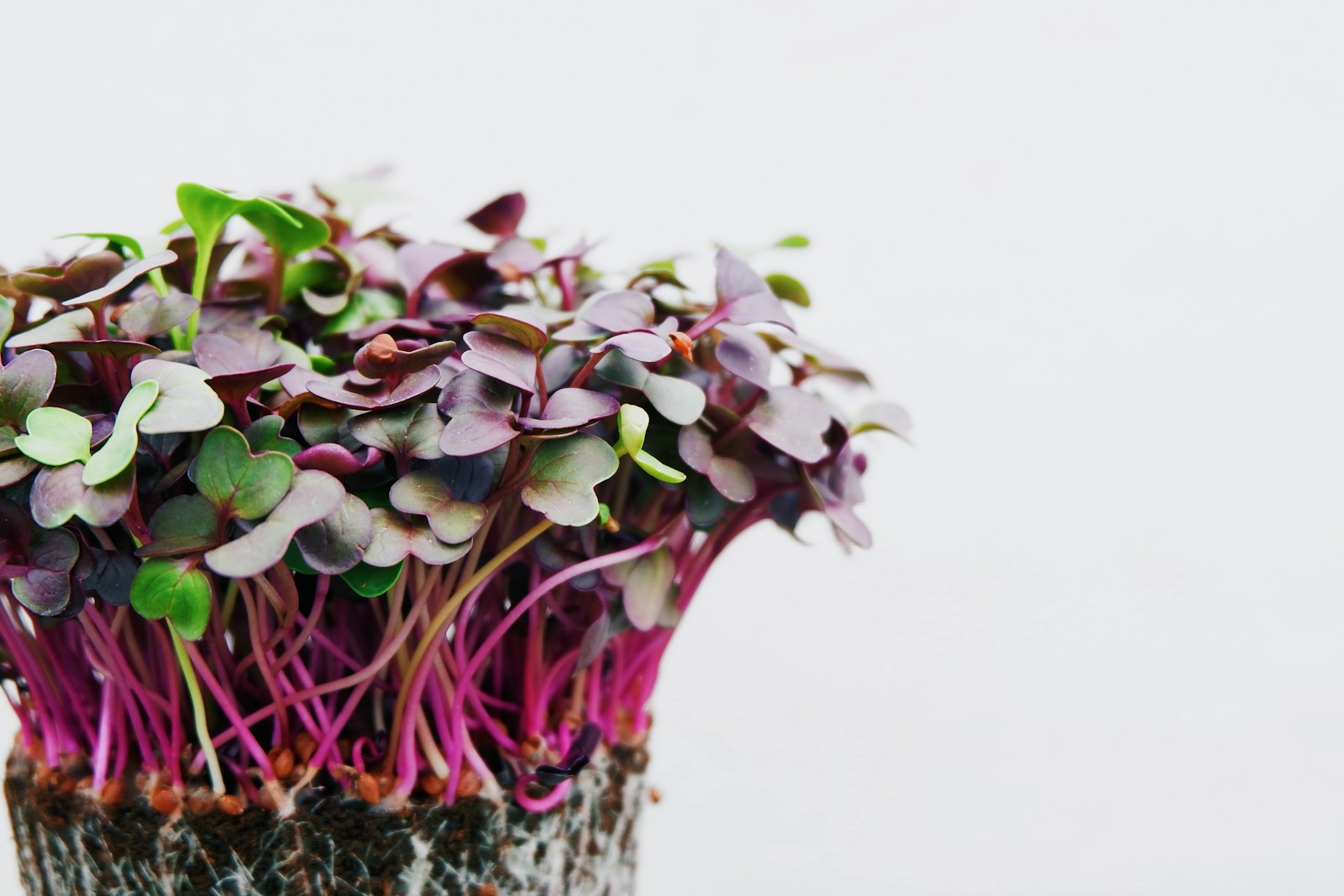
Every variety below follows the same basic method: soak 8–12 hours, then rinse and drain two to four times a day until harvest at one to two inches. What differs is days, volume, flavor, and protein. Yield figures are per Oregon State University Extension and Johnny’s Selected Seeds; nutrition values are USDA FoodData Central, pulled via the USDA API on November 11, 2026.
| Variety | Days to harvest | Yield | Protein (g/100g) | Flavor | Effort notes |
|---|---|---|---|---|---|
| Alfalfa | 3–5 | 3 Tbsp seed = 1 quart sprouts | 3.99 | Mild, nutty, juicy | The classic jar crop; 3–4 rinses/day |
| Mung bean | 3–5 | ½ cup seed = 2 cups sprouts | 3.04 | Crunchy, green-bean | Highest rinse frequency (4–5×/day); the stir-fry sprout |
| Broccoli | 5–7 | 1 Tbsp seed = 1–1½ cups | 3.6–4.2 (branded data, approximate) | Mildly peppery, cabbage-like | Slightly longer cycle; the research darling |
| Lentil | 3–4 | ½ cup seed = 3 cups sprouts | 8.96 | Earthy, crunchy, peppery finish | Big volume per seed; 2–3 rinses/day |
| Radish | 3–5 | 2 Tbsp seed = 3 cups sprouts | 3.81 | Sharp, peppery, wasabi-adjacent | Fast; the spice pick |
| Soybean | 4 | ½ cup seed = 2 cups sprouts | 13.1 | Nutty, beany | Most protein per gram; most rinse-intensive |
If you are starting from zero, start with three: mung (easiest, and cooking it is the safety-smart prep anyway), alfalfa (the sandwich classic, and the one with the biggest retail markup over seed cost), and lentil (the protein pick, and forgiving of skipped rinses). Add broccoli once the habit sticks, and radish when you want something with a kick.
Two beyond-the-jar varieties are worth knowing. Soybean sprouts are the most protein-dense but demand up to eight rinses a day, which is a job for the committed. Pea shoots, grown longer in a tray rather than a jar, are the usual next step after jar sprouting works: sweet, tender, and excellent in pasta and soup. If that sounds like your path, the windowsill herb garden guide covers the light and soil side of counter-top growing. Treat pea shoots as a separate project, not a jar crop.
What You Need
The equipment list is short enough to fit in one sentence: a wide-mouth quart mason jar, a mesh sprouting lid, and seed. Everything else is optional. In practice, budget $30 to $50 for the full starter kit:
- Mason jars you likely own. If not, a four-pack of wide-mouth quarts runs about $15.
- Sprouting lids: stainless steel mesh lids start at $15.65 (True Leaf Market); simple plastic mesh 2-packs commonly go for $8–12. Either works. The lid’s only job is to let water out and air in while keeping seed in.
- Seed: $8 to $36 per bag depending on variety and size (more on sourcing below). Two or three 8-ounce bags cover months of weekly jars.
- Optional tray sprouter: stackable tray systems like the Easy Sprout ($25.79, price-verified) or Kitchen Crop-style trays (roughly $20–35, estimate) suit households eating sprouts daily: more volume per rinse, better for pea shoots later.
That is the whole kit. Compare it to any other food-production hobby and the entry cost is a rounding error, which is exactly why the cost math below matters: the equipment is trivial, so nearly every dollar of savings after break-even is real.
Seed Sourcing: The Most Important Purchase
If you remember one section of this guide, make it this one.
Buy seed sold specifically for sprouting, from a supplier that states pathogen-free status. Reputable suppliers — Sproutpeople, Mountain Rose Herbs, and dedicated sprouting lines at seed houses like Johnny’s — sell food-grade sprouting seed and can tell you how it was handled. Garden-center seed racks, bulk bins, and anything labeled “for planting” are not the same product. They may carry fungicide treatments, and they are handled as farm inputs, not as something destined for a ready-to-eat food.
Two cautions that sound like fine print but are not:
- “Certified organic” is not a safety certification. Organic describes how the seed was grown. It says nothing about pathogens. UC ANR’s guidance asks home sprouters to specifically request pathogen-free certification for exactly this reason.
- Check recall feeds before you buy, and keep your seed bags labeled. The 2026 alfalfa outbreak was traced to lot SAL2-24JB, which recall notices noted carried a 2029 expiration date. If you keep a sprout-seed pantry, the lot number on the bag is your recall lookup. No bag, no lookup.
Price-wise, seed runs $10.50–$22 per pound for alfalfa at Mountain Rose Herbs depending on bag size, $14.75–$36 for broccoli (the priciest common variety), and mung from $8.25. Sproutpeople’s alfalfa runs $15.51 with a documented 7:1 yield. Broccoli seed costs the most per pound; mung the least. No supplier relationship matters more than the pathogen-free statement, so if a seller cannot say where their seed came from, buy from one who can.
The Daily Rhythm
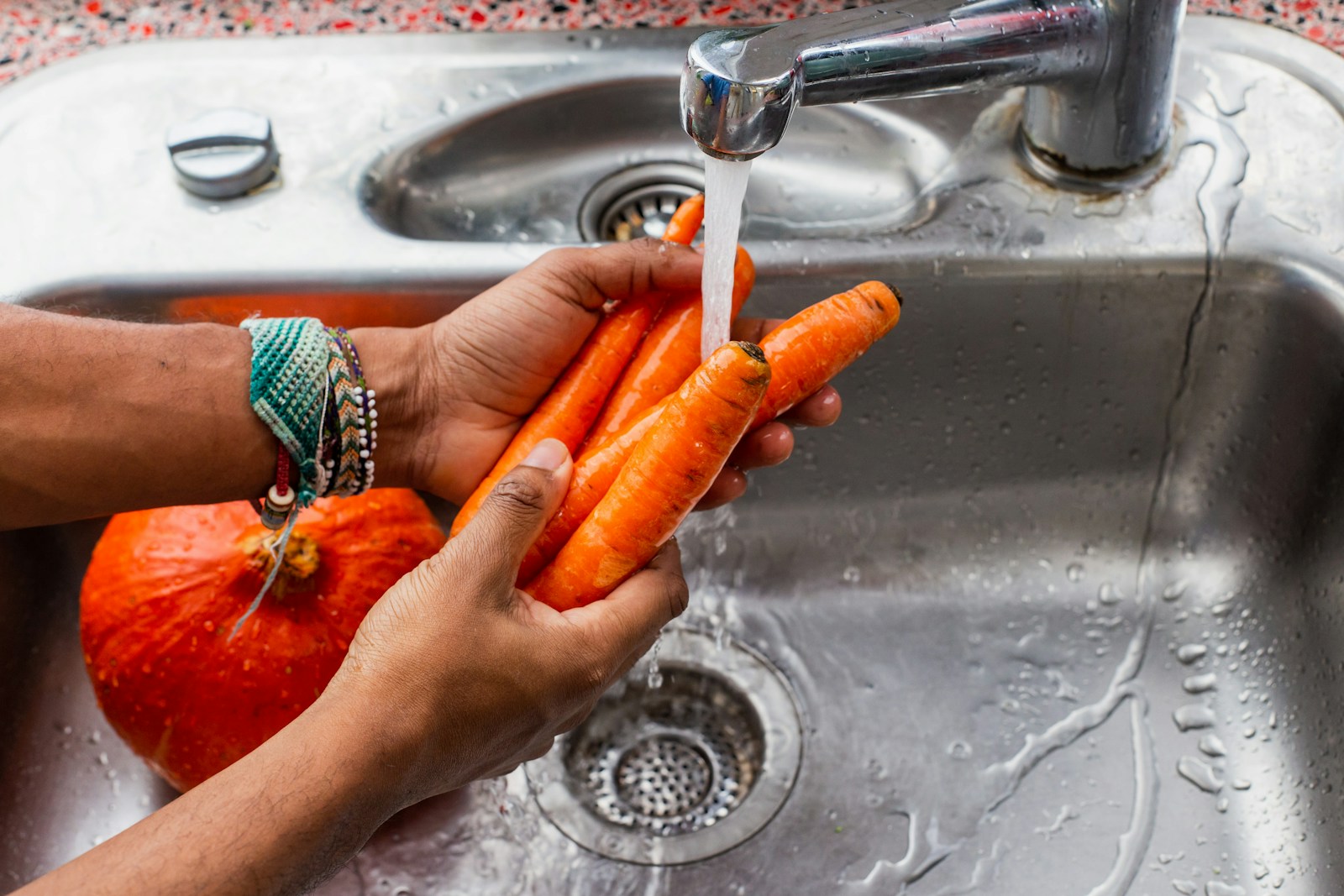
The method, shared by every extension source (Oregon State, Virginia Tech, UC ANR):
- Soak. Cover seed with cool water, 8–12 hours, in the jar.
- Rinse and drain, 2–4 times a day. Cool water in, shake, drain completely at an angle so the jar never sits in standing water. Mung and soybean want the high end: four to eight rinses.
- Keep at 65–80°F. Countertop is fine. Indirect light once leaves form greens them up; light is cosmetic, not required for growth.
- Harvest at 1–2 inches, usually day three to five. Rinse, drain thoroughly, refrigerate.
Total active time: under five minutes a day. What kills batches is not technique — it is skipped rinses, crowded seed, and poor drainage. One jar, one to two tablespoons of small seed (alfalfa class) or a quarter cup of mung, is the right density. A jar packed to the brim with dry seed becomes a clumped, airless mass of damp mush by day three. If you want more sprouts, run more jars, staggered two days apart; that also gives you a continuous harvest instead of feast-or-famine.
The Cost Math
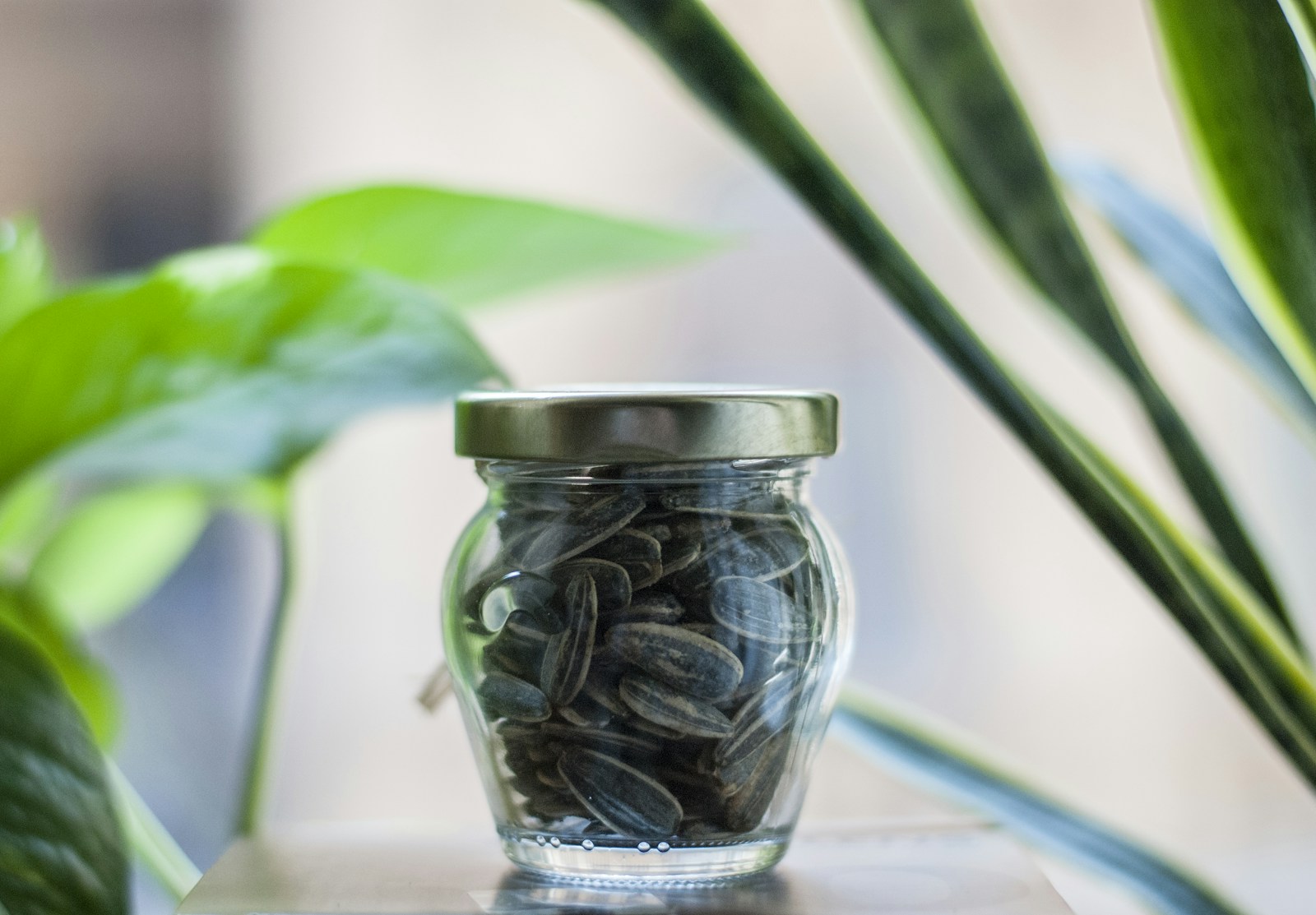
Here is the signature table, with retail prices verified from live grocery listings on November 11, 2026. It uses the same line-item structure as the homemade sauerkraut cost breakdown: retail, DIY, and the exception that complicates the headline.
| Path | Initial cost | Cost per 4 oz | Cost per lb | Notes |
|---|---|---|---|---|
| Retail clamshell (alfalfa/broccoli) | $0 | $2.99–$4.49 | $12–$18 | Verified grocery prices, Nov 2026 |
| DIY jar method (amortized kit) | $30–$50 | ~$0.50–$2.00 | ~$1–$4.50 | Seed cost only, after break-even; 8:1 weight yield per OSU |
| DIY mung (freshness play) | $30–$50 | Roughly break-even | — | Retail mung sprouts are already cheap — the win is one-day freshness |
The anchor for the DIY column is Oregon State Extension’s rule of thumb: one pound of seed yields about eight pounds of sprouts. At $15–$22 per pound of alfalfa seed, finished-sprout seed cost lands at roughly $1 to $4.50 per pound depending on variety and bag size — against $12 to $18 per pound retail. A pound of alfalfa seed produces the equivalent of roughly 30 retail clamshells.
Per jar, the math is even plainer. A quart jar of alfalfa takes about 30g of seed, call it $1.00 to $1.50 of seed, and yields four to five ounces, essentially one retail clamshell’s worth. Broccoli runs $0.65 to $1.60 of seed per 1–2 cup jar against a $2.99–$4.49 clamshell.
Break-even: at $2 to $3 saved per alfalfa or broccoli jar over retail, a $30–$50 kit pays for itself in 13 to 20 jars — about 7 to 10 weeks at two jars a week. From then on, two jars a week saves roughly $260 a year; four jars a week, roughly $520.
The caveat that keeps this table credible: mung is the exception. Retail mung bean sprouts are already the cheapest sprout in the produce section, sold in large bags at a small fraction of the per-pound price of alfalfa or broccoli clamshells. Growing mung at home does not beat the grocery store on money. It beats it on freshness — a sprout harvested this morning is crisper and sweeter than anything that rode a truck — and on the cooked dishes below, where home-grown mung has no equal.
Scaling to a household, assuming sprouts eaten four times a week at about one cup (30–50g) per person:
| Household | Cups/week | Jars/week (alfalfa-class) | Seed cost/week (est.) | Retail equivalent/week (est.) |
|---|---|---|---|---|
| 2 | 8 | 2 | ~$2–3 | ~$6.40–8.00 |
| 4 | 16 | 4 | ~$4–6 | ~$12.80–16.00 |
| 6 | 24 | 6 | ~$6–9 | ~$19.20–24.00 |
The household column that matters most is jars per week, because each jar is a daily-rhythm unit, not a purchase. Four jars a week means a rinse cycle morning and evening and one jar draining per day in rotation, which is very manageable. Six jars is where a tray sprouter starts earning its shelf space.
Storage, and What “Preserving” Sprouts Actually Means
Sprouts are a fresh vegetable with a short clock, and refrigeration is the whole preservation strategy. Rinse, drain thoroughly (surface moisture becomes condensation, and condensation rots sprouts from the outside in), then wrap loosely in a damp paper towel inside a sealed bag. Per the extension sources:
- Small-seeded sprouts (alfalfa, broccoli, radish): 4 to 10 days at 40°F or below, with Oregon State quoting up to 7–10 days and Virginia Cooperative Extension putting broccoli at 4–6 days. Plan on a week.
- Large-seeded sprouts (mung, lentil, soy): best within 3 to 4 days. They hold more moisture and fade faster.
Store in the coldest part of the fridge (back of a shelf, not the door) and do not re-wash until serving.
Beyond the fridge, the options are narrower than most food-preservation guides imply:
- Pickling is the one real tradition. Vietnamese đuá giá and Burmese-style pickled bean sprouts are vinegar-brine refrigerator pickles, good for weeks in the fridge but not months. If you have been following this site’s fermentation coverage, this is the crossover point: pickled sprouts pair naturally with the kimchi and sauerkraut already in the fridge door.
- Freezing works only for cooking sprouts. Blanch mung-type sprouts first and freeze for cooked dishes; the crisp texture collapses otherwise. There is no crisp-salad path through a freezer.
- Canning: no. The National Center for Home Food Preservation publishes no tested home-canning process for sprouts; its vegetable-canning index contains no sprout entries. A pressure-canned jar from an untested recipe is a botulism risk. This is a rare case where the answer is simply “do not.”
- Lacto-fermenting plain sprouts is not worth it — no extension or safety source documents sprout-only ferments, and the crisp, high-moisture texture degrades. The real fermentation connection is the reverse: add fresh sprouts to ferments at serving. Mung bean sprouts over kimchi-style dishes, namul, spring rolls. That is where this article hands off to the fermentation series, starting with the science of fermentation safety.
The Nutrition Picture
Sprouts are a legitimate fresh vegetable, and the differences between varieties are real. The USDA numbers in the table above are the story: lentil and soybean sprouts deliver two to four times the protein of the small-seeded varieties per 100 grams. If protein is the reason you are here, grow legumes. Alfalfa — the most common retail sprout — is a vitamin K and crunch play, not a protein play.
Two claims are solid enough to make flatly, because reviews support them:
- Sprouting reduces phytate, the compound that binds minerals and blunts their absorption. A 2023 review documents phytate degradation across sprouted cereals and pulses, with the size of the effect varying by species and conditions.
- Sprouts are low-calorie, high-micronutrient-density vegetables. The USDA table speaks for itself.
Beyond that, one claim deserves exactly one sidebar, stated carefully:
The broccoli-sprout question. Broccoli sprouts are the richest common food source of glucoraphanin, which the plant enzyme myrosinase converts to sulforaphane. Sulforaphane activates the Nrf2 pathway, and that mechanism is real and demonstrated in humans — biomarkers move in trials. But as the Johns Hopkins-linked review of the clinical-trial literature puts it, “extrapolation of biomarker change to extent of cancer risk reduction has not been realized.” No trial shows reduced cancer, diabetes, or neurodegenerative disease incidence from eating broccoli sprouts. One 2022 meta-analysis of ten clinical trials found blood-pressure reductions of about 11/7 mmHg — noteworthy, but the doses were supplement-style preparations, the trials were small, and one author discloses an affiliation with a broccoli-sprout supplement company. Eat broccoli sprouts because they are fresh, peppery, and cheap to grow. Treat the disease-prevention headlines as unresolved.
No detox framing, no miracle molecule, no “eat 100 grams a day to match the trials” dosing. This is the same evidence standard the site applied to kombucha’s health claims: cite the review, not the headline. The durable claim is the plain one: a fresh vegetable, grown on your counter in five days, with more protein in the legume varieties than most people expect.
Cooking Sprouts Is a Feature, Not a Compromise
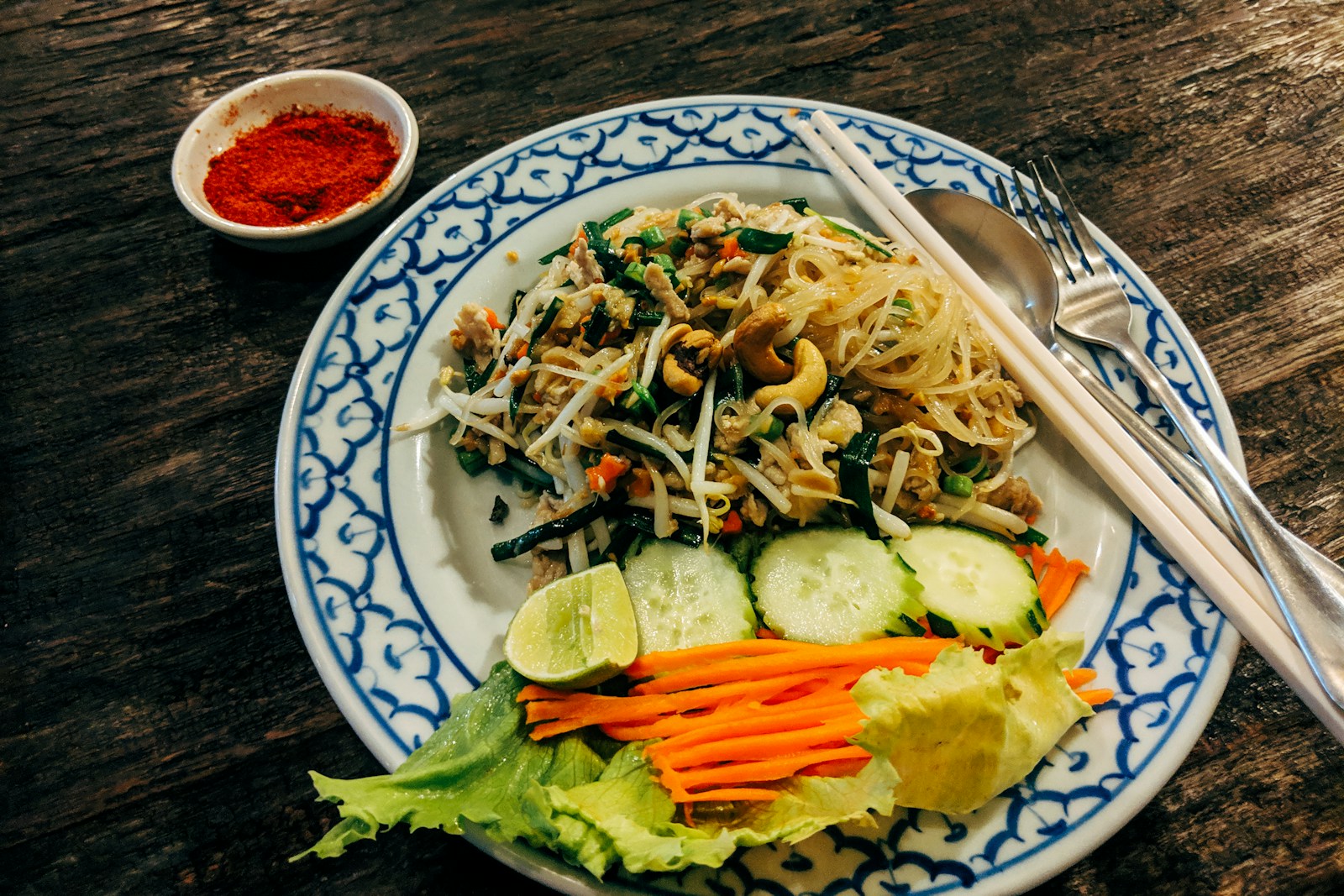
The CDC’s higher-risk list — children, older adults, pregnant people, the immunocompromised — reads like a restriction. Flip it and it becomes a flavor guide, because cooked sprout dishes are where the ingredient shines:
- Mung: pad thai, chop suey and every stir-fry, spring rolls, pho garnish, Korean sukju-namul (lightly cooked and seasoned). Cooking mung is the safety-smart prep, and it is also the best-tasting one.
- Lentil: simmered into dal and curries, folded into grain bowls warm.
- Broccoli and alfalfa: keep these raw, but only for eaters outside the higher-risk groups: sandwiches, wraps, avocado toast, green smoothies.
- Radish: anything that wants heat: tacos, egg salad, tuna melts, grilled fish.
Pairing quick-reference: alfalfa and clover go wherever a deli sandwich goes; mung goes wherever the wok goes; radish goes wherever wasabi would. A household that cooks for a pregnant family member or an elderly parent is not locked out of sprouting; it is steered toward the dishes that made sprouts famous in the first place.
Wrap-Up: The Five-Day Vegetable
A pound of seed becomes eight pounds of fresh vegetables, on a counter, in five days, for about a dollar a jar against three to four dollars at retail. The economics work because the safety basics are followed: food-grade seed from a supplier that certifies it, clean jars, thorough drainage, prompt refrigeration, and cooking for anyone in a higher-risk group. That is the whole contract.
Start this weekend: one jar of mung, one of alfalfa, rinsed morning and evening. By Thursday you are eating sprouts you grew, and by week ten the kit has paid for itself. When the jars are reliable, the tray sprouter and pea shoots are waiting, and so is the fermentation series, for everything that pairs with them at serving.
Related reading

Using Trees to Heal the Land: Tree-Crop Permaculture by Climate Zone
Agriculture drove 86% of deforestation. The fix is the mirror image: the right trees in the right place, by climate zone, with the numbers to …
The Windowsill Herb Garden That Actually Produces: Light, Soil, and the 5 Herbs Worth Growing
Most culinary herbs want eight hours of direct sun a day; a winter windowsill gives a fraction of that. Measure your light first, then pick …
A Two-Week Pantry Buffer for Normal Life: What to Stock, What to Rotate, and the Under-$100 Starter List
Build a two-week pantry buffer for under $100 per person: what to stock, the FIFO rotation habit that keeps it from becoming waste, and the …