NOAA’s updated winter outlook, issued November 19, calls a strong El Niño the dominant weather driver through March, with the odds shifted toward a wetter-than-normal winter across California, the Southwest, the Southeast, and up the East Coast. Grid operators are planning for record winter demand on thinner margins than they’ve run in years.
Here is a $30 tool that keeps your street talking through day three of the outage that forecast makes more likely.
The $30 Radio, Explained in Plain English
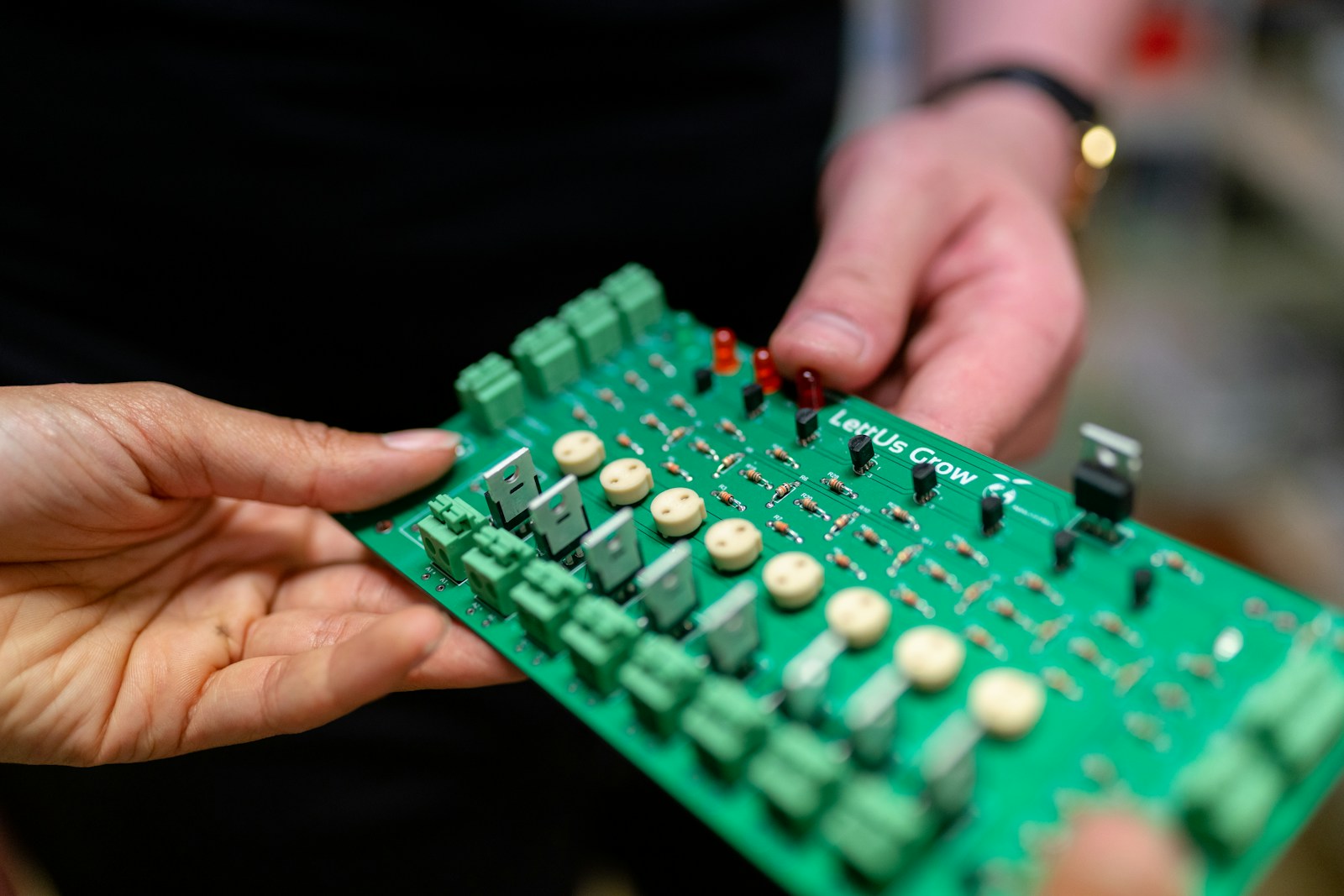
The device at the center of this guide is not a walkie-talkie, and it is not a phone. It is a bare circuit board about the size of a matchbox, called the Heltec WiFi LoRa 32, with a LoRa radio chip, a postage-stamp OLED screen, and a Bluetooth connection. Direct from the manufacturer it sells for $17.90 bare, $19.90 with a plastic case — I re-checked the price data the morning I wrote this.
LoRa stands for long range. It is a radio technique that trades speed for distance: a LoRa node sends tiny packets (a text message, a GPS pin) slowly enough that a receiver miles away can pull the signal out of background radio noise. You are not sending photos or voice. You are sending the two things that matter in an outage: where are you and what do you need.
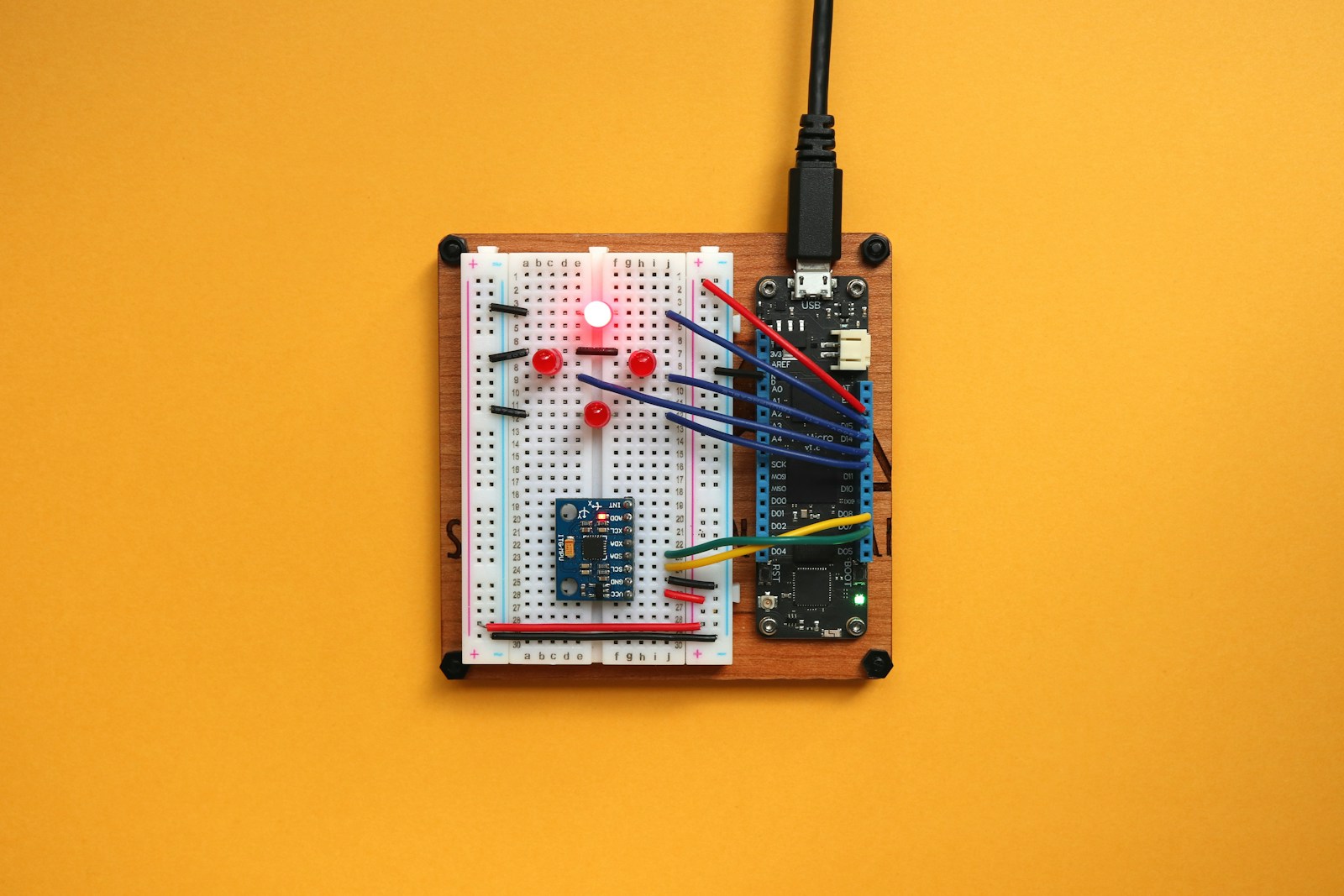
The board runs free, open-source firmware called Meshtastic. Your phone pairs with it over Bluetooth and becomes the keyboard and screen, through a free Android or iOS app. Messages hop from board to board across your neighborhood, a mesh network, with no cell towers, no internet connection, and no subscription. The spectrum it uses is the 902–928 MHz ISM band, a set of frequencies the FCC reserves for unlicensed devices (the same legal neighborhood as Wi-Fi and cordless phones).
Total cost for a first working node, including a battery: roughly $25 to $35.
The Range Numbers, Before You Buy Anything
Every gadget in this category has a marketing problem, and I want to fix it before you spend money. You will see “200-mile range” claims attached to Meshtastic gear. Those numbers come from official records, and they are real: a 205-mile ground contact between two mountains in Europe, using a 22-inch collinear antenna, and a 128-mile balloon-to-ground contact. Both are line-of-sight extremes: one antenna on a summit, another on a summit or in the sky.
Your street is not a summit. The realistic planning figure between two stock handheld boards is about 1 to 5 miles direct, and the decisive variable is antenna and elevation, not the brand of radio. In dense urban streets with buildings between the nodes, expect a few blocks to about a mile per hop. In a typical suburb with trees and houses, 1 to 3 miles. Five miles or more requires a clear line of sight or a node placed high: a roofline, an upper-floor window, a hill.
Here is the part the marketing misses: you are not buying a pair of walkie-talkies. Every board on your street retransmits messages for every other board. A row of five nodes spaced a few hundred feet apart creates block-to-block coverage even when no single hop reaches a mile. The relay effect is the product. One board is a curiosity; a street of them is a communications system.
Which Board Should You Buy
Prices below were verified against manufacturer stores on the day of writing. Third-party Amazon listings typically run a few dollars more.
| Board | Verified price | Why you’d pick it |
|---|---|---|
| Heltec WiFi LoRa 32 V3 | $17.90 ($19.90 with case) | The budget default. Cheapest way in, huge community. ESP32 chip drains faster, which is fine on house power or a power bank. |
| Heltec WiFi LoRa 32 V4 | $21.90–$29.50 by configuration | The current generation. Better radio front end, higher transmit power, smarter battery and solar management. Buy this one if the price gap is small. |
| Seeed Wio Tracker L1 | $30.90 | Low-power nRF52 chip, built-in GPS, bigger screen. The “storm kit” pick: sips battery for days. |
| LILYGO T-Echo | ~$45–$55 (estimate, US retailers) | The rugged enthusiast favorite: e-paper display, GPS, runs on a swappable 18650 cell. Price is a guide consensus, not machine-verified. |
| RAK WisBlock starter kit | ~$35 | Modular, nRF52-based, weeks-per-charge class battery life. Best if you enjoy tinkering. |
If you want one answer: the Heltec V4 is the sensible default in late 2026, and the Seeed Wio L1 is the better choice if battery life matters more than $10. Buy the 915 MHz (US) variant of whatever you choose.
Setup in an Evening
An evening, not a weekend. The whole path from sealed envelope to texting a neighbor:
- Flash the firmware. Open flasher.meshtastic.org in a browser, plug the board in with a USB data cable (a charge-only cable will silently fail), and click through. The site pushes the current Meshtastic build straight to the board.
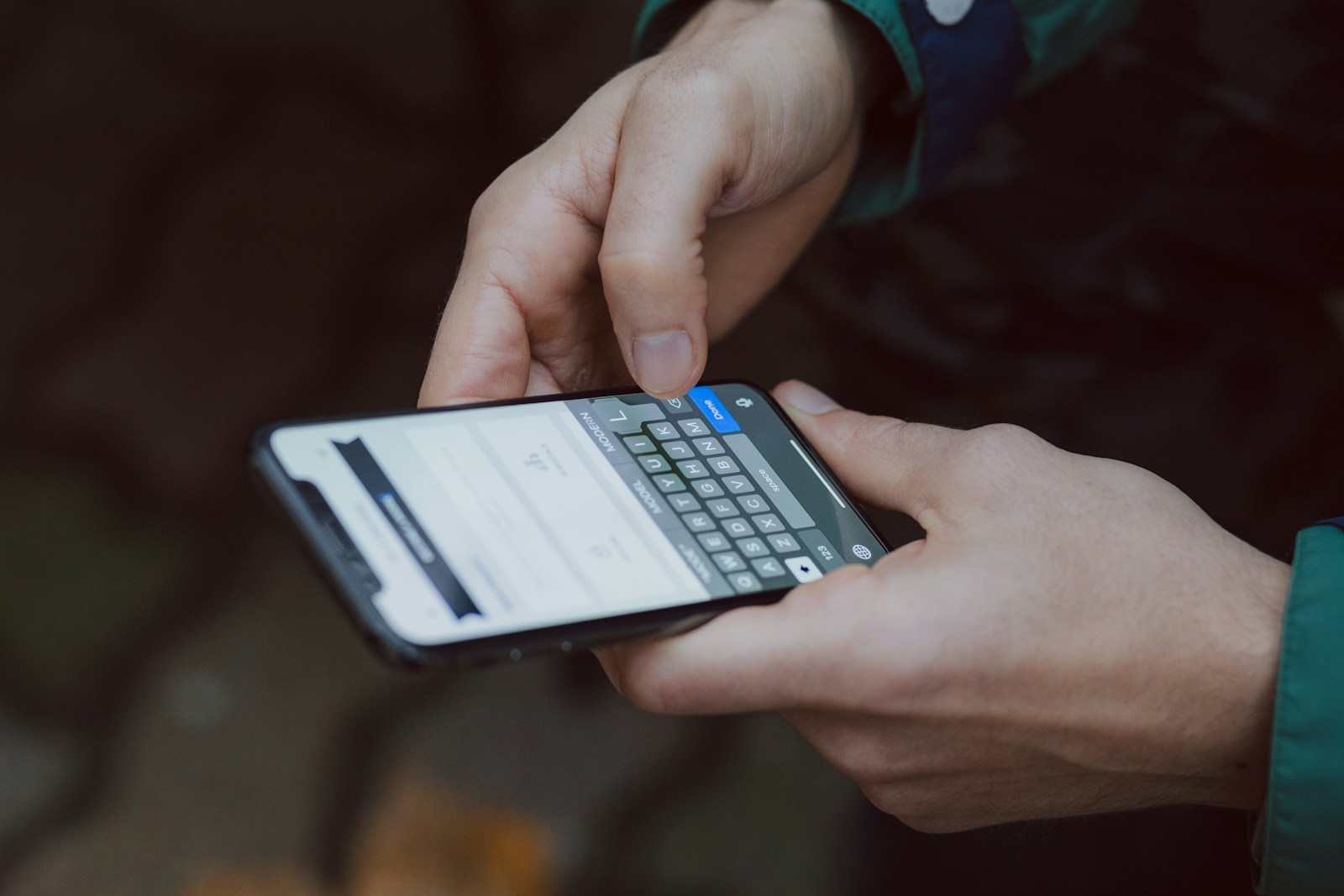
- Pair the app. Install the free Meshtastic app, pair over Bluetooth. The default PIN is 123456 — change it.
- Set your region to US_915 before transmitting. This matters. The board ships unconfigured; the region setting puts it on the correct US frequencies at compliant power.
- Create a private channel. The app generates an encryption key automatically. Your neighbors join by scanning a QR code from your screen. The default public channel is readable by any Meshtastic user in range, fine for saying hello to the wider mesh, wrong for household storm comms.
- Place one node high and leave it on. Set a fixed, always-powered node — the attic of the tallest house on the street — to the Router role so messages relay overnight while everyone’s phones sleep.
Keeping the Mesh Alive Through a Storm Week
The chip choice is your battery story. Meshtastic’s own hardware guidance is direct: nRF52-based boards (the Wio L1, T-Echo, RAK) use less power than ESP32 boards (the Heltecs) and are preferred for solar and handset use. ESP32 boards are cheaper and perform well on house power or a power bank.
The practical protocol, in order:
- When a storm enters the forecast window, charge everything: boards, power banks, phones.
- Keep one node, a cable, and a 10,000 mAh power bank in a labeled go kit. A bank that size runs a small board for many days of standby listening (order-of-magnitude math, not a lab figure).
- Put the always-on relay node at the highest house on the street. If someone on the block has a small 5-watt solar panel and a charge controller — the same panel economics behind plug-in balcony solar — a roofline relay can run indefinitely.
- Agree on a check-in cadence (hourly texts, quiet between) so batteries stretch across a multi-day outage.
The Legal Box, in One Paragraph
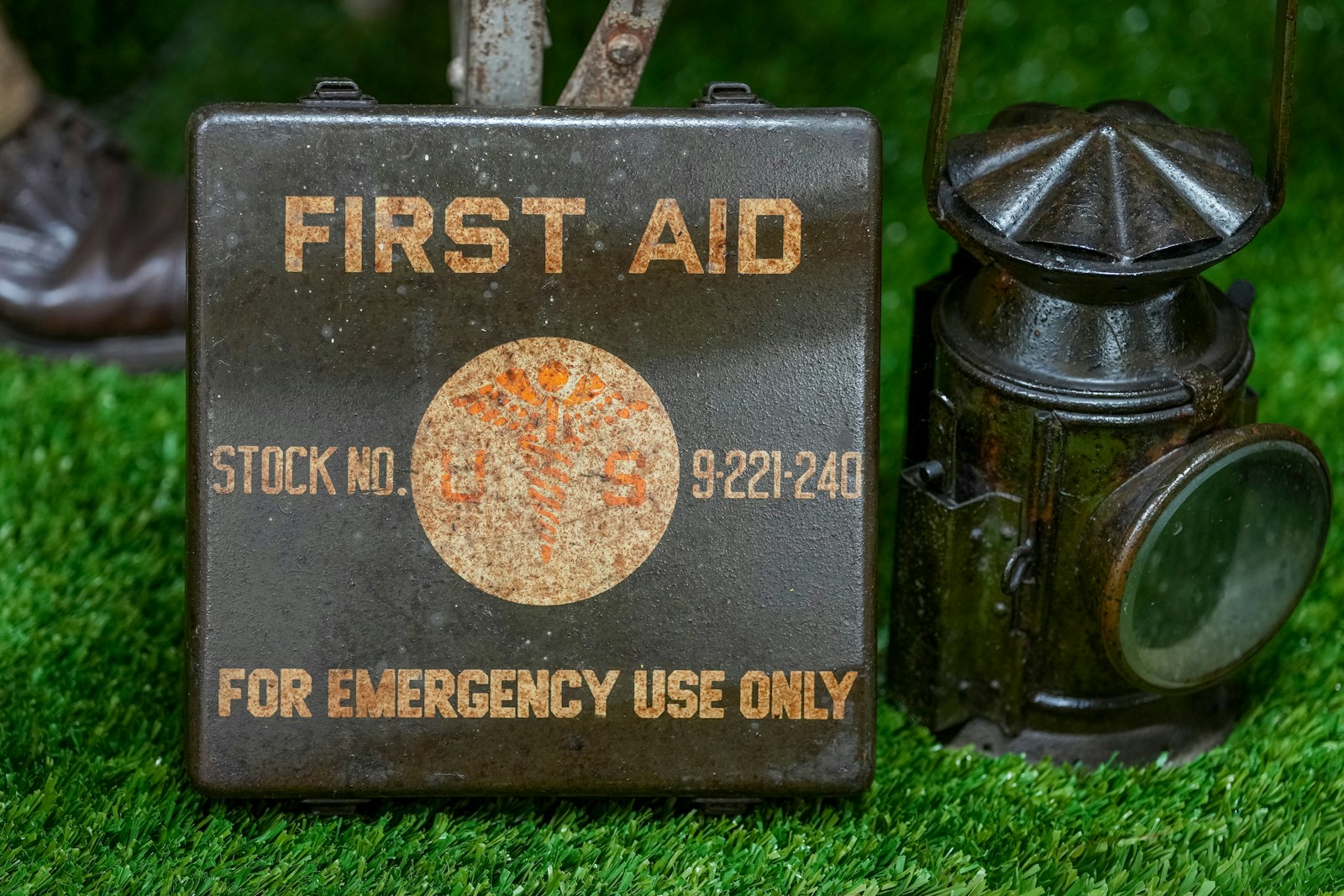
Stock Meshtastic boards operate unlicensed in the 902–928 MHz ISM band under FCC Part 15 rules (47 CFR § 15.247), which permit digital-modulation devices at up to 1 watt. No ham ticket, no license, no paperwork. Unlicensed does not mean unregulated: your board must not cause harmful interference and must accept interference from others, and attaching amplifiers or boosting power beyond Part 15 limits puts you outside the rules. The Meshtastic project itself is worth quoting here: its legal page notes these third-party boards are not manufactured by the project and have not been tested by UL or the FCC, so the project treats use as experimental. That honesty explains both the price and the fine print. Stay on stock ISM settings: moving to amateur radio bands would require a license and would prohibit the encryption that keeps your neighborhood channel private.
Getting the Neighbors On Board
This is the one paragraph where I will point you at earlier work instead of repeating it. The social half of this project — the conversation starter, the group purchase, the setup party, the monthly check-in habit — is a solved problem on this site: see our guide to building a local comms grid with your neighbors, and its close cousin on starting a skill-sharing group in your community for the trust-building mechanics underneath.
Think of that piece as the organizing playbook and this one as the buying guide. You need both, but you only need to read one tonight. If the scenario you’re planning for is a summer grid failure rather than an ice storm, the same neighbor-first logic runs in our piece on heat-wave blackouts and cooling centers.
Why This Matters
Let’s put the pegs back on the sources that issued them. NOAA’s winter outlook, updated November 19, puts a strong El Niño in charge through the January–March window, with above-normal precipitation odds raised since October along the East Coast and a greater than 70 percent chance of a wet winter across Florida, southern Georgia, and the coastal Carolinas. That is a storminess signal, not a promise of any specific storm.
Separately, PJM — the grid operator for 65 million people from New Jersey to Illinois — reported on November 5 that it expects adequate supplies for a possible record winter peak near 147,500 MW, while noting that reserve margins keep tightening and that it called on demand response 15 times last winter versus 8 times across the previous eight years combined. PJM’s own release forecasts a slightly warmer winter for much of its footprint; the stormier-southern-tier story belongs to NOAA, not the grid operator.
Outages are the overlap of those two facts. When one happens, the first thing that fails is not the lights — it is coordination. You can charge a phone from a car; you cannot summon a cell tower. For about $30 a household, a street can own the layer underneath: the ability to ask a neighbor if their heat is still on, to say the pharmacy on Route 9 still has power, to agree on the hourly check-in and turn a week of worry into a two-second text.
Resilience is infrastructure you can hold. This piece of it fits in a jacket pocket.
Related reading
Own Your Spotify: Self-Hosted Music Streaming with Kima
Spotify costs $12.99/mo and deleted 75M+ tracks in 2026. Kima adds Spotify-style discovery to music you own. Full stack, cost math, and who shouldn't switch.
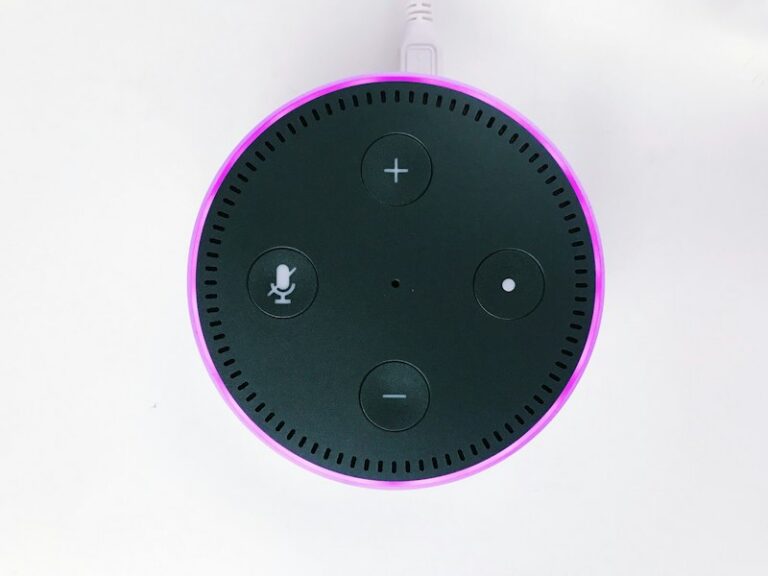
Your Old Echo Dot Can Ditch Alexa: Turn It Into a Private Voice Assistant
Old Echo Dot in a drawer? A one-command jailbreak turns it into a private Home Assistant voice speaker — no Alexa, no cloud. Models, risks, …

The Best Downloadable AI Models of 2026, Matched to the Machine You Already Own
Jensen Huang quit Nvidia and the Hugging Face deal wobbled. Your model picks are safe: the best open-weight AI for 8GB to 128GB machines, licenses …