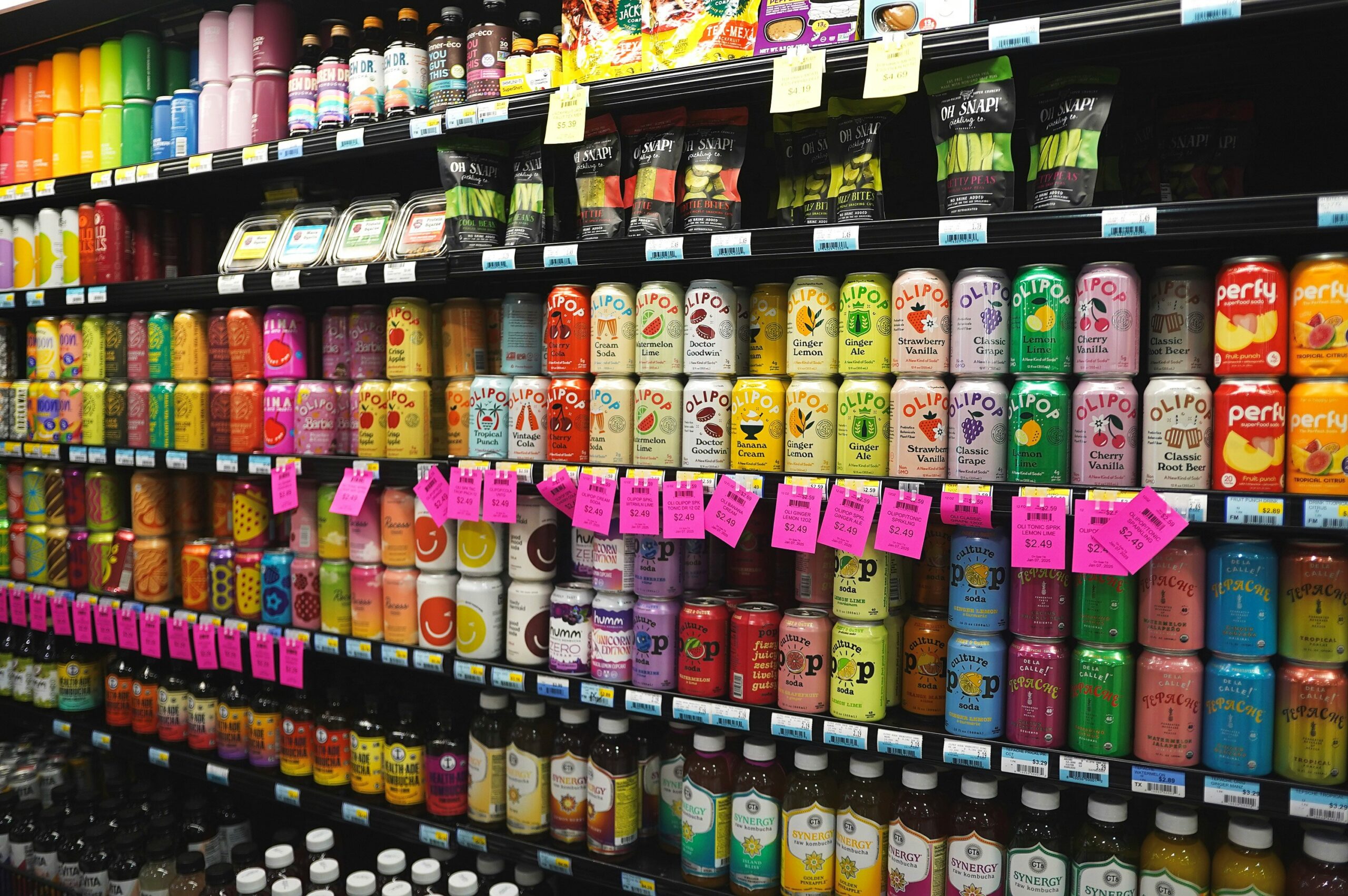
A bottle of GT’s kombucha costs $3.49 at Target and $4.99 on Instacart. The same 16 ounces, brewed in a jar on your kitchen counter, costs about fifteen cents. Here’s what that means for your weekly grocery bill — and what the health claims actually say when you read the studies instead of the label.
What Kombucha Actually Is
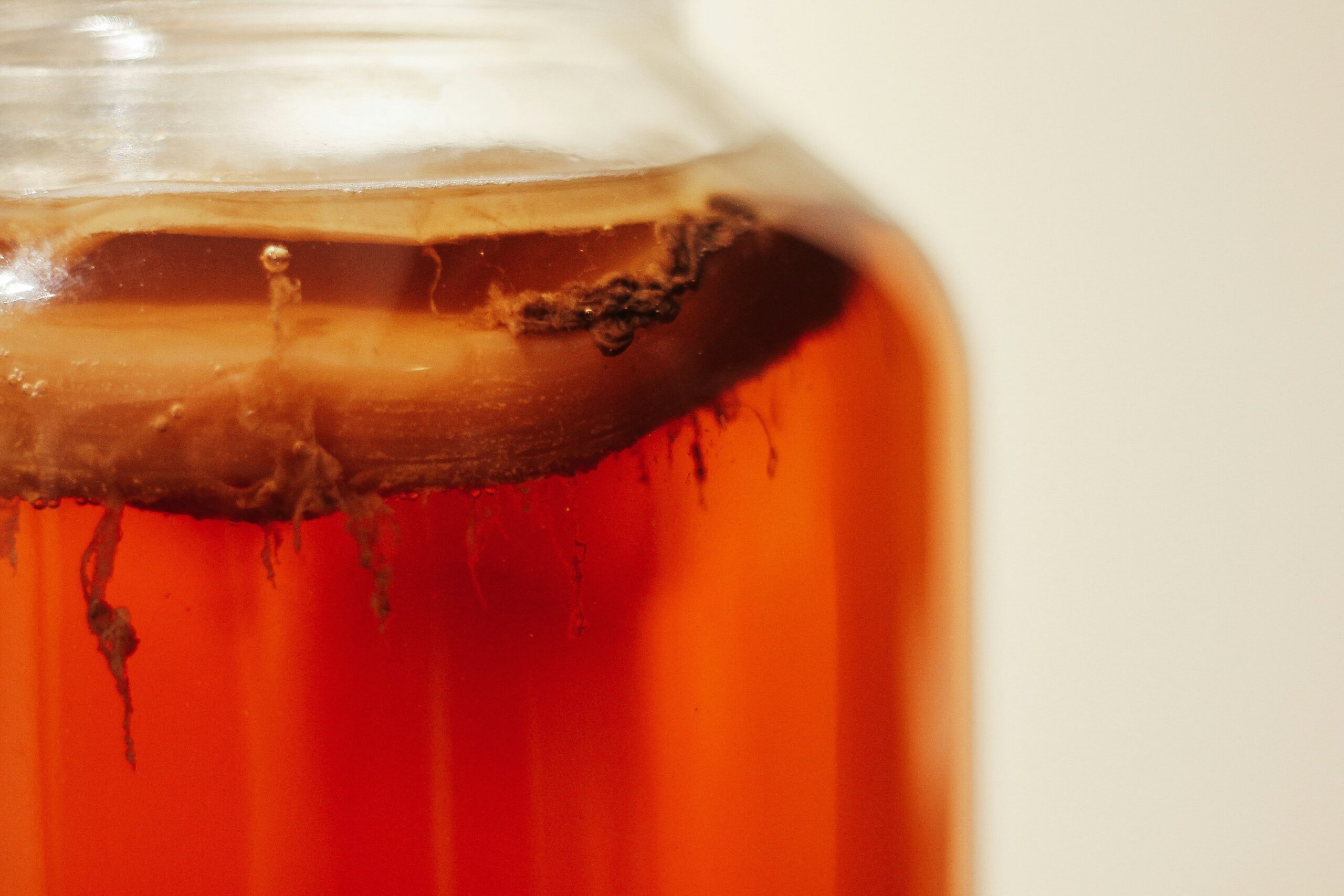
Kombucha is sweet tea that has been fermented by a SCOBY — a Symbiotic Culture of Bacteria and Yeast. The SCOBY looks like a rubbery pancake floating on top of the liquid, and it’s a living matrix of acetic acid bacteria, lactic acid bacteria, and yeast that converts sugar into organic acids, trace amounts of alcohol, and carbon dioxide. The result is a tart, lightly sweet, naturally carbonated drink that’s been made in some form for at least two thousand years.
The SCOBY is not the hard part to understand. The hard part is the cost gap — and whether the health claims survive a look at the actual research.
If you’ve read our sauerkraut cost breakdown, the pattern will be familiar. A jar of raw, live-culture sauerkraut costs $10 on a refrigerated shelf. A head of cabbage costs $3. The same arithmetic applies here, but the markup on kombucha is even steeper: the ingredient cost per batch is measured in pennies, and the retail price is measured in dollars.
The Cost Gap, Line by Line
A household drinking one 16-ounce bottle of kombucha per day is spending $1,274 to $1,824 a year at retail. Call it $3.50 to $5.00 per bottle — the same comparison that made the sauerkraut math land.
Retail kombucha (per 16 oz):
– GT’s Synergy Gingerade at Target: $3.49
– GT’s Original at Instacart: $4.99
– Health-Ade at FreshDirect: $4.49
– Erewhon (LA): $3.29 on sale, was $4.49
Call it $3.50 to $5.00 per bottle. One a day for a year: $1,274 to $1,824.
Homebrewed kombucha (per 16 oz, after initial equipment):
The initial investment is a one-gallon glass jar ($8–$15), a SCOBY with starter liquid ($15–$35 — Seattle Kombucha Company sells a complete kit at $34.99), tea bags ($5 for 100), a bag of sugar ($3), and a set of flip-top bottles for the second fermentation ($15–$25). Total to get started: $30 to $60.
After that, a one-gallon batch yields roughly 10 to 12 sixteen-ounce servings. The ingredients for each batch — tea, sugar, and whatever fruit or ginger you use for flavoring — cost about $1 to $2 total. That’s $0.10 to $0.20 per serving.
Over a year of daily drinking, the math looks like this:
| Path | Initial Cost | Per 16 oz | Per Year (1/day) |
|---|---|---|---|
| Retail (GT’s, Health-Ade) | $0 | $3.49–$4.99 | $1,274–$1,824 |
| Homebrew (first year, equipment amortized) | $30–$60 | ~$0.50 | ~$180–$245 |
| Homebrew (year 2+, ingredients only) | $0 | ~$0.10–$0.20 | ~$37–$73 |
The break-even point is 8 to 18 days. After that, every bottle you drink is money saved.
The SCOBY is self-renewing. Each batch grows a new layer — the “baby” — that you can use for the next batch, split off for a friend, or start a second jar. A healthy SCOBY lasts 10 or more brewing cycles. The only recurring costs are tea and sugar.
What You Need
The shopping list, complete:
– 1-gallon glass jar (no ceramic or glazed earthenware — the acidity leaches heavy metals; documented lead poisoning cases exist)
– SCOBY + 1–2 cups of starter liquid ($15–$35 one-time; or free from a friend who brews)
– Black or green tea bags (4–5 per gallon batch)
– White sugar (1 cup per gallon — this feeds the SCOBY, not you; most of it is consumed during fermentation)
– A breathable cloth cover and rubber band
– Flip-top bottles for the second fermentation (Grolsch-style, $15–$25 for a set of 4–6)
– Optional: a pH meter or strips ($8–$12)
Total to start: $30–$60. Ongoing: $5–$10 per month for tea and sugar.
The Brew: First Fermentation (F1)
This is the simple part. The entire process has fewer steps than making bread, and the active time is about 20 minutes.
1. Brew the sweet tea. Bring 4 cups of water to a boil. Remove from heat, add 4–5 tea bags (black or green; plain, not flavored), steep 10–15 minutes. Remove the tea, stir in 1 cup of sugar until dissolved, and add 8–12 cups of cool water to bring the total to about 1 gallon. Let it cool to room temperature. This is the one step you cannot rush: hot tea will kill the SCOBY.
2. Add the SCOBY and starter liquid. Pour the cooled sweet tea into your glass jar. Add the SCOBY and 1–2 cups of starter liquid (already-fermented kombucha from a previous batch, or what comes with your kit). The starter liquid acidifies the tea immediately, dropping the pH below 4.0 and creating an environment where mold can’t establish itself. This is the safety mechanism — don’t skip it.
3. Cover and wait. Cover the jar with the cloth and secure it with a rubber band. Put it somewhere warm (72–80°F / 22–27°C is the sweet spot) and out of direct sunlight. Don’t move it around — the new SCOBY layer forming on the surface is delicate. Wait 7 to 14 days.
4. Taste. Start tasting on day 7 by sliding a clean straw under the SCOBY. Early on, it tastes like sweet tea. As the days pass, it gets tart and slightly vinegary. When the sweet-tart balance tastes right to you, it’s done. Most people like it somewhere between day 7 and day 14.
5. Save the SCOBY. Remove the SCOBY with clean hands and set it aside in a bowl with 1–2 cups of your finished kombucha. This is the starter for your next batch. You can brew again immediately — this is how continuous brewing works, and it’s the efficient path if you’re drinking it daily.
The UC Master Food Preserver Program recommends fermenting at 64–79°F (18–26°C) for 7–14 days. Kombucha Kamp recommends 75–85°F (24–29°C) with 80°F as the sweet spot. If your kitchen runs cold, fermentation slows and mold risk rises. If it runs hot, the kombucha ferments too fast and gets vinegary. A warm corner out of direct light is all you need.
The Flavor: Second Fermentation (F2)
This is where the cost savings really compound — and where homebrewing stops being a budget exercise and starts being fun. A $4 bottle of GT’s Gingerade becomes $0.15 of tea, sugar, and a thumb of fresh ginger.
1. Remove the SCOBY and set it aside with starter liquid for your next batch.
2. Decant the kombucha into flip-top bottles, leaving about an inch of headspace.
3. Add flavorings. Fresh ginger, fruit juice (10–20% juice-to-kombucha ratio), berries, citrus peel, herbs — experiment. Ginger and lemon is the classic; blueberry-ginger and strawberry-basil are reliable crowd-pleasers.
4. Seal and carbonate. Leave the bottles at room temperature for 2–4 days. The residual yeast eats the sugars from your flavorings and produces CO2 trapped in the sealed bottle. Burp the bottles daily by briefly opening and closing them — sealed bottles build real pressure, and flip-top bottles are designed for it, but regular mason jars are not. Use the right bottles.
5. Refrigerate when the carbonation is where you want it. Cold stops fermentation.
The Safety Rules
Kombucha is one of the safer home ferments — the low pH that the SCOBY creates is the same mechanism that prevents pathogen growth in sauerkraut and other lacto-fermented foods. But the safety isn’t automatic. It depends on following four rules:
1. pH below 4.2. The starter liquid drops the pH to 2.5–3.5 from the start, and a healthy ferment stays there. The target is below 4.2 — the threshold below which Clostridium botulinum and other pathogens can’t grow. If you want to verify, pH strips cost $8 and take 10 seconds. If the pH hasn’t dropped below 4.2 within a few days, discard the batch and start over with fresh starter liquid. The BC Centre for Disease Control’s kombucha guideline recommends a finished pH between 2.5 and 4.2.
2. Mold means toss the batch. This is the same rule as in vegetable fermentation. Fuzzy mold — green, black, blue, or white with a raised texture — means the batch is contaminated and the SCOBY may be too. Discard the liquid, sanitize the jar, and start fresh. Kahm yeast, which appears as a white, wrinkly, non-fuzzy film on the surface, is harmless. Skim it and continue. The National Center for Home Food Preservation has a clear FAQ on the distinction.
3. No ceramic or glazed vessels. Kombucha is acidic (pH 2.5–3.5 when finished). That acidity can leach heavy metals from glazed ceramic containers. Multiple case reports of lead poisoning from kombucha brewed in ceramic vessels are documented in the literature. Use glass or food-grade stainless steel. This is not a theoretical risk.
4. Mind the alcohol. Homebrewed kombucha at a standard 7–10 day F1 runs about 0.016–0.018% ABV — well under the 0.5% threshold the TTB uses to classify alcohol beverages. The risk of higher alcohol comes from leaving sealed F2 bottles at warm temperatures for too long; the yeast keeps working and the ABV climbs. Keep F2 to 2–4 days, refrigerate when it’s carbonated, and you’ll stay well under any regulatory or practical limit. The Food Protection Trends study on homebrewed kombucha safety, published in March 2025, measured ethanol at 0.016% ABV at day 0 and 0.018% at day 14 — essentially negligible.
The University of Georgia’s Cooperative Extension recommends limiting consumption to 4 fluid ounces (about 120 ml) per day. That’s a reasonable guideline for unpasteurized, homebrewed kombucha. Excessive consumption — 32 ounces or more daily — has been linked in rare case reports to lactic acidosis, primarily in immunocompromised individuals. Pregnant or lactating individuals, and anyone advised to abstain from alcohol, should consult a healthcare provider before consuming kombucha, as it contains trace alcohol.
What the Health Research Actually Says
The wellness aisle talks about kombucha as a probiotic powerhouse. The research is more measured.
A 2025 systematic review in the journal Fermentation (Kapp & Sumner) examined eight clinical trials of kombucha consumption. The findings: kombucha was associated with improvements in gastrointestinal symptoms — specifically, reduced constipation and improved stool consistency — in two of the eight trials. Gut microbiota shifts were observed in some studies but inconsistent across the board. Glucose metabolism results were “inconsistent.” The review’s conclusion was clear: “the current clinical data remain inconclusive, highlighting the need for further well-designed randomized controlled trials with larger populations, standardized kombucha formulations, and longer follow-up periods.”
A 2024 RCT in Nature Scientific Reports (Ecklu-Mensah et al.) gave 24 participants a daily serving of kombucha for four weeks. They found “modest” impacts on gut microbiome composition — enrichment of Weizmannia coagulans, a kombucha-associated bacterium, and some short-chain fatty acid producing taxa — but no significant changes in biochemical parameters or inflammation markers. The authors attributed the limited findings to the small sample size and inter-individual variability.
A 2025 RCT (Costa et al., PMC) tested fiber-enriched kombucha in 59 participants over six weeks and found more promising signals: a significant reduction in triglycerides and an increase in Bifidobacterium abundance. But that was fiber-enriched kombucha, not standard homebrew — the fiber additive may be doing work the kombucha alone wouldn’t.
What homebrewed kombucha does reliably provide: a low-sugar, low-calorie beverage (about 30 calories and 2–3 grams of sugar per 8-ounce serving of unflavored kombucha) with organic acids (acetic, gluconic, glucuronic), B vitamins, and polyphenols from the tea. If consumed unpasteurized — which homebrew is by definition — it contains live cultures. Commercial kombucha is frequently pasteurized, which kills those cultures. The 2025 metabolomics study in PMC noted that “much kombucha sold in the global marketplace is produced using instant mixes, pasteurization, filtration, and top carbonation, creating a shelf-stable ambient product at significantly lower cost than fresh, refrigerated traditional kombucha” — and at significantly lower live-culture content.
What it does not reliably provide: a proven probiotic supplement. The clinical evidence for specific health outcomes is promising but preliminary. Treat the gut-health benefits as a plausible bonus of a drink you’re already making for the cost savings and the flavor, not as a medical intervention.
Continuous Brewing: The Efficient Path
Once you’ve done two or three batch brews, the natural next step is continuous brewing. Instead of starting from scratch each time, you leave the SCOBY in the vessel and decant 50% of the liquid, replacing it with fresh sweet tea. The new batch is ready in 5–7 days instead of 7–14. Less handling means less contamination risk. Less effort means you’re more likely to keep doing it.
This is where the cost math gets even better. The ongoing cost of continuous brewing — tea, sugar, occasional flavorings — is roughly $5–$10 per month for a household drinking a bottle a day. Compare that to the $120–$150 monthly retail habit.
What You’re Actually Trading
You are trading consistency and convenience for cost and control. The jar on your counter requires attention — tasting, timing, keeping the temperature in range, managing the SCOBY. GT’s does not require attention. GT’s is in the refrigerated case at Target, identical every time, and that reliability has a price.
What you get for the attention is a beverage that costs fifteen cents instead of four dollars, that you can flavor any way you want, that contains live cultures the commercial version may not have, and that connects you to a fermentation practice that’s older than refrigeration. The SCOBY renews itself, the jar is reusable indefinitely, and the skill — keeping a living culture alive and productive — transfers directly to the ginger bug and the kefir grains that round out this series.
A household drinking one bottle of kombucha a day is spending $1,200 to $1,800 a year on tea and sugar in a bottle. The same volume from a jar on your counter costs under $100 a year. The difference — more than $1,100 — is the kind of line item that shows up in a household budget and stays there.
The sauerkraut article made the same point, and it’s worth making again: the cheapest way to eat fermented, probiotic food in 2026 has nothing to do with a grocery cart. The expensive way is the default. A jar, a SCOBY, and twenty minutes of active time are the alternative.
Sources
1. GT’s Synergy Gingerade, Target.com — retail pricing ($3.49/16 fl oz): https://www.target.com/p/gt-39-s-synergy-gingerade-organic-vegan-raw-kombucha-16-fl-oz/-/A-15389441
2. GT’s Original Kombucha, Instacart — retail pricing ($4.99/16 fl oz): https://www.instacart.com/products/48512-gts-living-foods-kombucha-classic-original-16-fl-oz
3. GT’s Gingerade, FreshDirect — retail pricing ($4.69/16 fl oz): https://www.freshdirect.com/supergro/bev/sc/gro_bever_kombucha/p/dai_gts_kmbginger
4. Brewbuch — Homemade vs. store-bought cost analysis: https://brewbuch.com/price-of-kombucha/
5. Fermentaholics — Cost of kombucha: homemade vs. store-bought: https://fermentaholics.com/cost-of-kombucha-homemade-vs-store-bought/
6. Everything Kombucha — Pricing of store-bought and home-brewed kombucha: https://www.everythingkombucha.com/post/what-is-the-price-of-kombucha
7. You Brew Kombucha — Starter kit pricing ($40 build-your-own reference): https://www.youbrewkombucha.com/byo-starter-kit
8. Seattle Kombucha Company — SCOBY + starter liquid kit ($34.99): https://seattlekombucha.com/products/organic-kombucha-scoby-starter-home-brewing-kits
9. The Ferment Guide — Complete kombucha brewing guide (F1, F2, troubleshooting): https://thefermentguide.com/guides/kombucha-brewing-101
10. Kombucha Kamp — 1-gallon kombucha recipe and method: https://www.kombuchakamp.com/kombucha-recipe
11. UC Master Food Preserver Program — How to Make Kombucha (recipe, safety, continuous brewing): https://ucanr.edu/sites/default/files/2026-05/PF-Kombucha-ADA-2026Apr-v5.pdf
12. UC ANR Master Food Preserver — Kombucha (simplified recipe and process): https://ucanr.edu/sites/default/files/2025-07/MFP%20Kombucha.pdf
13. National Center for Home Food Preservation — Kombucha FAQ (safety, mold, alcohol, pH): https://nchfp.uga.edu/images/uploads/FAQs_Consumer_version_Kombucha.pdf
14. TTB (Alcohol and Tobacco Tax and Trade Bureau) — Kombucha regulations (0.5% ABV threshold): https://www.ttb.gov/regulated-commodities/beverage-alcohol/kombucha
15. BC Centre for Disease Control — Kombucha and Jun food safety guideline (pH 2.5–4.2, alcohol, mold): https://www.bccdc.ca/resource-gallery/Documents/Educational%20Materials/EH/FPS/Food/Fermented%20Foods%20Guideline%20-%203.11%20Kombucha%20and%20Jun.pdf
16. UGA Cooperative Extension — What’s the Word on Homemade Kombucha? (safety, equipment, 4 oz/day recommendation): https://fieldreport.caes.uga.edu/publications/C1312/whats-the-word-on-homemade-kombucha/
17. Food Protection Trends, March/April 2025 — Determining Critical Food Safety Factors for Safely Homebrewing Kombucha (ethanol 0.016–0.018% ABV; no confirmed US outbreak): https://www.foodprotection.org/members/fpt-archive-articles/2025-03-determining-critical-food-safety-factors-for-safely-homebrewing-kombucha-a-study-on-microbia/
18. Kapp & Sumner, 2025 — Benefits of Kombucha Consumption: A Systematic Review of Clinical Trials (8 RCTs, “promising but inconclusive”): https://doi.org/10.3390/fermentation11060353
19. Ecklu-Mensah et al., 2024 — Modulating the human gut microbiome through kombucha (RCT, Nature Scientific Reports, “modest” effects): https://doi.org/10.1038/s41598-024-80281-w
20. Costa et al., 2025 — Fiber-modified kombucha tea and gut microbiota (RCT, PMC, triglyceride reduction): https://pmc.ncbi.nlm.nih.gov/articles/PMC12271789/
21. PMC, 2025 — Daily Consumption of Kombucha Influences the Urinary and Plasma Metabolome (RCT, metabolomics): https://pmc.ncbi.nlm.nih.gov/articles/PMC12516354/