By Lee Gable
The median American homeowner paid $13,000 for a heat pump install in the most recent data, and the realistic spread runs from $8,000 to nearly $19,000 before any rebate. Here is what the real quoted ranges look like in 2026, how these machines perform when the temperature drops below zero, and the two-utility-bill test that tells you whether the payback math works where you live.
What 1,782 Real Install Quotes Say
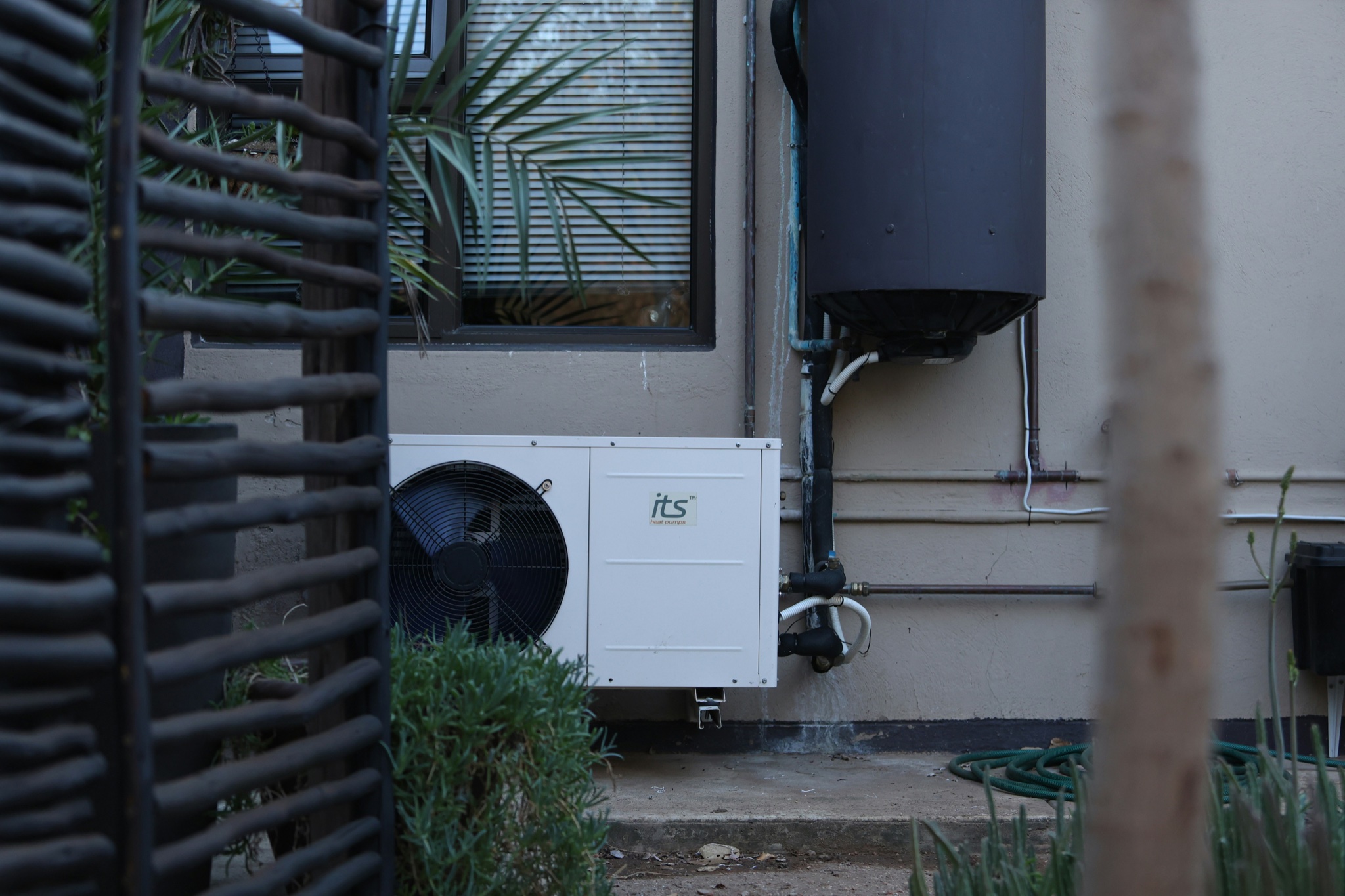
Heat pumps outsold gas furnaces in the United States for the fourth straight year in 2025: 3.64 million units shipped against roughly 3.2 million gas furnaces, per AHRI shipment data reported by ACHR News and RMI’s market tracker, even as heat pump shipments slipped about 11.6% from 2024; combined heat pump and air conditioner shipments fell roughly 20% over the same period. Whatever you think of the technology, it is now the default heating machine Americans now buy when their furnace dies, which makes the cost question worth answering with invoices rather than marketing pages.
Start with the largest crowdsourced dataset. WattFax has collected 1,782 homeowner-reported installs across all 50 states, updated March 2026. The national median installed cost is $13,000. The 25th percentile is $8,000; the 75th percentile is $18,885. The cheapest state median is Georgia at $7,500. The most expensive is Massachusetts at $23,500. The most-quoted brand in the dataset is Mitsubishi, at 230 installs with a $17,586 median.
Consumer Reports’ own consumer-collected data, aggregated by Geothermal Insider in July 2026, puts the ducted central air-source heat pump median at $12,200 across 1,393 zip codes and 760 counties in all 50 states.
EnergySage Marketplace quotes run higher: a $15,393 national average before incentives (updated March 2026), split by system type at $14,529 for ducted, $25,957 for whole-home ductless mini-split, and $14,353 for dual-fuel hybrid. After incentives, the Marketplace average drops to $14,153. State spreads run from about $8,000 in New Mexico to about $33,000 in New York.
Then there is the invoice study. The Midwest Collab (Slipstream, the Center for Energy and Environment, and partners) published a pricing study in April 2026 built from 271 real Midwest invoices dated 2022 through 2025. Air-source heat-pump-only installs averaged $9,800, with a $5,600 floor and a $16,500 ceiling. Heat pump plus dual-fuel furnace averaged $17,300. All-electric systems averaged $17,900, topped by a $30,000 outlier that included a 5-ton system and major ductwork.
Three datasets, three methods, one conclusion: the number a typical homeowner should anchor on is low five figures, and the swing factors are ducts, electrical panel, and climate.
The 2026 cost picture, line by line:
| Project type | Typical range | Median / average | Source |
|---|---|---|---|
| Like-for-like swap, working ducts, adequate electrical | $6,000–$8,000 | n/a | Homewyse, via Geothermal Insider |
| Single-zone ductless mini-split | n/a | $6,600 | Rewiring America, via Geothermal Insider |
| ASHP-only install, Midwest invoices, N=271 | $5,600–$16,500 | $9,800 avg | Midwest Collab pricing study |
| Ducted central ASHP, consumer-collected, national | n/a | $12,200 median | Consumer Reports, via Geothermal Insider |
| National median, all homeowner-reported installs, N=1,782 | $8,000 (25th) to $18,885 (75th) | $13,000 median | WattFax |
| EnergySage Marketplace quotes, before incentives | ~$8,000 (NM) to ~$33,000 (NY) | $15,393 avg | EnergySage |
| Whole-home project: new ductwork, panel upgrade, cold-climate unit | $17,000–$23,000 | $19,500 median | Rewiring America, via Geothermal Insider |
| Whole-home ductless mini-split | n/a | $25,957 avg | EnergySage |
Why the Cheap National Averages Lie

You will also see national averages near $6,087 (HomeAdvisor) or roughly $3,414 (Thumbtack), per Geothermal Insider’s aggregation. Those numbers describe replacement-only scenarios: an equipment swap in a home with working ducts, adequate electrical service, and no structural work. They are real jobs, but they are the floor of the market, not the middle of it. If your home needs any of the common adders (duct sealing or replacement, a panel upgrade from 100-amp service, line-set rerouting, or a cold-climate-rated machine for northern winters), the quote climbs toward the $17,000-to-$23,000 whole-home band.
The practical move: treat any quote below $8,000 as a like-for-like swap, and ask the contractor to list in writing what the price excludes. A cheap quote that grows a ductwork line item at the halfway mark is not a cheap quote.
Cold-Climate Performance: What the Field Data Shows

The oldest objection to heat pumps is that they quit in the cold. The field data from the last three winters says the objection is dated, with one caveat worth keeping.
The strongest evidence is the Department of Energy’s Cold Climate Heat Pump Challenge field validation, PNNL-37127, published January 2025 with field data from winter 2022 through fall 2024 (canonical OSTI record). Twenty-two prototype units from eight manufacturers, including Bosch, Carrier, Daikin, Lennox, and Trane, were monitored in occupied US and Canadian homes, every site with a Manual J load calculation. The results: median heating COP between 1.6 and 2.7 at outdoor temperatures below 30°F, and a median COP of 1.9 in the 0-to-5°F bin. Every prototype held 100% of its rated heating capacity at 5°F.
Context for those numbers: the Challenge specification demanded a COP of at least 2.1 at 5°F (2.4 for larger units), against the ENERGY STAR cold-climate threshold of 1.75. Even the floor spec beats electric resistance by roughly 75% at that temperature, because COP 1.75 means 1.75 units of heat per unit of electricity and resistance heat is stuck at 1.0.
Rosenow’s 2023 field-study synthesis, “Coming in from the cold,” broadens the picture beyond prototypes. Across field studies in the 5°C-to-−10°C band (41°F to 14°F), the mean COP was 2.74 and the median 2.62, with COP staying above 2 below freezing. Mitsubishi and Toshiba units tested in Finland held COP above 2 at −20°C (−4°F). At −30°C (−22°F), measured COPs ran 1.5 to 2 for the Mitsubishi and 1 to 1.5 for the Toshiba. An Alaska field test run with Oak Ridge National Laboratory recorded COP 2.0 at −25°C and 1.8 at −35°C (−31°F). Minnesota ducted field sites measured COP between 1 and 2 below −12°C (10°F).
A heat pump delivering COP 1.8 at −31°F is still nearly twice as efficient as resistance heat. The machines work in the cold. The caveat is not comfort; it is money, and we get to that in the payback section.
What COP Actually Means on Your Bill
COP, coefficient of performance, is the ratio of heat delivered to electricity consumed. COP 3 means three units of heat per one unit of electricity. And the seasonal average matters more than any single-temperature spec. A 2025 multi-climate study in Energy tracked air-water heat pumps across European climate zones and found seasonal COP in Polish and Lithuanian cold years fell by as much as 67% versus stable 3.5-to-4.1 readings in Spain, with the optimal equipment size differing by climate (13 kW in cold years, 8 kW in warm ones). Defrost cycles, auxiliary strip heat, and oversizing all eat real-world efficiency. Sizing to the cold year, from a Manual J calculation rather than a square-footage rule, is the lever that keeps COP up and backup heat off.
One more point on that, because it is the part a homeowner controls: the DOE field study ran Manual J load calculations on every site, and the 1.6-to-2.7 median band below 30°F is what good installs deliver. A bad install (oversized, short-cycling, leaking ducts) lands below that band, and your utility bill will show it.
The Payback Math, as a Decision Tree
There is no single payback number for a heat pump, and anyone who quotes you one without asking three questions is selling something. The questions: what are you replacing, what do your utilities charge, and what does the install really cost. Each answer opens a different branch.
Branch One: Your Furnace or AC Just Died
If the equipment is at end of life, the comparison is not heat pump versus nothing. It is heat pump versus the $6,000-to-$14,000 you were about to spend anyway on a new furnace, a new AC, or both. A heat pump replaces both machines in one box, which matters more than it used to: the $6,000-to-$8,000 central AC line item belongs on the heat-pump side of the ledger. If you were due for a new AC anyway, even the premium dual-fuel options (a $14,353 EnergySage average, or the Midwest invoice average of $17,300 for heat pump plus dual-fuel furnace) buy gas backup for the coldest weeks at a modest premium over a straight furnace-plus-AC replacement.
A worked retrofit example from Jouleio’s savings calculator, updated May 2026: a Nashville homeowner replaced a 20-year-old gas furnace and aging central AC in October 2025. The annual gas bill of $1,240 went to zero. Added electricity ran $680 per year. Net savings: $560 per year, before counting the eliminated $300-per-year AC repair budget. On an $8,500 install, simple payback lands just over ten years at Tennessee rates counting the eliminated AC-repair budget, and about fifteen on utility bills alone.
Run the same swap in Providence, Rhode Island against oil heat and the savings jump to roughly $2,100 per year, a payback of about four years. The fuel you are leaving is the single biggest variable in the whole calculation.
Branch Two: Your Current System Works Fine
Here the math gets thin, and it should be stated plainly. The Clean Energy Calculator’s 2026 comparison runs the counter-case: replacing a working $6,000 furnace with a $10,000 heat pump at COP 3 saves about $56 per year on heating. That is roughly a 72-year simple payback on the $4,000 premium. If your furnace is young and your AC is young, heating-bill deltas alone do not justify the swap. Full stop.
Three things reopen this branch: a working furnace paired with a dying AC (you were spending the money anyway), expensive delivered fuels like oil or propane, or unusually cheap electricity. NuWatt’s February 2026 nine-state comparison puts annual running costs at $800 to $1,400 for heat pumps versus $1,200 to $2,200 for gas furnaces, but only in states where the price ratio favors electricity.
And if you rent, or the five-figure quote is simply out of reach this year, the renter-scale version of this decision exists too: plug-in balcony solar cuts the same electricity bill from the generation side for a three-figure outlay. Different machine, same math discipline.
The Price-Ratio Test You Can Run Yourself
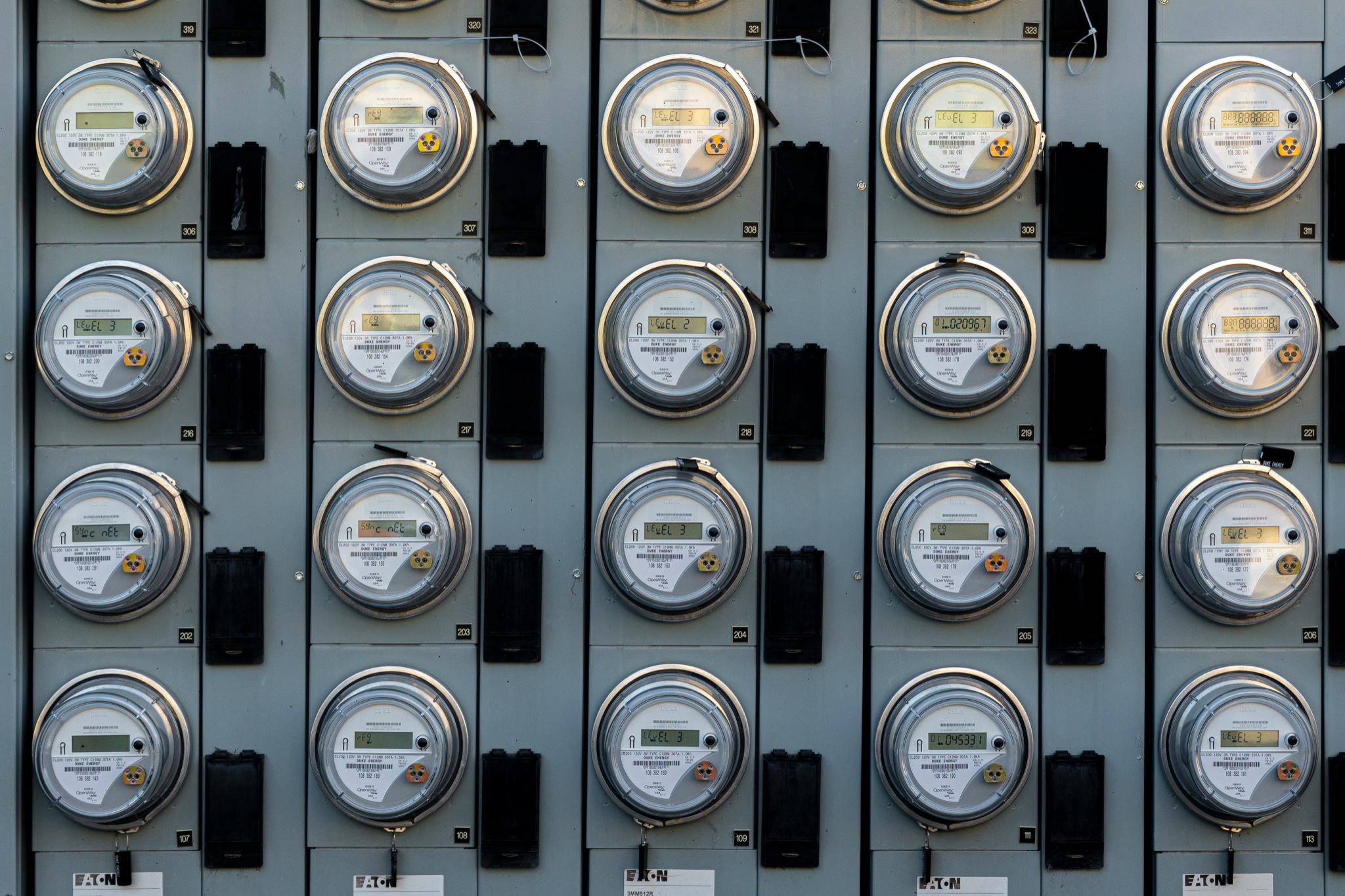
The most useful calculation in this article takes two numbers off your own utility bills: your electricity price per kilowatt-hour and your gas price per therm or per Mcf. Divide one by the other. Per AC Direct’s 2026 comparison, below roughly 3.5 to 1, a heat pump at seasonal COP near 3 almost always wins on operating cost. Above 5 to 1, a gas furnace can win in the coldest months, when the heat pump’s COP sags and auxiliary heat engages. Between those thresholds, climate decides: moderate winters favor the heat pump; deep cold with cheap gas favors the furnace or a dual-fuel setup.
Strictly, the threshold is just the ratio of the two machines’ efficiencies, so treat 3.5 as a screening tool, not a verdict.
The reason the ratio bites in 2026 is that winter gas is cheap exactly when heat pumps work hardest. EIA residential natural gas averaged $15.34 per Mcf across 2025, and the 2026 monthly series runs from $13.96 in January to $26.45 in July. At the national average residential electricity price of about $0.16 per kWh, a COP-3.0 heat pump is at parity or slightly worse against a 96% efficient gas furnace. Below about $0.12 per kWh, the heat pump wins per therm, per Home Energy Basics’ furnace comparison.
Two bills. One division. It will not model your house, but it will tell you which branch of this decision tree you live on.
What’s Left After the 2026 Policy Change
Here is the policy change, stated plainly: the 30% federal Section 25C tax credit is gone for 2026 installs. The One Big Beautiful Bill Act (Public Law 119-21, signed July 4, 2025) terminated the credit for any property placed in service after December 31, 2025. The IRS published FAQs confirming the termination; Section 25D, residential solar and geothermal, ended the same date. If you installed in 2025, you can still claim the credit on your 2025 return using Form 5695.
What remains is the Home Electrification and Appliance Rebates program, called HEAR (the renamed HEEHRA): up to $8,000 at point of sale for households at or below 80% of area median income, and around $7,000 for households between 80% and 150% of AMI, per EnergySage’s program summary, with program mechanics summarized by HVAC Base. Three cautions. First, HEAR is administered state by state, and rollout speed varies wildly. Second, some states are already exhausting their allocations. Third, many programs require pre-approval before installation; buying first and applying later can zero the rebate. Utility rebates of $300 to $2,000 remain common, and cold-climate-specific programs can run higher.
The planning frame that survives all three cautions: quote the install as if no federal money exists, then treat any HEAR or utility rebate as a discount that shortens the payback, not as a premise that justifies the project. “Up to $8,000 where available” is the accurate phrasing. A guaranteed $8,000 is not.
What to Do This Week
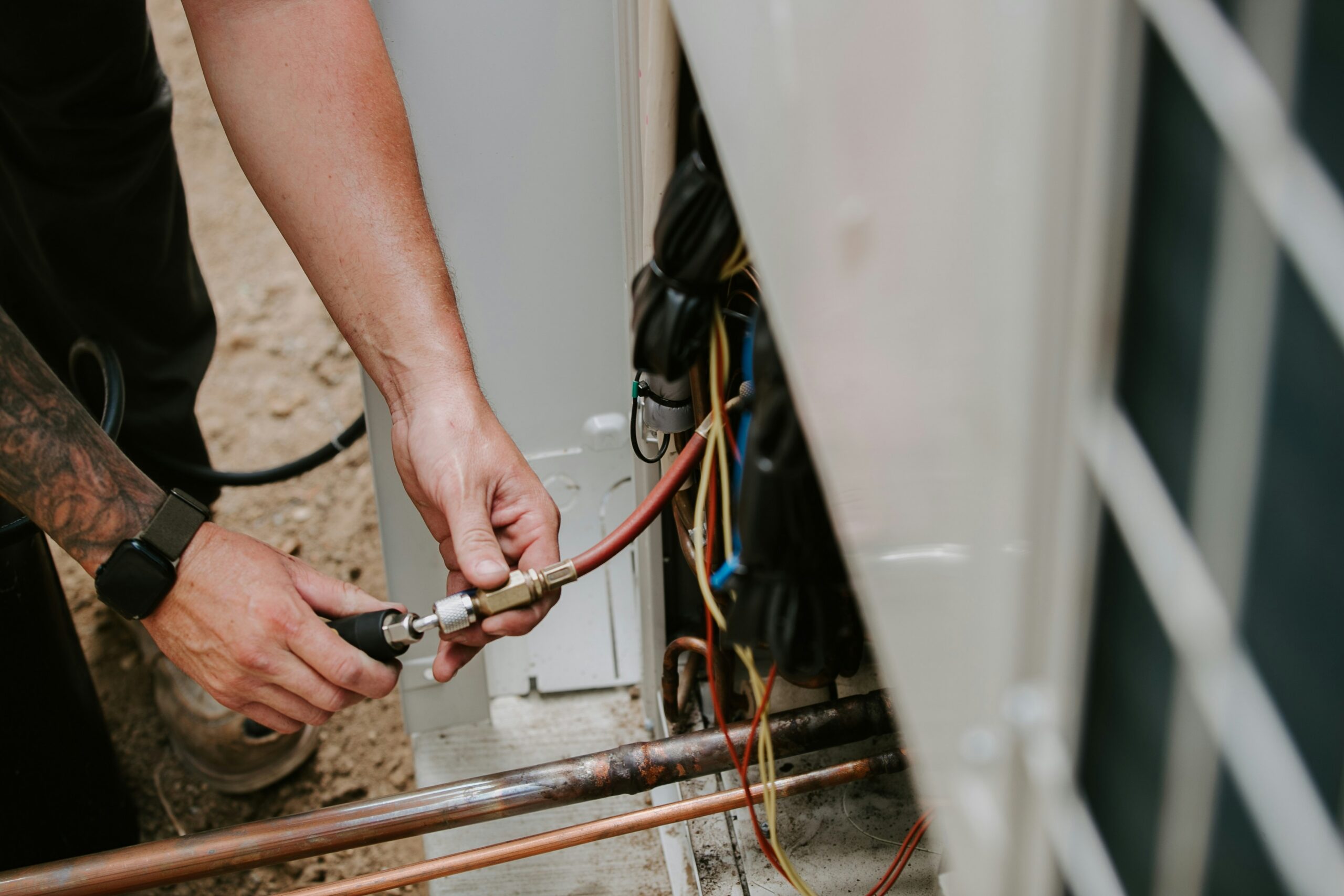
If a heat pump is on your horizon (your furnace is aging, your AC is aging, or a quote is already sitting on the kitchen table), the homework this week is cheap and involves no contractor:
- Pull two utility bills and run the ratio. Electricity cents per kWh divided by gas dollars per therm. Below 3.5, you are likely on the heat-pump-favorable branch; above 5, model carefully before signing anything. Fifteen minutes.
- Get three quotes, and make one of them a dual-fuel bid. The spread between contractors on identical jobs routinely runs several thousand dollars. Ask each bidder for a Manual J load calculation in writing; the DOE field study ran one on every site, and right-sizing is what keeps your COP out of the gutter. A contractor who sizes by square footage alone is guessing with your money.
- Check your state’s HEAR status before signing. The DSIRE database and your state energy office list live programs, income thresholds, and pre-approval rules. Ask the contractor which rebates they have processed this year, not which ones exist on paper.
- Put a smart thermostat behind the new system, and put it on local infrastructure. A thermostat that keeps the heat pump in its efficient band (avoiding short cycles and strip-heat callouts) is worth more than a brand-name compressor, and a local-first smart-home setup keeps that control working when the cloud does not.
- Time the project to end-of-life, not to headlines. If both your furnace and AC work, the strongest financial move is usually maintenance and patience. If one dies, compare the heat pump against the replacement you would buy anyway. That is where the math most often wins. For the broader ranking of which home energy projects pay back fastest, our energy-bill projects breakdown is the companion read.
Why This Matters
Heat pumps are now the majority technology in new American heating installs, and the federal subsidy era that padded their economics is over. What remains is a straightforward piece of household engineering with a price tag that rewards homework: five-figure installs that can pay back in about four years against oil heat, or never pay back against a young gas furnace, depending on variables you can read off two utility bills.
The resilience angle is the quieter one. A heat pump is one machine doing the work of two, at two to three times the efficiency of the combustion alternatives, on an energy source with more delivery paths to your house than a gas line. In a heat wave it is also the most efficient air conditioner you can buy, and cooling is no longer a comfort question in most of the country; it is worth planning for before the grid is stressed.
The 2026 answer to “should I get a heat pump” is not yes or no. It is: run the ratio, size the job, and let the replacement clock, not the rebate calendar, decide the timing.
Sources
- WattFax Real Heat Pump Installation Costs (1,782 homeowner-reported installs, updated March 2026): https://wattfax.com/data/heat-pump-costs
- EnergySage: How Much Does a Heat Pump Cost in 2026 (Marketplace quotes, HEAR rebate summary): https://www.energysage.com/heat-pumps/costs-and-benefits-air-source-heat-pumps/
- Geothermal Insider cost aggregation (Consumer Reports $12,200 median, Homewyse swap range, Rewiring America modeled ranges, HomeAdvisor/Thumbtack): https://geothermalinsider.com/heat-pumps/heat-pump-installation-cost/
- Midwest Collab Heat Pump Pricing Study, April 2026 (PDF, N=271 invoices): https://mwcollab.org/sites/mwcollab/files/2026-04/Heat%20Pump%20Pricing%20Study.pdf
- PNNL-37127, DOE Cold Climate Heat Pump Challenge Field Validation (PDF, field data 2022–2024): https://www.pnnl.gov/main/publications/external/technical_reports/PNNL-37127.pdf
- Rosenow, “Coming in from the cold: Heat pump efficiency at low temperatures” (2023 field-study synthesis, PDF): https://www.janrosenow.com/uploads/4/7/1/2/4712328/coming_in_from_the_cold_final.pdf
- Masiukiewicz et al., “Performance variability of air-water heat pumps in cold and warm years across European climate zones,” Energy 324, 2025: https://www.sciencedirect.com/science/article/abs/pii/S0360544225016433
- IRS FAQs on OBBB modification of Sections 25C/25D (P.L. 119-21, signed July 4, 2025): https://www.irs.gov/newsroom/faqs-for-modification-of-sections-25c-25d-25e-30c-30d-45l-45w-and-179d-under-public-law-119-21-139-stat-72-july-4-2025-commonly-known-as-the-one-big-beautiful-bill-obbb
- HVAC Base: Heat Pump Tax Credits & Rebates 2026 (HEAR mechanics summary): https://www.hvacbase.org/heat-pump-tax-credits-2026
- RMI: Tracking the Heat Pump & Water Heater Market in the United States: https://rmi.org/resources/tracking-the-heat-pump-water-heater-market-in-the-united-states/
- ACHR News: Heat Pump, A/C Shipments See 20% Declines in 2025 (AHRI data): https://www.achrnews.com/articles/165859-heat-pump-a-c-shipments-see-20-declines-in-2025
- AC Direct: Heat Pump vs. Gas Furnace in 2026 (price-ratio rule): https://www.acdirect.com/blog/heat-pump-vs-gas-furnace-2026-cost-comparison/
- Clean Energy Calculator: Heat Pump vs Gas Furnace 2026 (working-furnace counter-case): https://cleanenergycalc.com/blog/heat-pump-vs-furnace-2026
- EIA US residential natural gas price series: https://www.eia.gov/dnav/ng/hist/n3035us3m.htm
- Jouleio: Heat Pump Savings Calculator (Nashville/Providence worked examples, updated May 2026): https://jouleio.com/blog/heat-pump-savings-calculator/
- NuWatt: Heat Pump Running Cost vs Gas Furnace, 9-state comparison, February 2026: https://nuwattenergy.com/en/heat-pump-running-cost-vs-gas-2026
- Home Energy Basics: heat pump vs furnace per-therm math: https://homeenergybasics.com/heat-pumps/vs-furnace
Related reading
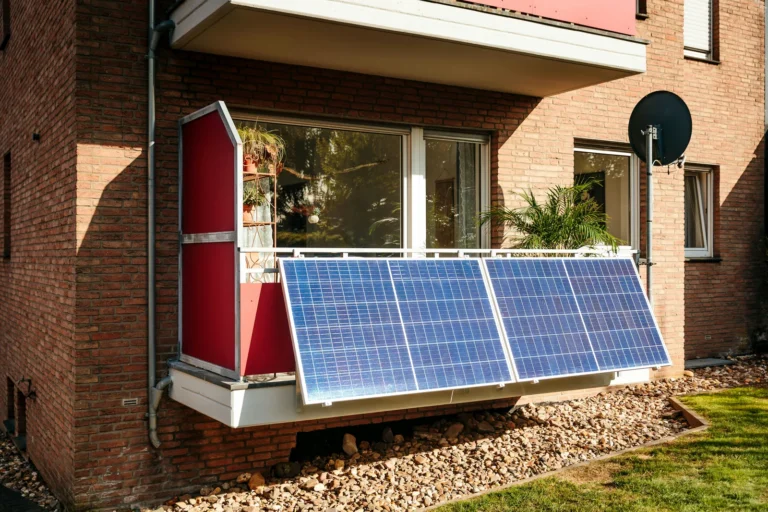
More Than 30 States Took Up Balcony Solar This Year. Here’s What 1,200 Watts Actually Powers.
Over 30 states considered balcony solar bills this year, carving out an appliance loophole for renters. Here is what 1,200 watts actually powers, real kit …

Why Middle East Tensions Drive Up Your Energy Bills (And 5 Projects to Cut Costs)
Your March 2026 utility bill might feel 20–30% higher than last year—and it's not your thermostat. The answer is 4,000 miles away, in a narrow …

The Resilient Kitchen: 5 Smart Upgrades to Beat Supply Chain Instability
Introduction Remember the great egg price shock of ’23? Or the more recent California lettuce recall that saw prices for a single head of romaine …