
Your March 2026 utility bill might feel 20–30% higher than last year—and it’s not your thermostat.
The answer is 4,000 miles away, in a narrow waterway between Iran and Oman called the Strait of Hormuz.
Over the past three weeks, geopolitical tensions have sent oil prices soaring to their highest levels in four years. Brent crude jumped from $60 per barrel in January to a peak of $120 in March—a 100% increase in just three months. That oil powers the ships that deliver your heating fuel, the refineries that process gasoline, and the power plants that generate electricity.
What happens in the Middle East doesn’t stay in the Middle East. It shows up on your energy bill.
Here’s the good news: You don’t have to be a passive victim of global supply shocks. There are concrete, measurable steps you can take right now to offset rising energy costs—and many of them will save you money for years, regardless of what oil prices do.
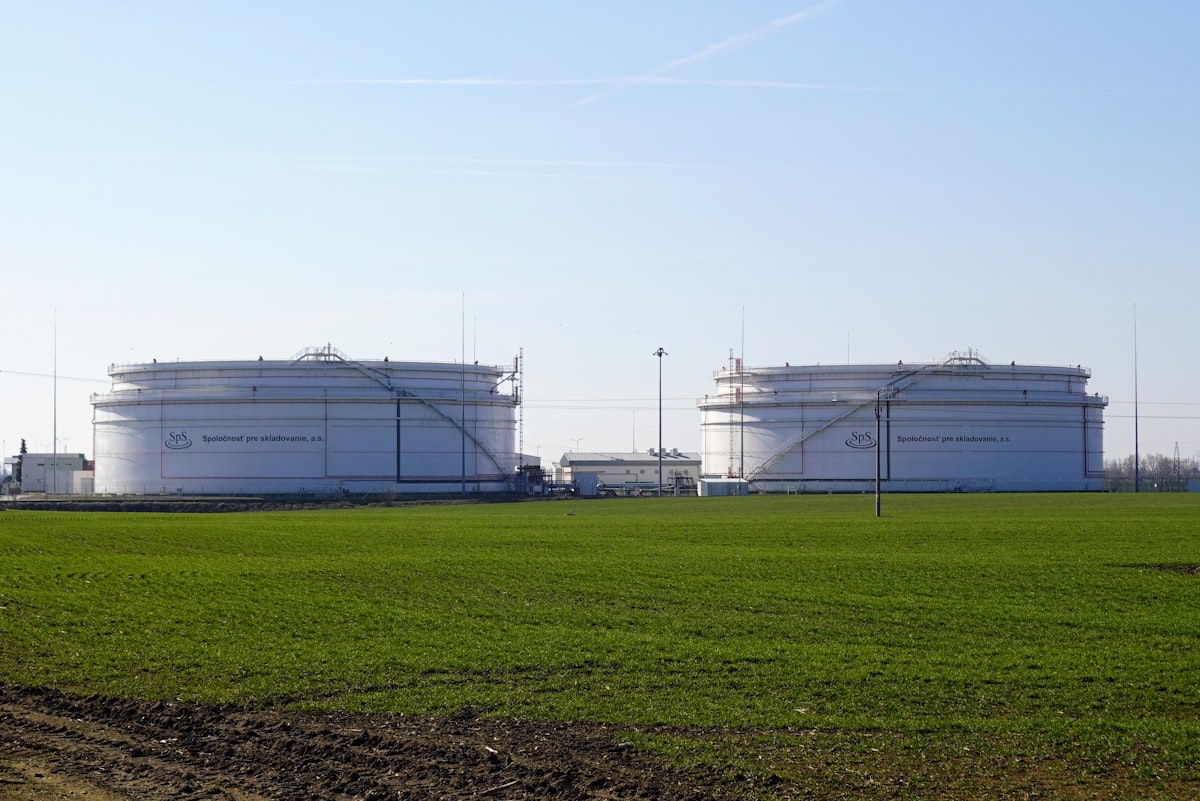
Global energy supply depends on shipping lanes like the Strait of Hormuz. Photo by B-joy Abraham on Unsplash.
How Geopolitics Became Your Energy Crisis
The Strait of Hormuz is perhaps the world’s most critical chokepoint. Approximately 20 million barrels per day flow through it—roughly 20% of all global oil. Add in one-fifth of global natural gas shipments, and you’re looking at a waterway that literally powers the global economy.
When regional conflict erupts, shipping halts. Tankers reroute or sit in port. Traders panic-buy. Prices spike.
Here’s the timeline of what just happened:
- March 2–3: US and allied strikes on Iranian military facilities trigger immediate market reaction. Brent crude spikes from $69 to $79 per barrel in a single week.
- March 9: Tensions escalate. Brent hits $120/barrel—the highest point since 2022. The International Energy Agency releases the largest strategic oil reserve drawdown in history (400 million barrels) to stabilize markets.
- March 12: Iran’s new leadership calls for the Strait to “remain closed.” Brent surges past $100 again.
- March 19 (today): Brent holds steady at $97–100/barrel, but tanker traffic remains severely disrupted.
This isn’t abstract geopolitics. For every $10 increase in the price of crude oil, household heating and cooling costs rise $50–150 annually, depending on your region and fuel type.
If you heat with natural gas or oil, that’s real money. For a household consuming 1,000 gallons of heating oil equivalent per month, a sustained $20/barrel increase translates to $600–$1,200 in additional annual costs.
Why This Hits Now (And What It Means for Your Budget)
Oil prices aren’t the only thing climbing. Central banks are holding interest rates steady—instead of cutting them—to manage inflation expectations. That means your mortgage rate, auto loan, and credit card APR stay higher for longer.
The squeeze is real: higher energy costs + higher borrowing costs = tighter household budgets.
In the worst-case scenario—if the Strait closes for 6+ weeks and oil hits $150/barrel—US heating costs could spike 30–40% by the end of 2026. That’s an additional $600–$1,200 per year for families relying on natural gas or heating oil.
Even in a moderate scenario—oil stabilizing at $100–110/barrel for the next 18 months—you’re looking at sustained pressure on energy costs. Energy price stability is unlikely before 2027.
Here’s what separates people who absorb these costs from people who thrive through them: You can’t control geopolitics or oil prices. You can absolutely control how much energy your grid-down heat wave preparedness consumes.
The Five Projects: From Quick Wins to Long-Term Wins
These five projects range from weekend DIY ($50–500) to contractor-assisted ($1,500–$8,000). All have positive ROI. Most pay for themselves within 5–15 years. Several deliver payback in 2–4 years—meaning if oil prices stay elevated, you break even fast.
I’ve ranked them by speed-to-payback because in uncertain times, quick wins matter—psychologically and financially.
Project 1: Air Sealing (Weatherstripping, Caulk, Door Seals)—The Quick Win
Cost: $200–800
Annual savings: $75–150 (5–10% reduction in heating/cooling)
Payback period: 2–5 years
Difficulty: Easy (weekend DIY)
Air leaks around windows, doors, ducts, and foundation seams account for 25–40% of residential heat loss. Sealing them is one of the highest-ROI projects you can do.
Weatherstripping each window costs $10–20. A two-story house with 15–20 windows means $150–400 total. Installation takes 2–3 hours per window. You can do this yourself with a heat gun, adhesive weatherstripping, and a caulk gun.
household resilience upgrades/seal_insulate/methodology”>The EPA confirms that air sealing can reduce heat loss by 25%, which translates directly to lower bills.
Real-world math: If your annual heating/cooling bill is $1,500, a 5–10% reduction saves $75–150 per year. Your $300 investment pays for itself in 2–4 years.

Air sealing is the fastest path to lower energy bills. Start with the windows and doors you can feel drafts around—those are your biggest leaks. A tube of caulk costs $5. Adhesive weatherstripping runs $10–20 per window. The tools are simple: a caulk gun and a utility knife.
Don’t forget the less obvious spots: electrical outlets on exterior walls, recessed lights, and the gap where your foundation meets the framing (the rim joist). These hidden leaks add up fast.
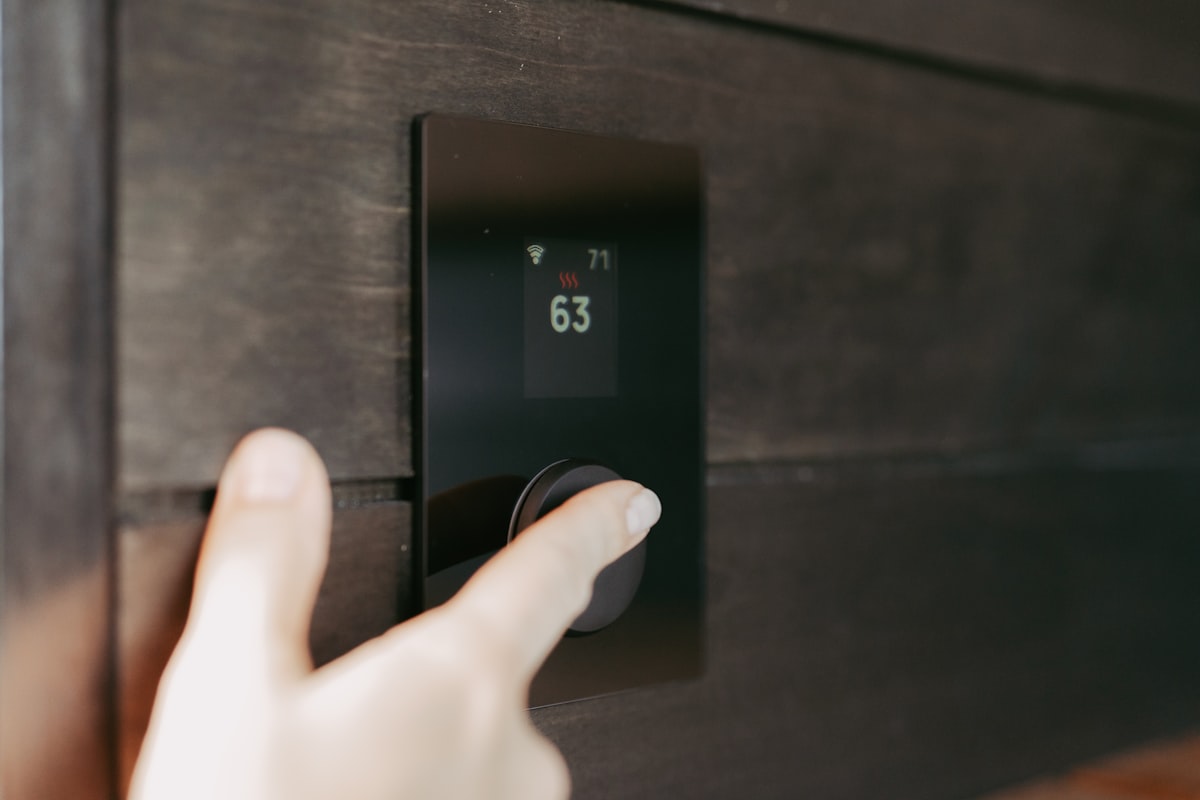
Project 2: Smart Thermostat + HVAC Optimization—The Practical Upgrade
Cost: $200–400 (thermostat) + $0–500 (ductwork sealing, optional)
Annual savings: $100–200 (8–15% HVAC efficiency improvement)
Payback period: 2–4 years
Difficulty: Easy thermostat install (1 hour); medium for ductwork sealing
Smart thermostats learn your schedule, avoid heating empty homes, and integrate real-time weather data to pre-cool or pre-heat based on forecasts. Studies from the US Department of Energy show an average 8–15% reduction in heating and cooling energy use.
Here’s the multiplier effect: most homes also have leaky ductwork. Central heating systems lose 20–30% of conditioned air through gaps in supply and return ducts. Sealing ducts with mastic sealant (not duct tape, which fails) can recover half of that loss.
Thermostat installation is straightforward—connect four wires, download the app, set your schedule. Ductwork sealing is more involved but doable with basic tools.
Combined, thermostat + ductwork sealing typically saves $100–200 annually, with payback in 2–4 years.
Project 3: Window Film or Secondary Glazing—The Renter-Friendly Option
Cost: $150–500 (removable low-E window film)
Annual savings: $75–150 (5–10% heating loss reduction)
Payback period: 2–4 years
Difficulty: Easy (30–45 minutes per window)
Single-pane windows and older double-pane windows are thermal sieves. If you rent or own a historic home where window replacement isn’t an option, removable low-E window film is a game-changer.
The film creates a thermal barrier without the cost or permanence of replacement windows. You apply it with heat and trim, and it’s fully reversible.
Installation is a weekend project. Cost is $10–25 per window, meaning a 15-window house runs $150–375. Annual savings: $75–150.
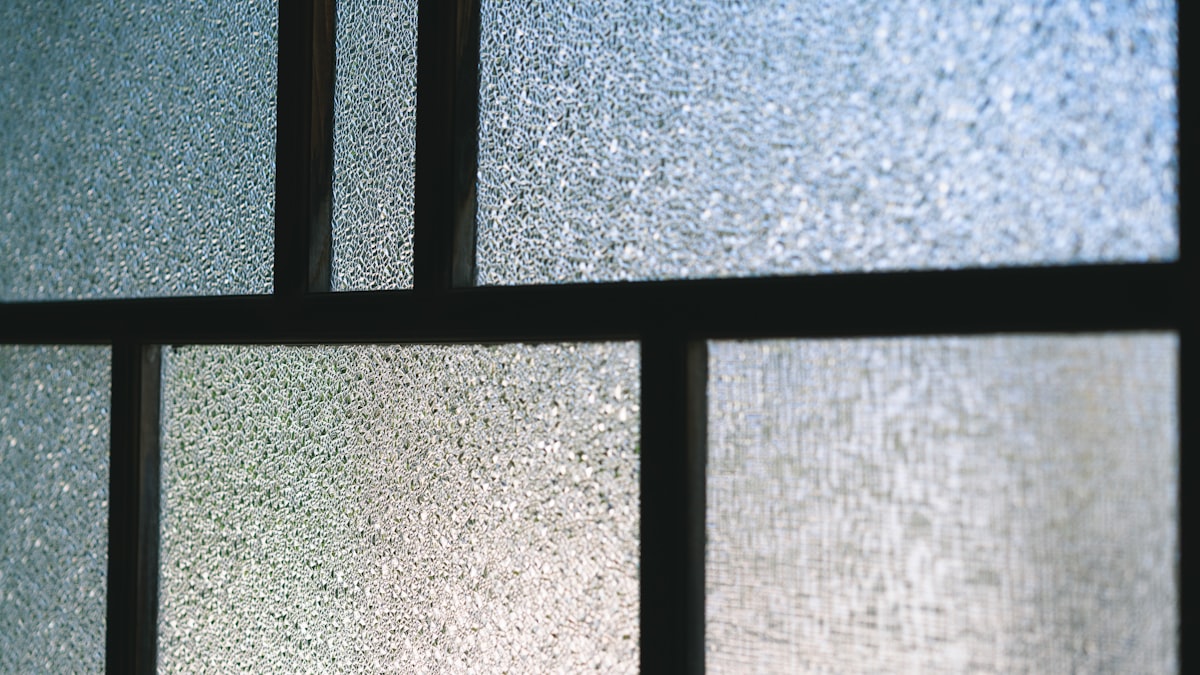
For renters or anyone in a home with irreplaceable historic windows, window film is the move. It’s the best balance of cost, effort, and impact when you can’t modify the structure.
Look for films with a low-E coating—they reflect heat back into the room in winter while blocking solar heat in summer. Most pay for themselves in 2–4 years.
Project 4: Attic Insulation or Air Sealing—The Biggest Heat Leak
Cost: $1,500–$3,000 (blown-in cellulose or fiberglass)
Annual savings: $150–200 (10–15% reduction in heating/cooling)
Payback period: 8–15 years (5–7 years if oil prices stay $100+/barrel)
Difficulty: Medium (can DIY small attics; large attics benefit from contractor help)
25–35% of home heat loss occurs through the attic roof. The EPA confirms that adding insulation to R-38 or higher can cut heating and cooling costs by 10–15%.
If your attic currently has minimal insulation (R-11 or less), upgrading to R-49 is one of the highest-impact projects available.
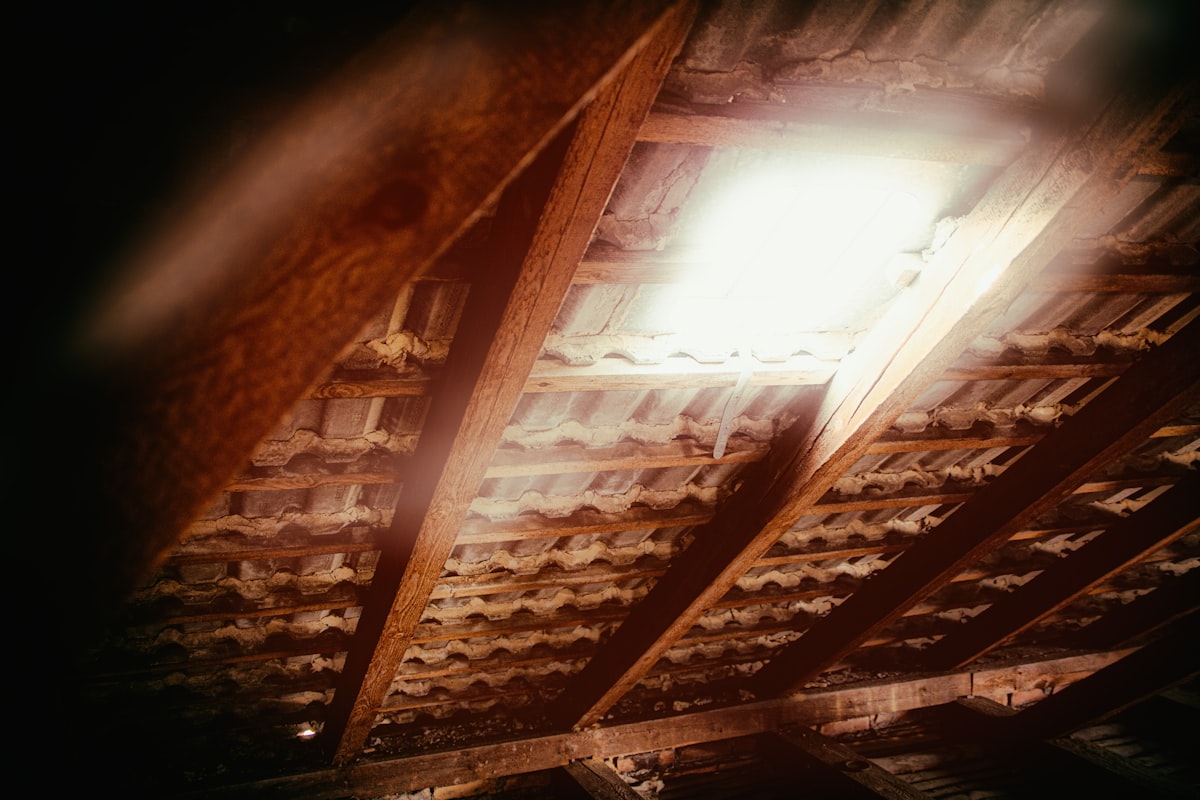
You can rent blown-in cellulose equipment ($300–500) and tackle small attics yourself. For larger spaces, hiring a contractor ($1,500–$3,000) is often faster and more reliable.
The payback is longer (8–15 years under normal oil prices), but if crude stays $100+/barrel for the next few years, payback collapses to 5–7 years. Plus, comfort improves immediately: no more hot upper floors in summer or cold spots in winter.
Project 5: Basement or Crawl Space Insulation—The Foundation Play
Cost: $1,000–$3,000 (rigid foam, fiberglass batts, or spray foam)
Annual savings: $200–300 (15–20% reduction in heating loss; prevents moisture and cold floors)
Payback period: 5–10 years
Difficulty: Medium to hard (often best with contractor help)
Basements and crawl spaces are frequently uninsulated, causing 10–15% of total home heat loss. Insulating them also eliminates cold floors, prevents moisture damage, and improves indoor air quality.
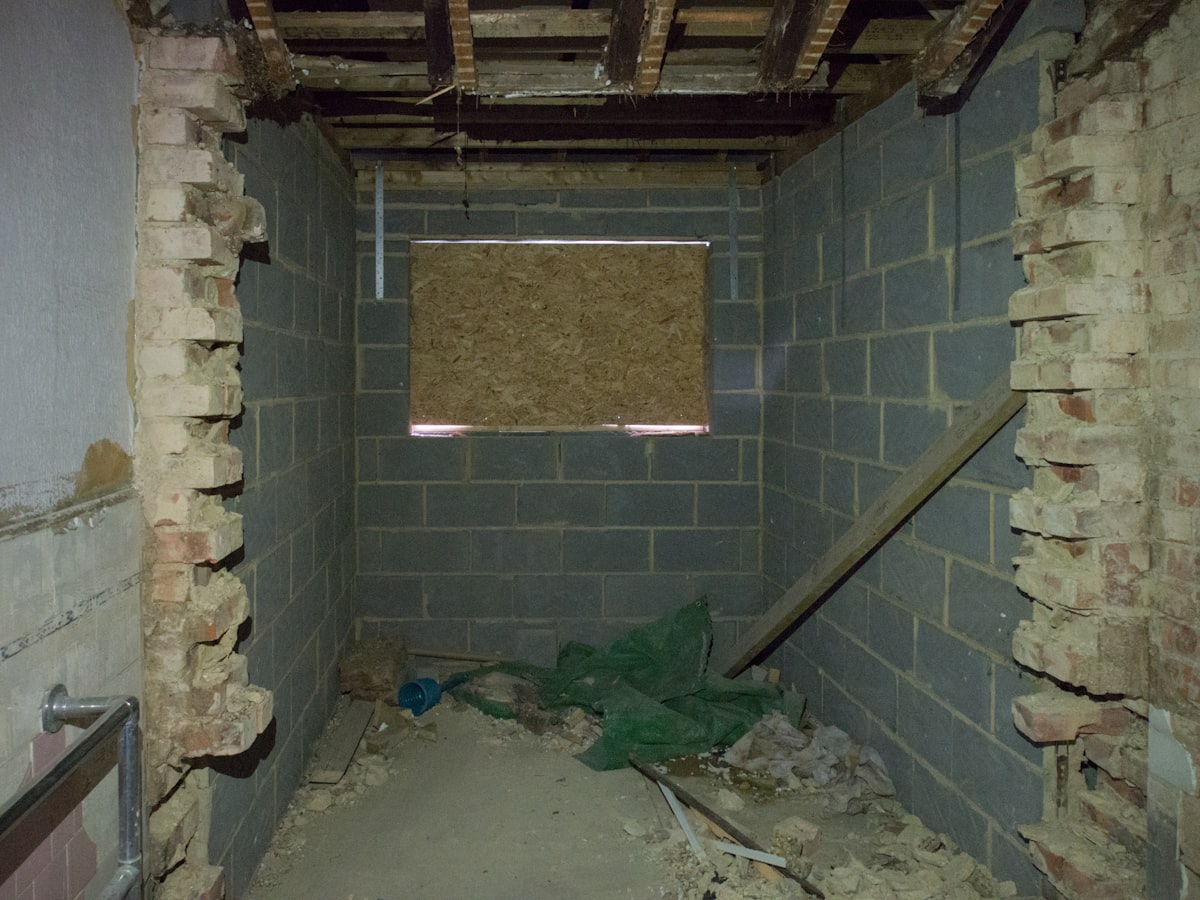
This project is more involved than weatherstripping—it requires vapor barriers, careful air sealing, and sometimes respiratory protection for spray foam. But the ROI is solid: $200–300 annual savings, payback in 5–10 years.
If you have cold floors in winter or a damp basement, this project pulls double duty: energy savings plus structural protection.
The Real-World Math: How to Prioritize
Here’s a simple framework:
Start with Projects 1 & 2 (Air Sealing + Smart Thermostat). Total cost: $400–1,300. Annual savings: $175–350. Payback: 2–4 years. You break even quickly while saving up for bigger projects.
Then move to Project 3 or 4 (Window Film or Attic Insulation), depending on your home’s needs.
Save Project 5 (Basement Insulation) for year 2 or 3, unless you have a moisture problem.
Here’s the kicker: there are federal tax credits available. The Inflation Reduction Act offers up to $1,200 in tax credits for energy efficiency upgrades. Many states offer additional rebates ($500–$10,000+). These credits can offset 30–50% of your project costs, collapsing payback periods significantly.
Next Steps: Take Action This Week
- Get a professional energy audit. Many utilities offer these free or subsidized ($100–300). An auditor will use thermal imaging and blower tests to identify exactly where your home leaks energy. This removes the guesswork from prioritization.
- Check for available incentives. Visit Energy.gov or your state’s energy office website to see what rebates and tax credits apply to your home.
- Start with the quick wins. Air sealing and a smart thermostat deliver the fastest payback and build momentum.
- Track your bills. Baseline your current energy spend, then monitor reductions month-to-month. Watching the savings accumulate is deeply motivating—and proves the ROI.
The Bottom Line
Oil prices are beyond your control. Geopolitics is beyond your control. But your home’s energy efficiency? That’s entirely within your control.
The next 12–18 months will likely see sustained upward pressure on energy costs. Waiting for prices to drop is a losing strategy. Taking action now—even with modest projects—positions you to weather the uncertainty while building a more comfortable, resilient home.
Start small. Build momentum. Let the savings compound.
Sources
- International Energy Agency (IEA) — March 2026 oil crisis and strategic reserve drawdown
- The Guardian — “Middle East War Creating Largest Supply Disruption in the History of Oil Markets”
- US Energy Information Administration — Oil price impact on household costs
- World Economic Forum — Global impact of Middle East crisis
- CNBC — Central bank response to energy inflation
- US Department of Energy — Smart thermostat savings
- EPA ENERGY STAR — Air sealing and insulation methodology