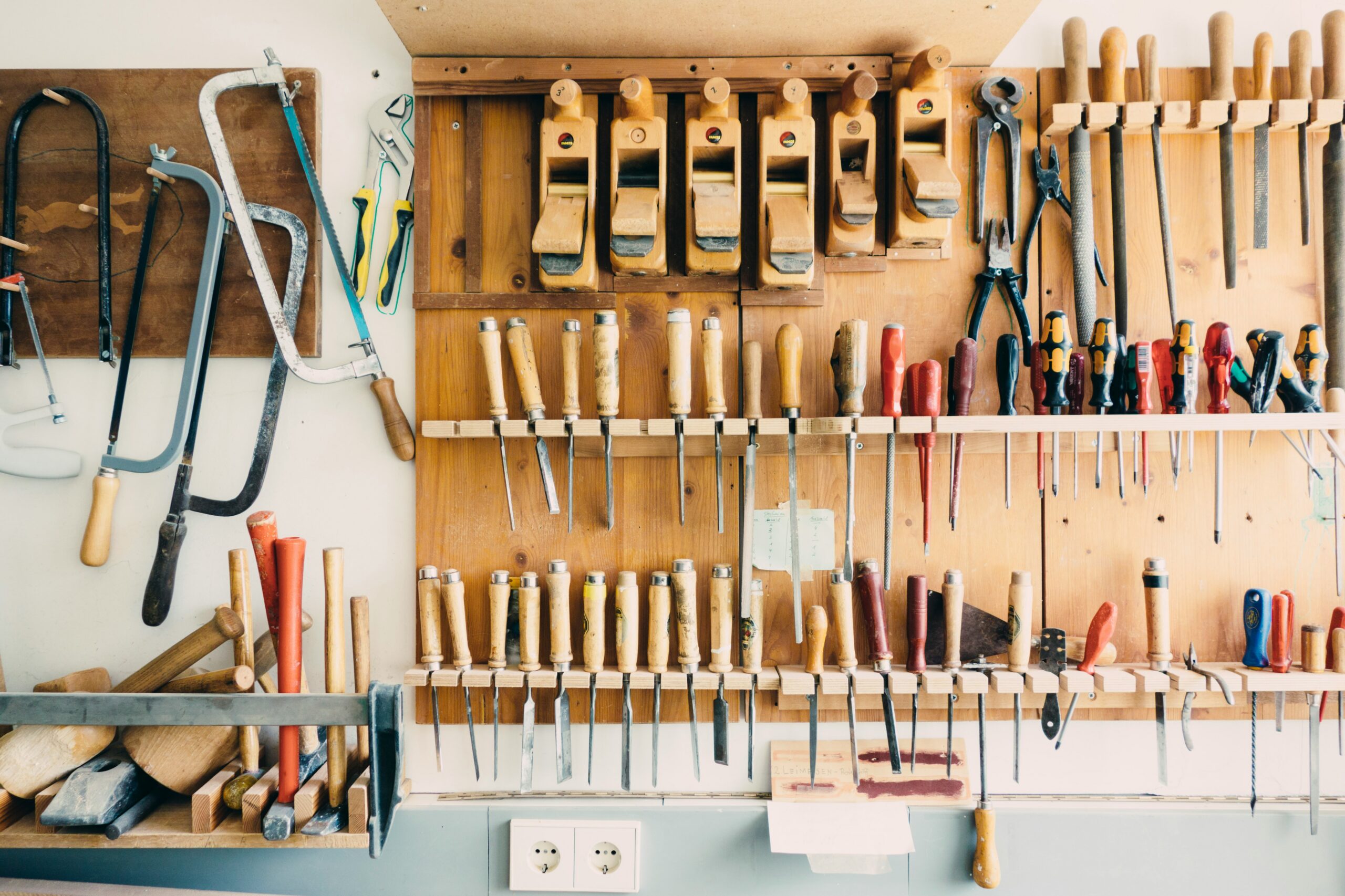
There are roughly 250 formal tool libraries operating across North America right now, about two and a half times as many as in 2018 and growing. Most started with donated space, a spreadsheet, and five neighbors. If your block doesn’t have one yet, the playbook below takes you from first conversation to grand opening, with real numbers at every step.
The Model in Plain Terms
A tool library is not a rental shop. It’s a lending system: members pay modest dues (typically $20–$100 per year), check out tools by name or category like books, and return them for cleaning and inspection before the next borrower takes them. Some are hosted inside public libraries with no fee at all; others run as independent 501(c)(3) nonprofits — Station North and Chicago each hold more than 3,000 tools.
The category is wider than most people realize. Roughly 2,000 Libraries of Things exist worldwide as of 2026 per Shareable’s coverage, ranging from informal garage collections to funded organizations lending camping gear, musical instruments, and party supplies alongside drill sets.
The U.S. piece grew out of the post-2008 wave: about 40 tool lending libraries in 2013, climbing steadily since per the USDN Sustainable Consumption Toolkit. The premise is simple economics, which is worth stating plainly because it’s what makes the model replicable: most households use a tile saw or carpet extractor once in three years and would never buy one.
The Case, in Dollars and Carbon
The average member household saves $500–$1,000 per year by borrowing instead of buying per a 2022 consumer savings study cited by AllTradesJournal. The NE Seattle Tool Library estimates its members have collectively avoided more than $500K in annual tool purchases.
On the environmental side, the North Portland Tool Library logged 7,364 loans in 2013, and a study of its lending data found those borrowed tools avoided 143–200 metric tons of CO2 equivalent in upstream manufacturing impacts per the USDN toolkit’s writeup. The Edinburgh Tool Library publishes an open carbon calculator so any sharing library can tally its own avoided emissions. Modeling from NE Seattle and Think & Save the World suggests DIY projects routed through shared tools cut per-project embodied carbon by 50–90% the methodology is worth reading.
The household math, typical retail prices versus what a membership actually buys you:
| Tool | Typical retail price | What your $20–$100/yr dues cover instead |
|---|---|---|
| Pressure washer | ~$300 | All of it, plus the carpet extractor and tile saw below |
| Tile saw | ~$400 | Same membership fee |
| Carpet extractor | ~$250 | One checkout cycle each time you need it |
| 28-ft extension ladder | ~$350 | Borrowed for a weekend, returned clean |
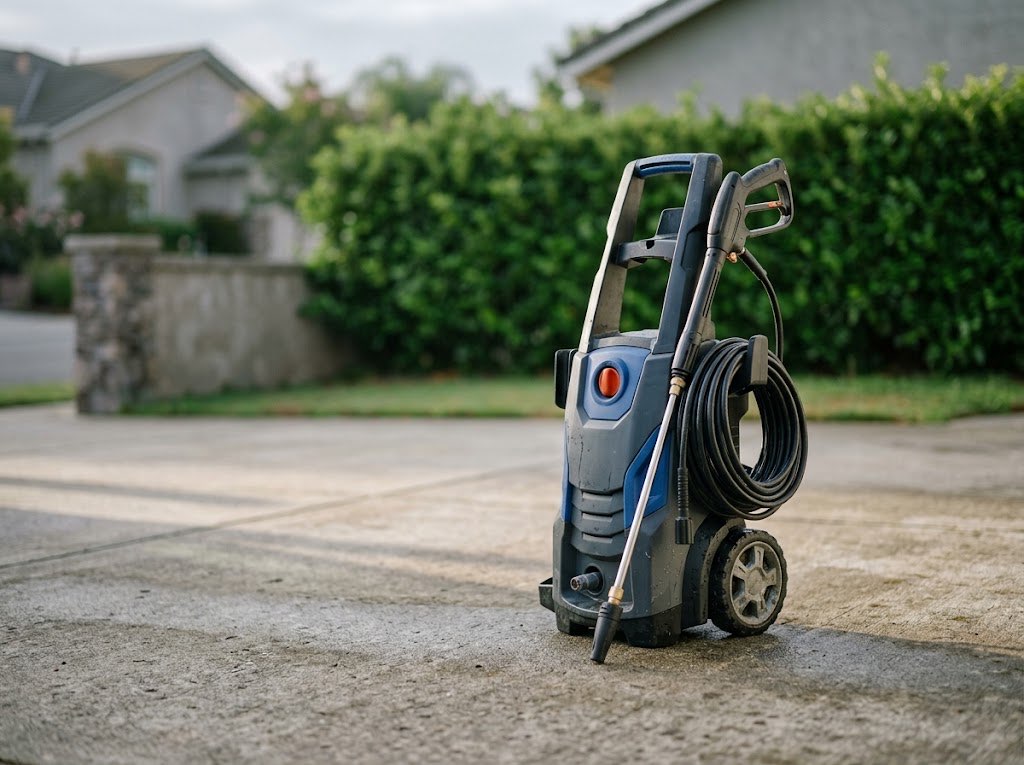
Those are exactly the items most households own once and use rarely. Shared access turns four separate garage purchases into one line item on your dues statement.
The Blueprint, Step by Step
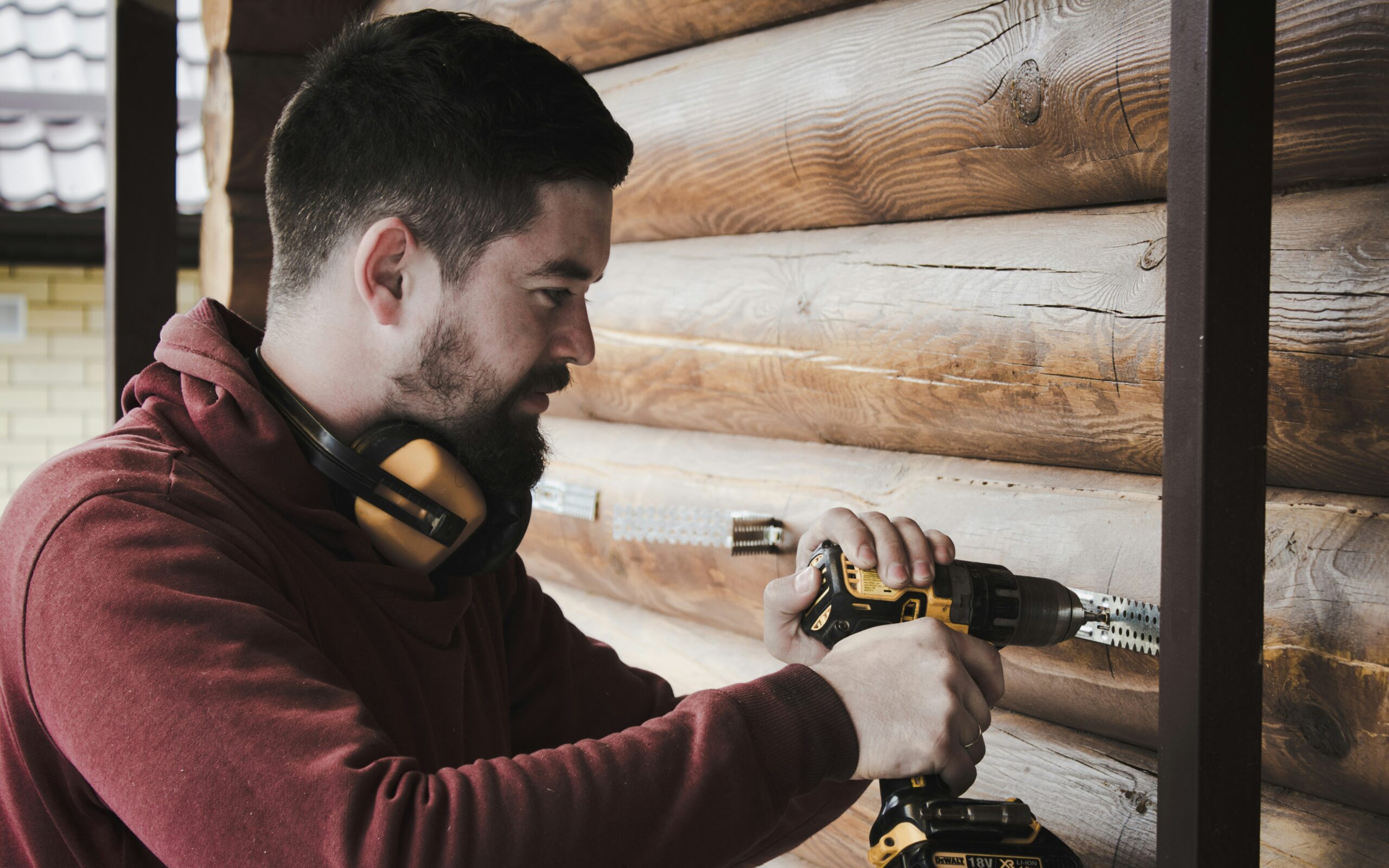
1. Demand assessment first. Before you buy or accept anything, find out what your neighbors own and never use. Ask in the neighborhood group chat: which tool have you bought and used twice? A handful of responses tells you whether you’re founding a library or a hobby club around someone else’s lawn mower obsession.
2. Space is the make-or-break step. The cheapest launch path is running as a program inside an existing organization, a public library (the Berkeley model since 1979), a community center, or an established nonprofit that adds you to its insurance policy and mailing list. That sidesteps incorporation and liability costs during your critical first year. Alternatives: a donated garage (Station North Baltimore started in an alley warehouse), a storage unit, even a converted shipping container.
One trade-off to write down before you sign anything: libraries that lose their lease report serious disruption. Station North, Asheville, and West Seattle each relocated at least once. Negotiate renewal terms into any agreement from day one.
3. Seed inventory of 50–100 high-demand tools. Drills, saws, ladders, carpet extractors, tile saws, pressure washers. Accept donations, but tag everything the day it arrives; an untagged tool is a lost tool.
Scope will expand on its own later (Asheville’s library holds 3,804 items as of April 2026, including camping gear and instruments), so don’t try to predict year three from the start.
4. Legal structure plus insurance. Start inside an existing organization if you can. Move toward your own 501(c)(3) when outgrowing it, which is Station North’s exact arc. Budget $500–$1,500 per year for general liability coverage; Philadelphia Insurance and others routinely write tool library policies, and most established hosts will add a rider instead of making you buy standalone coverage.
One warning that deserves bold print: an uninsured power-tool injury can end a library overnight. This is the one startup cost I would never skip to save money.
5. Management software. A spreadsheet with a date column runs your first month fine, but myTurn is what most libraries graduate to: 130+ libraries use it for barcode scanning, reservations, and automated return reminders, which matter once lending volume climbs.
6. Lending policies. Sliding-scale dues from $20–$100 per year is the norm; Chicago runs pay-what-you-can, some libraries accept volunteer hours as payment, public-library-hosted ones often charge nothing. Set clear return deadlines and require a cleaning pass before anything goes back on the shelf.
Home as We Make It publishes a full 20-step launch walkthrough worth keeping open beside this.
7. Grand opening that fills the roster before doors swing. Membership is your working capital, so recruit it early: borrow your host organization’s mailing list, offer a free first checkout weekend, and consider hosting a repair café to show the tool wall in action (PVD Things’ cafés repaired 300+ items in 2024 alone). A launch event with members already signed up beats an open house where you count noses.
Proof It Can Last
Berkeley Tool Lending Library, founded 1979. The oldest public-library-hosted model, and still running: 5,000+ tools, 3,000+ active members, roughly a $250K annual budget. Forty-seven years is the argument that institutional partnership works per AllTradesJournal’s history.
Station North Tool Library, Baltimore (2013). Started volunteer-run in an alley warehouse; now a 501(c)(3) holding 3,000 tools with 2,200 members and 30 classes a year. It doubles as a trade school with dedicated workspaces, proof that lending can anchor broader skill-sharing covered by Truthout.
Chicago Tool Library (2019). The pay-what-you-can experiment at scale: 3,000+ tools and more than 10,000 lends per year. Fastest growth in the country, partly because removing the price barrier removed the sign-up friction per AllTradesJournal.
Vancouver Tool Library. The strongest published proof that dues can carry operations: 851 active members, 1,939 tools, and 8,454 rentals in its most recent year, financially self-sustaining for three consecutive years with revenue up 7% year over year full numbers are in the annual report.
Where This Model Bends
Space is the hardest problem. Every relocation costs money and membership goodwill. If your garage lease can’t be renewed, plan for it before you need it: a second space option on paper beats discovering the issue at renewal time.
Liability is real. Insurance exists and isn’t expensive ($500–$1,500/year), but it’s a fixed cost that tiny libraries feel in every budget cycle. The public-library partnership model sidesteps this entirely by riding under an existing policy, which is one more reason to start inside someone else’s institution when possible.
Volunteer burnout is the default failure mode. Three to five core volunteers covering open hours plus maintenance plus administration does not survive past year two. Most libraries that last transition to at least one part-time paid coordinator once dues revenue supports it, and Vancouver’s self-sustaining numbers show what that looks like.
Maintenance eats time: 10–20% of operating hours. Donated tools need constant repair. The fix is reciprocity agreements with maker spaces or tool-repair programs rather than expecting your volunteers to double as mechanics the maintenance culture is one reason sharing networks build trust beyond the shelf.
Budget for theft and loss at 5–10% of inventory annually. Set expectations with members up front; replacement is an operating cost like any other.
One risk note worth keeping on file: the Institute for Museum and Library Services was cut in 2026, and Berkeley’s program began life as an IMLS grant. Institutional funding can shift under your feet even when the model itself is sound.
And to be direct about fit: a tool library is not a hardware-store replacement. High-use consumables (drill bits, sandpaper, blades) and emergency purchases (the burst pipe at 9 p.m.) are bad fits for lending.
It’s built for occasional-use tools, which covers most of your garage anyway.
The Next Thing You Can Do This Weekend
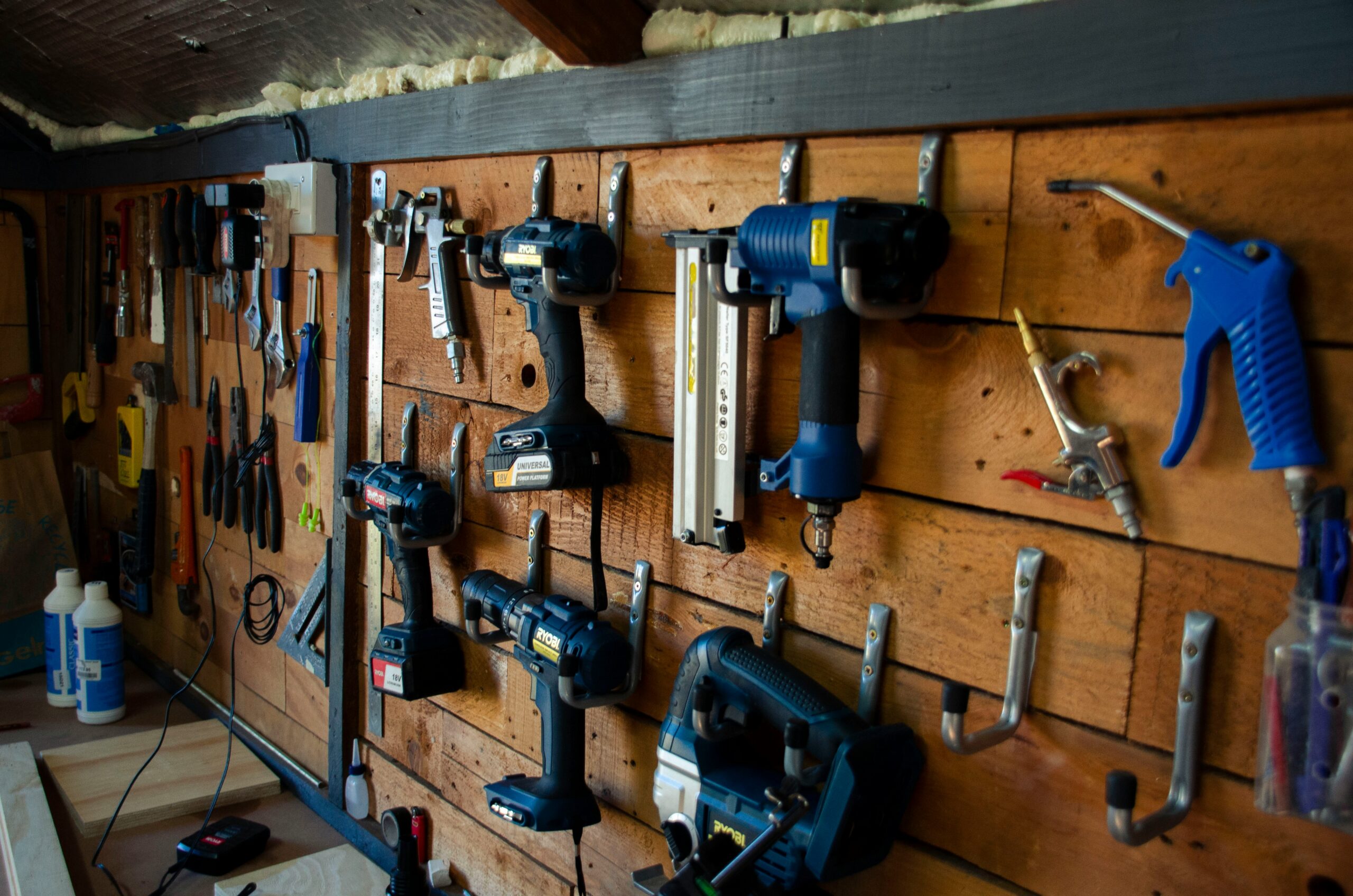
The free resources exist and they’re good: Shareable’s Library of Things Toolkit 2.0 walks the whole launch, the Tool Library Alliance, formed in 2024, runs monthly calls and webinars for anyone starting or running one (toollibraryalliance.org), and Local Tools maintains a directory of existing libraries by region.
So start with step zero: search Local Tools’ find-a-library page for your zip code. If nothing turns up, post in your neighborhood group chat this weekend asking who owns a tool they’ve used twice or fewer and count the replies. Ten names on that thread is your founding committee, your demand assessment, and your first inventory list all at once.
Sources
https://alltradesjournal.com/tools-equipment/tool-libraries-growing-wider-adoption/
https://sustainableconsumption.usdn.org/initiatives-list/tool-lending-libraries
https://greenamerica.org/your-green-life-2026/borrow-not-buy-tool-libraries-public-good
https://www.shareable.net/toolkit/library-of-things/
https://www.toollibraryalliance.org/
https://myturn.com/library-of-things/
https://vancouvertoollibrary.com/wp-content/uploads/2026/05/VTL-Annual-Report-2025-2026.pdf
https://alltradesjournal.com/tools-equipment/community-tool-libraries-access-items
https://www.homeaswemakeit.com/20-steps-to-launching-a-neighborhood-tool-library/
Related reading

When the Grid Goes Down in a Heat Wave, the Cooling Center Won’t Save You. Your Neighbors Might.
When the power goes out during a heat wave, official cooling centers may be closed or dark. Here is a neighborhood plan that works when …
The 3D Printing Revolution in Your Backyard: How a Printer Can Build a Stronger Community
We’ve all been there. The plastic handle on a favorite appliance snaps. A crucial knob on the dishwasher breaks off. A child’s toy, once beloved, …
Community Mesh Networks: Your Guide to a Local Comms Grid When the Internet Goes Down
Picture this: a fierce summer thunderstorm rolls through, more intense than predicted. The power flickers and dies. You check your phone—no signal. The cell towers, …