The average American household spends over $400 a year on over-the-counter medications, treating the neighborhood pharmacy as an indispensable utility. When a headache strikes, we reach for acetaminophen. When a seasonal virus lands, we grab dextromethorphan syrup. When a summer hike yields bee stings and poison ivy, we buy hydrocortisone.
We treat these white plastic bottles as bedrock infrastructure until a supply shock hits. During recent supply disruptions, pediatric fever reducers and basic cough syrups vanished from commercial shelves for months. That breakdown revealed how thoroughly households have outsourced everyday symptom management to fragile, distant distribution networks.
The alternative is not to abandon modern medicine for folklore. The alternative is to recognize that before pharmaceutical labs synthesized single molecules in petrochemical reactors, botanical chemistry provided the blueprint for over half the pharmacopeia.
What has changed in modern herbalism is rigor. Regulatory bodies like the European Medicines Agency (EMA) Committee on Herbal Medicinal Products and decades of peer-reviewed clinical trials have validated what traditional herbalists practiced for centuries.[1] We now understand the exact mechanisms, active constituents, extraction parameters, and safety limits required to build a functioning home apothecary.
Here is how to replace 10 standard over-the-counter medicine cabinet staples with stable, evidence-based herbal preparations you can make in your own kitchen.
The Honest Trade
Here is the honest trade at the center of botanical medicine, and I would rather state it plainly than sell you a fantasy. Herbal preparations are not emergency medicine.
If you are experiencing chest pain, acute abdominal trauma, severe bacterial sepsis, or compound fractures, you need a hospital and synthetic medicine. An herbal salve will not set a broken femur, and willow bark will not resolve bacterial pneumonia.
Who This Is For
- Households looking to reduce everyday dependence on commercial pharmacy supply chains.
- Growers, homesteaders, and self-reliance practitioners who want stable, long-lasting botanical remedies.
- Anyone seeking evidence-backed, low-toxicity alternatives for common minor ailments.
Who This Is Not For
- Anyone treating acute trauma, high unyielding fevers in infants, or severe chronic organ pathologies.
- Those unwilling to accurately weigh, measure, and label botanical extractions.
- Individuals taking prescription pharmaceuticals without verifying botanical-drug interactions.
What botanical preparations excel at is the 80 percent of daily household friction: tension headaches, muscle aches, mild gastrointestinal spasms, acute viral colds, motion sickness, superficial cuts, minor burns, insect bites, and sleep latency.
In exchange for your labor and basic kitchen chemistry, you gain autonomy. A single mason jar of alcohol tincture costs a fraction of commercial blister packs and stays chemically stable for five years without refrigeration.
The Extraction Architecture: How to Pull Medicine from Plants
You cannot simply chew on raw leaves and expect reliable clinical outcomes. Botanical medicine works because plants produce secondary metabolites—alkaloids, flavonoids, tannins, glycosides, and essential oils—that interact with human cellular receptors. To capture these compounds in predictable concentrations, you need the right solvent.
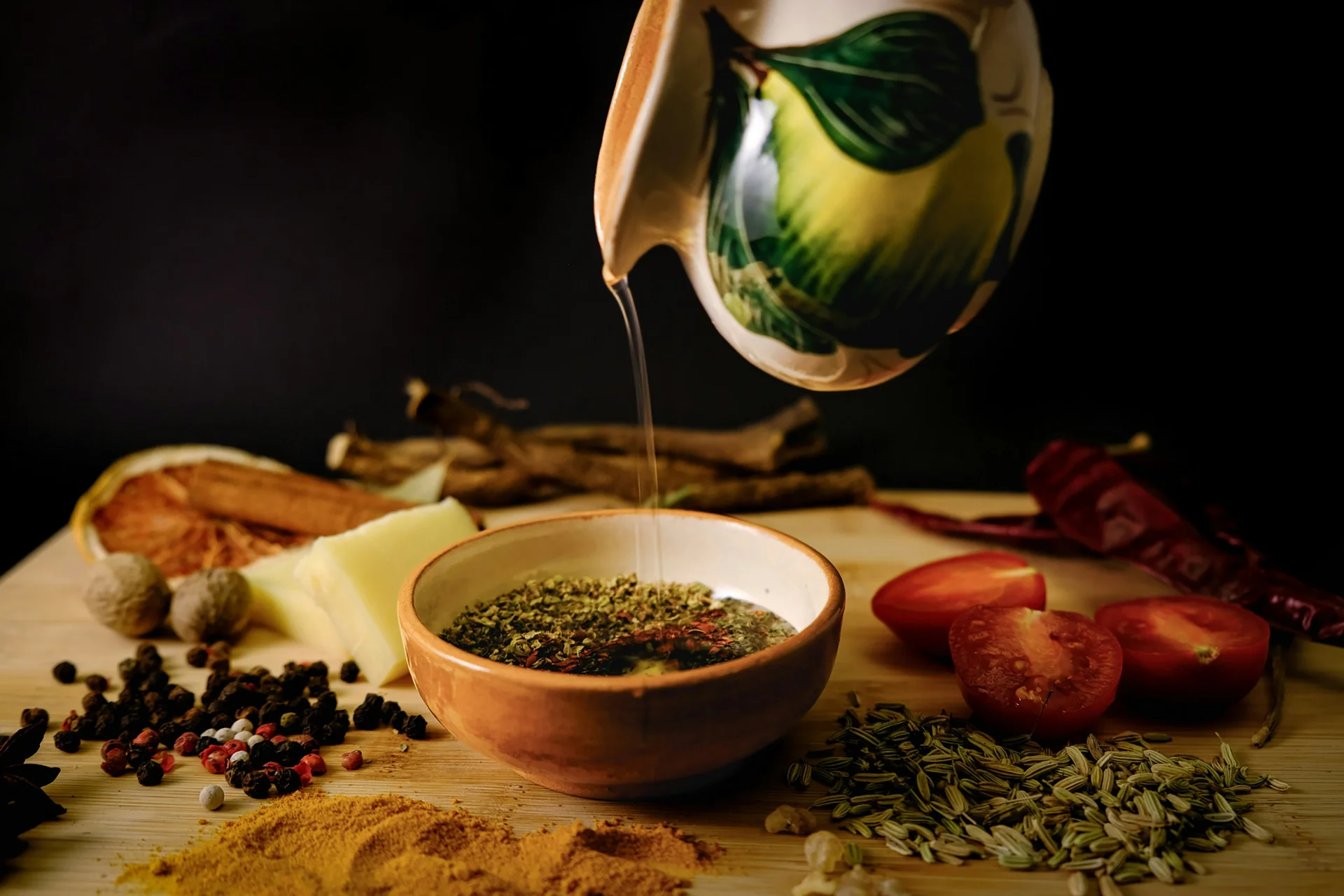
1. Alcohol Tinctures (Menstruum: 40% to 60% Ethanol)
Alcohol is the workhorse solvent of the home apothecary. It extracts both water-soluble and alcohol-soluble constituents while acting as a complete preservative.
- Standard Ratio: 1:5 weight-to-volume for dried botanicals (100 grams herb to 500 milliliters 100-proof vodka or cane alcohol).
- Maceration Time: 4 to 6 weeks in a dark cupboard, shaken daily.
- Shelf Life: 3 to 5 years in amber glass bottles.
2. Infused Oils and Beeswax Salves (Lipophilic Extraction)
For topical applications, non-polar compounds (such as carotenoids and resinous acids) must be extracted into lipids.
- Standard Ratio: 1:5 dried herb macerated in extra virgin olive oil or jojoba oil for 4 to 6 weeks (or gently heated in a double boiler at 100°F to 110°F for 4 hours).
- Salve Formulation: Melt 1 part clean beeswax pastilles into 4 to 5 parts strained infused oil.
- Shelf Life: 12 to 18 months in aluminum tins or glass jars.
3. Syrups and Concentrated Decoctions (High-Osmotic Preserves)
Water extractions spoil within days unless protected by osmotic pressure. By simmering tough roots or berries into a concentrated decoction and blending it with raw honey or organic sugar at a 1:1 or 1:2 ratio, the sugar binds water molecules and prevents microbial proliferation.
- Shelf Life: 3 to 6 months refrigerated.
The 10 Essential Herbal Preparations
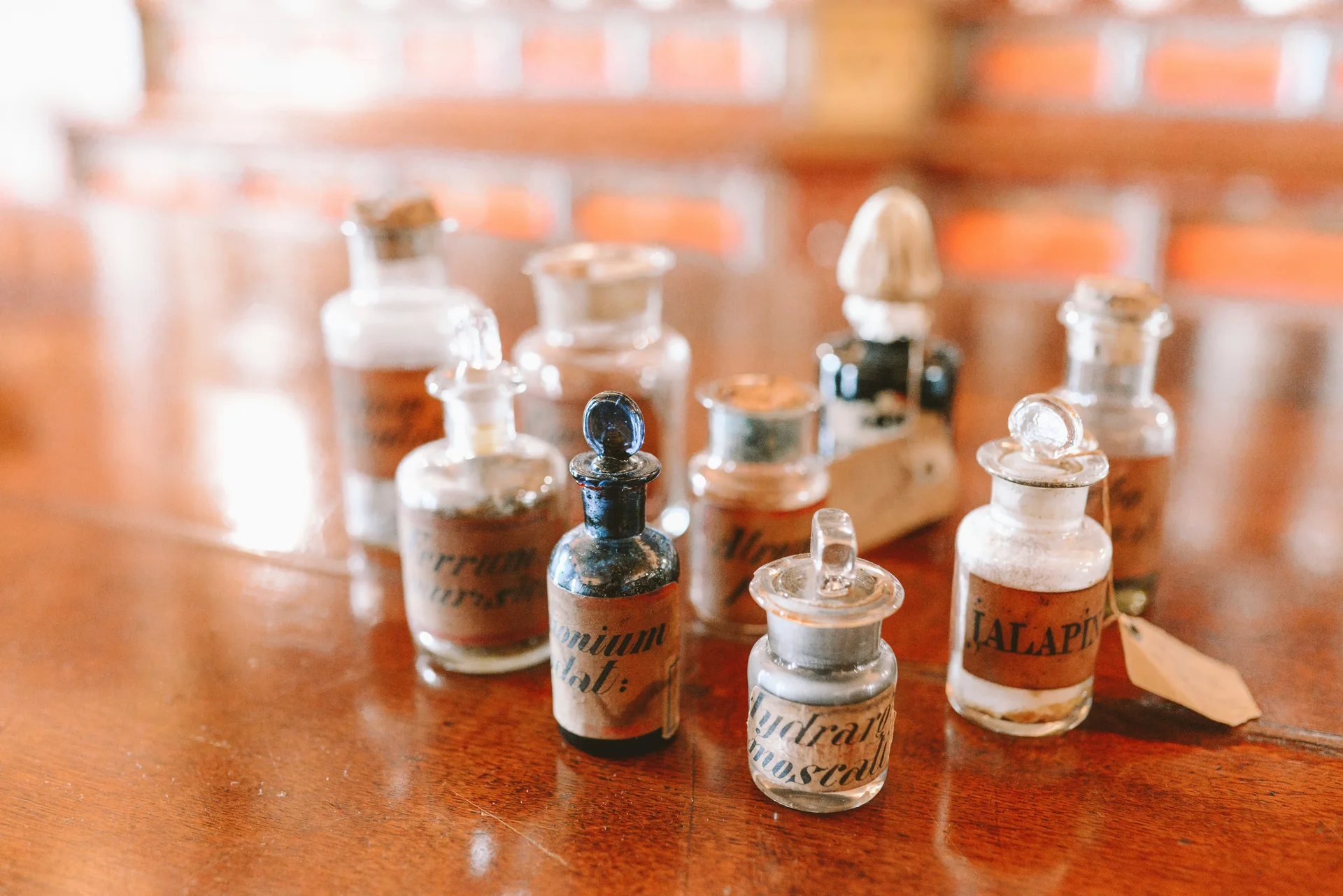
1. White Willow Bark (Salix alba) Tincture
- Replaces: Aspirin / Ibuprofen (for tension headaches, mild fever, and joint stiffness)
- Active Constituents: Phenolic glycosides (salicin, salicortin), tannins, flavonoids.
- How It Works: Salicin is metabolized in the intestinal tract and liver into salicylic acid, which inhibits cyclooxygenase (COX-1 and COX-2) enzyme activity, blunting prostaglandin synthesis.[2] Unlike synthetic acetylsalicylic acid (Aspirin), natural willow bark lacks the acetyl group that directly irritates gastric mucosa, resulting in a significantly lower incidence of stomach ulceration.
- Standard Dose: 2 to 4 mL of a 1:5 tincture in water, up to 3 times daily.
2. Black Elderberry (Sambucus nigra) Syrup
- Replaces: OTC Cold/Flu symptom syrups and lozenges
- Active Constituents: Anthocyanins (cyanidin-3-glucoside), quercetin, lectins.
- How It Works: Elderberry flavonoids bind directly to viral surface hemagglutinin glycoproteins, preventing the virus from penetrating host cell membranes while stimulating mucosal immune responses.[3] In randomized, double-blind clinical trials conducted by Zakay-Rones et al., patients receiving standardized elderberry extract showed symptom relief 4 days earlier than the placebo group.[4] A randomized trial in air travelers demonstrated significant reductions in cold duration and symptom score.[5]
- Standard Dose: 1 tablespoon (15 mL) daily for prevention during viral season; 1 tablespoon every 4 hours at the first onset of respiratory symptoms.
3. Ginger Root (Zingiber officinale) Tincture & Decoction
- Replaces: Dimenhydrinate (Dramamine) / Bismuth subsalicylate (for nausea and motion sickness)
- Active Constituents: Gingerols, shogaols, zingerone.
- How It Works: Ginger’s pungent principles act as antagonists on peripheral serotonin 5-HT3 and muscarinic cholinergic receptors in the gastrointestinal tract, promoting gastric emptying without depressing the central nervous system.[6] Systematic reviews by Ernst and Pittler confirmed that ginger is superior to placebo and comparable to over-the-counter anti-emetics for motion sickness and postoperative nausea, without the groggy hangover typical of synthetic antihistamines.[7]
- Standard Dose: 1 to 2 mL of fresh-root tincture in warm water 30 minutes before travel, or 1 cup of strong root decoction.
4. Peppermint (Mentha x piperita) Essential Oil Dilution & Tea
- Replaces: Simethicone (Gas-X) & Low-dose Acetaminophen (for tension headaches)
- Active Constituents: L-menthol, menthone, rosmarinic acid.
- How It Works: Menthol blocks voltage-gated calcium channels in intestinal smooth muscle, generating a direct spasmolytic and carminative effect that rapidly relieves gas pressure and bloating.[8] When applied topically to the temples in a 10 percent ethanol or carrier solution, menthol stimulates cutaneous cold receptors (TRPM8) and inhibits pain signaling. In a benchmark clinical trial by Göbel et al., a 10 percent peppermint oil solution proved as effective as a 1,000 mg dose of acetaminophen for episodic tension-type headaches.[9]
- Standard Dose: 1 cup strong peppermint leaf infusion for digestive spasms; 2 to 3 drops of 10% diluted oil massaged into temples and forehead for headache.
5. German Chamomile (Matricaria chamomilla) Glycerite & Infusion
- Replaces: Diphenhydramine (Benadryl) / Mild Sedatives (for nervous insomnia and nervous stomach)
- Active Constituents: Apigenin, bisabolol, chamazulene.
- How It Works: The flavone apigenin selectively binds to central benzodiazepine receptors on the GABA-A receptor complex, producing mild tranquilizing and anxiolytic effects without chemical dependency.[10] Concurrently, chamazulene and bisabolol inhibit cyclooxygenase and 5-lipoxygenase pathways, easing stress-induced gastrointestinal cramping. Amsterdam et al. demonstrated clinically meaningful reductions in generalized anxiety disorder scores in a randomized, double-blind study.[11]
- Standard Dose: 3 to 5 mL of glycerite/tincture 30 minutes before sleep, or a covered strong infusion (2 tablespoons dried flowers steeped for 15 minutes).
6. Calendula (Calendula officinalis) Healing Salve
- Replaces: Triple Antibiotic Ointment (Neosporin) & Hydrocortisone (for minor abrasions, burns, and chapped skin)
- Active Constituents: Faradiol monoesters, triterpenoid saponins, carotenoids, flavonoids.
- How It Works: Calendula accelerates wound closure by stimulating granulation tissue formation, collagen deposition, and localized angiogenesis.[12] In a landmark Phase III randomized trial published in the Journal of Clinical Oncology, Pommier et al. demonstrated that topical calendula significantly outperformed trolamine in preventing and healing acute radiation-induced dermatitis.[13]
- Standard Dose: Apply salve topically to clean cuts, scrapes, minor first-degree burns, or irritated skin 2 to 3 times daily.
7. Arnica (Arnica montana) Gel / Infused Oil (Topical Only)
- Replaces: Topical NSAID Gels (Diclofenac / Voltaren) for blunt trauma, sprains, and bruises
- Active Constituents: Sesquiterpene lactones (primarily helenalin and 11α,13-dihydrohelenalin).
- How It Works: Helenalin inhibits the activation of nuclear factor kappa B (NF-κB), a key central transcription factor governing inflammatory cytokine production.[14] In a multicenter randomized clinical trial comparing topical arnica gel to 5 percent ibuprofen gel in patients with hand osteoarthritis, Widrig et al. found no statistically significant difference in pain reduction or hand function scores.[15]
- Standard Dose: Rub arnica gel or infused oil gently into unbroken skin over bruises, muscle strains, or blunt injuries 2 to 3 times daily.
8. Thyme (Thymus vulgaris) & Raw Honey Expectorant Syrup
- Replaces: Dextromethorphan / Guaifenesin Cough Syrups (Robitussin)
- Active Constituents: Thymol, carvacrol, rosmarinic acid.
- How It Works: Thymol relaxes bronchial smooth muscle while stimulating the ciliated epithelial cells of the respiratory tract, accelerating mucus clearance.[16] Combined with raw honey, which coats irritated pharyngeal membranes and provides inherent antimicrobial osmotic activity, thyme syrup quiets spasmodic coughing fits while thinning congestion. Kemmerich et al. confirmed that thyme-based preparations achieved a 68 percent reduction in coughing fits among patients with acute bronchitis compared to placebo.[17]
- Standard Dose: 1 teaspoon (5 mL) every 3 to 4 hours as needed for spasmodic or congested cough.
9. Valerian Root (Valeriana officinalis) Tincture
- Replaces: OTC Sleep Aids (Doxylamine succinate, ZzzQuil)
- Active Constituents: Valerenic acid, valepotriates, isovaltrate.
- How It Works: Valerenic acid acts as an allosteric modulator of GABA-A receptors, inhibiting the enzymatic breakdown of gamma-aminobutyric acid in the central nervous system.[18] A systematic review and meta-analysis by Bent et al. in the American Journal of Medicine concluded that valerian extract statistically improves subjective sleep quality and reduces sleep latency without next-day grogginess or motor impairment.[19]
- Standard Dose: 2 to 3 mL of tincture in water 45 minutes before bedtime.
10. Plantain Leaf (Plantago major / P. lanceolata) Salve & Poultice
- Replaces: Topical Hydrocortisone & Calamine Lotion (for insect bites, stings, and poison ivy)
- Active Constituents: Aucubin, allantoin, mucilage, tannins.
- How It Works: Aucubin provides antimicrobial and anti-inflammatory action, while allantoin stimulates epidermal cell proliferation and tissue repair.[20] The astringent tannins cross-link surface proteins, drawing out venom and plant toxins from superficial tissue while soothing histamine flares.[21]
- Standard Dose: Apply a bruised fresh leaf poultice immediately to insect stings, or apply infused plantain salve to rashes 3 times daily.
Comprehensive Apothecary Quick Reference
Here is how the ten core preparations compare across extraction methods, indications, and stability:
| Herbal Preparation | Form | OTC Target Replaced | Primary Active Compound | Shelf Life |
|---|---|---|---|---|
| White Willow Bark | Alcohol Tincture (1:5) | Aspirin / NSAIDs | Salicin | 3–5 Years |
| Black Elderberry | Honey Syrup | Cold/Flu Syrups | Anthocyanins | 3–6 Months (refrig.) |
| Ginger Root | Tincture / Decoction | Dramamine / Pepto | Gingerols & Shogaols | 3–5 Years |
| Peppermint | 10% Diluted Oil / Tea | Gas-X / Acetaminophen | L-Menthol | 2+ Years |
| German Chamomile | Glycerite / Infusion | Benadryl / Sedatives | Apigenin | 2–3 Years |
| Calendula | Beeswax Salve | Neosporin / Cortisone | Faradiol Esters | 12–18 Months |
| Arnica Montana | Topical Oil / Gel | Voltaren Gel | Helenalin | 12–18 Months |
| Thyme & Honey | Concentrated Syrup | Robitussin / Mucinex | Thymol & Carvacrol | 3–6 Months (refrig.) |
| Valerian Root | Alcohol Tincture (1:5) | Sleep Aids / ZzzQuil | Valerenic Acid | 3–5 Years |
| Plantain Leaf | Salve / Fresh Poultice | Calamine / Hydrocortisone | Aucubin & Allantoin | 12–18 Months |
Critical Safety and Contraindications
The foundational principle of botanical medicine is that chemical potency requires strict safety boundaries. Respect these non-negotiable contraindications:
Warning on White Willow Bark: Because willow bark contains salicin, it shares salicylic acid contraindications. Never administer willow bark to children or teenagers recovering from viral infections due to the risk of Reye’s syndrome. Avoid if you have active bleeding disorders or aspirin allergies.
Warning on Arnica Montana: Arnica is strictly for external use on unbroken skin. Ingesting arnica flowers can cause severe cardiac and gastrointestinal toxicity. Never apply arnica oil or salve to open wounds or bleeding lacerations.
Asteraceae Plant Family Allergies: Chamomile, calendula, and arnica all belong to the Asteraceae (daisy) plant family. If you have known allergies to ragweed, marigolds, or daisies, perform a 24-hour skin patch test before broad application.
The Apothecary Build: Getting Started This Weekend
Building a resilient home apothecary does not require a chemistry degree or expensive laboratory glassware. You can start with four basic supplies:
- High-Proof Alcohol & Raw Honey: 100-proof vodka or organic cane alcohol handles your tinctures; unfiltered local raw honey handles syrups and soothing throat preparations.
- Carrier Oil & Beeswax: Extra virgin olive oil and unrefined yellow beeswax pastilles create the matrix for all topical salves.
- Certified Organic Dried Botanicals: Source from reputable growers or certified organic herbal wholesalers that provide certificates of analysis.
- Amber Glassware & Precision Scales: UV radiation degrades phytochemical bonds. Store extractions in amber glass Boston round dropper bottles and weigh herbs using an inexpensive gram scale.
Label every single preparation the moment you bottle it: botanical name, common name, menstruum ratio, date of creation, and standard dosage. Memory is a terrible inventory system.
Wrap-Up: Why This Matters
True household resilience is not built by accumulating consumer gadgets. It is built by reclaiming competencies that were systematically unlearned over the last century.
When a severe winter storm cuts off road access, or when global logistics chains stumble, a household with ten amber bottles and three tins on a wooden shelf is not in a panic. You understand the chemistry, you control the quality, and you possess the capacity to care for your family with remedies that grow from the earth.
Start with one tincture and one salve. In three months, your medicine cabinet will look very different—and you will never look at the pharmacy counter the same way again.
Sources & Clinical Evidence
- European Medicines Agency. Committee on Herbal Medicinal Products (HMPC) Herbal Monographs Overview. https://www.ema.europa.eu/en/human-regulatory-overview/herbal-medicinal-products
- European Medicines Agency. Community Herbal Monograph on Salix [various species including S. alba], cortex (Salicis cortex). https://www.ema.europa.eu/en/medicines/herbal/salicis-cortex
- European Medicines Agency. Community Herbal Monograph on Sambucus nigra L., fructus (Sambuci fructus). https://www.ema.europa.eu/en/medicines/herbal/sambuci-fructus
- Zakay-Rones Z, Thom E, Wollan T, Wadstein J. Randomized study of the efficacy and safety of oral elderberry extract in the treatment of influenza A and B virus infections. Journal of International Medical Research, 2004; 32(2): 132-140. PubMed PMID: 15080016
- Tiralongo E, Wee SS, Lea RA. Elderberry Supplementation Reduces Cold Duration and Symptoms in Air-Travellers: A Randomized, Double-Blind Placebo-Controlled Clinical Trial. Nutrients, 2016; 8(4): 182. PubMed PMID: 27023596
- European Medicines Agency. Community Herbal Monograph on Zingiber officinale Roscoe, rhizoma (Zingiberis rhizoma). https://www.ema.europa.eu/en/medicines/herbal/zingiberis-rhizoma
- Ernst E, Pittler MH. Efficacy of ginger for nausea and vomiting: a systematic review of randomized clinical trials. British Journal of Anaesthesia, 2000; 84(3): 367-371. PubMed PMID: 10700834
- European Medicines Agency. Community Herbal Monograph on Mentha x piperita L., aetheroleum (Menthae piperitae aetheroleum). https://www.ema.europa.eu/en/medicines/herbal/menthae-piperitae-aetheroleum
- Göbel H, Fresenius J, Heinze A, Dworschak M, Soyka D. Effectiveness of Oleum menthae piperitae and paracetamol in therapy of headache of the tension type. Der Nervenarzt, 1996; 67(8): 672-681. PubMed PMID: 8805113
- European Medicines Agency. Community Herbal Monograph on Matricaria chamomilla L., flos (Matricariae flos). https://www.ema.europa.eu/en/medicines/herbal/matricariae-flos
- Amsterdam JD, Li Y, Soeller I, Rockwell K, Mao JJ, Shults J. A randomized, double-blind, placebo-controlled trial of oral Matricaria recutita (chamomile) extract therapy for generalized anxiety disorder. Journal of Clinical Psychopharmacology, 2009; 29(4): 378-382. PubMed PMID: 19593179
- European Medicines Agency. Community Herbal Monograph on Calendula officinalis L., flos (Calendulae flos). https://www.ema.europa.eu/en/medicines/herbal/calendulae-flos
- Pommier P, Gomez F, Sunyach MP, D’Hombres A, Carrie C, Montbarbon X. Phase III Randomized Trial of Calendula officinalis Compared With Trolamine for the Prevention of Acute Dermatitis During Irradiation for Breast Cancer. Journal of Clinical Oncology, 2004; 22(8): 1447-1453. PubMed PMID: 15084618
- European Medicines Agency. Community Herbal Monograph on Arnica montana L., flos (Arnicae flos). https://www.ema.europa.eu/en/medicines/herbal/arnicae-flos
- Widrig R, Suter A, Saller R, Melzer J. Choosing between NSAID and arnica for topical treatment of hand osteoarthritis in a randomised, double-blind study. Rheumatology International, 2007; 27(6): 585-591. PubMed PMID: 17318618
- European Medicines Agency. Community Herbal Monograph on Thymus vulgaris L. and Thymus zygis L., herba (Thymi herba). https://www.ema.europa.eu/en/medicines/herbal/thymi-herba
- Kemmerich B, Eberhardt R, Stammer H. Efficacy and tolerability of a fluid extract combination of thyme herb and ivy leaves and matched placebo in acute bronchitis: a double-blind, randomized, placebo-controlled clinical trial. Arzneimittelforschung, 2006; 56(9): 652-660. PubMed PMID: 17063641
- European Medicines Agency. Community Herbal Monograph on Valeriana officinalis L., radix (Valerianae radix). https://www.ema.europa.eu/en/medicines/herbal/valerianae-radix
- Bent S, Padula A, Moore D, Patterson M, Mehling W. Valerian for sleep: a systematic review and meta-analysis. The American Journal of Medicine, 2006; 119(12): 1005-1012. PubMed PMID: 17145239
- European Medicines Agency. Community Herbal Monograph on Plantago lanceolata L., folium (Plantaginis lanceolatae folium). https://www.ema.europa.eu/en/medicines/herbal/plantaginis-lanceolatae-folium
- Zubair M, Nybom H, Lindholm C, Brandner JM, Rumpunen K. Promotion of wound healing by Plantago major L. leaf extracts – support for its traditional use in skin wounds. Journal of Ethnopharmacology, 2016; 177: 175-186. PubMed PMID: 27083457
A note on your health: The information in this article is for educational purposes only. It is not medical advice, and Living Method is not making any health claims about these preparations. Herbal remedies can interact with medications and are not appropriate for everyone. Talk to your doctor before using any herbal preparation, especially if you are pregnant, nursing, taking medication, or managing a health condition.
Related reading

The Evidence on Vitamin D: Why Indoor Life Leaves You Deficient (and What to Do About It)
About one in five American adults runs low on vitamin D, and the reason has almost nothing to do with diet or discipline. It is …
Functional Fitness for Self-Reliance: 5 Movements That Build Real-World Strength
Only twenty-six percent of American adults meet both aerobic and muscle-strengthening guidelines. For older adults, that number drops to fifteen percent. Falls kill nearly seven …
Ginger Bug Soda: The $0.10 Alternative to $5 Probiotic Drinks
The probiotic soda aisle is a $5 bottle of sugar water. The same fizzy, live-culture drink from your kitchen counter costs 15 cents — and …