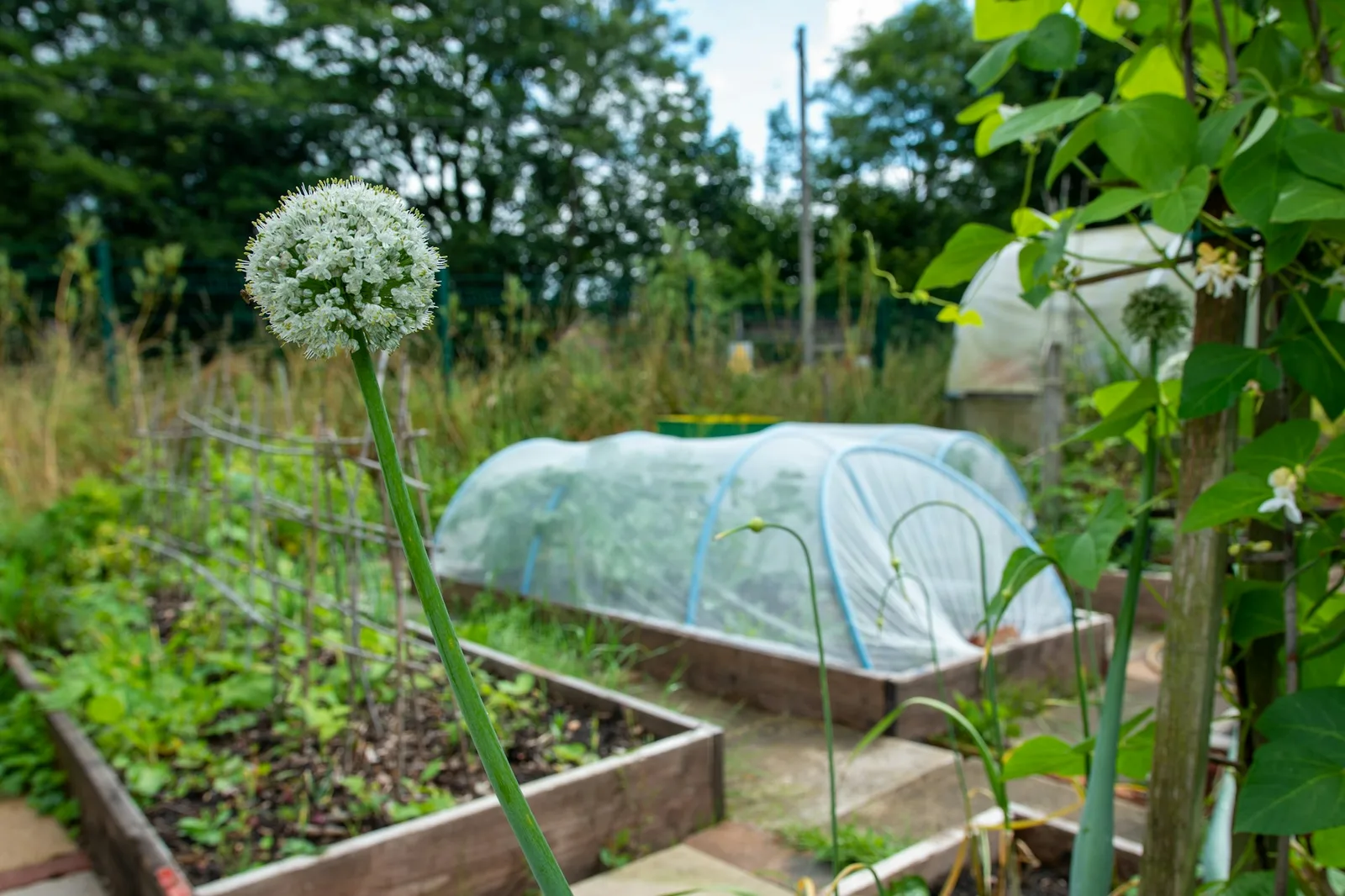
Two springs ago, my main raised bed produced one crop: a single flush of lettuce that all matured in the same ten days in May. We ate salad until we were sick of it, gave bags of it to neighbors, and watched the rest bolt. By mid-June the bed sat empty, and it stayed empty until the following April. One bed, one harvest, roughly four pounds of food.
Last year that same 4-by-8 bed produced spinach in April, bush beans through July and August, and turnips in October. Total harvest: a little over 31 pounds. Same soil, same sun, same gardener. The only thing I changed was the schedule, and the only reason the schedule changed is that I started keeping records.
This is succession planting, and the part most guides skip is the part that makes it work: the data.
The Problem With Planting Once
Most of us plant the way we were taught: one big weekend in spring, everything in the ground at once. The result is a feast-or-famine garden. Thirty heads of lettuce ripen in a week and a half, then nothing. University of Connecticut’s extension educators put it plainly: no family can use 30 heads of lettuce in a single week, so smaller sowings every week or two simply make more sense.[1]
A single sowing also wastes the bed itself. West Virginia University Extension notes that planting across the whole season, cool-season crops giving way to warm-season crops and back again in fall, keeps a garden continually in production instead of idle for months.[2] An empty bed in July is a bed earning zero.
And the stakes of that idle space keep rising. Grocery prices overall rose 2.7 percent in the twelve months ending July 2026, but fruits and vegetables rose 5.1 percent, nearly double the rate.[3] Fresh produce is the fastest-inflating thing in the cart. Every square foot of garden you keep in production is worth more this year than it was last year.
One bed, three seasons of harvest. The schedule is the difference.
What Succession Planting Looks Like
Extension services describe three patterns, and most good gardens mix all three:[2]
1. Staggered sowings. The same crop, sown at intervals, so harvests arrive in sequence instead of all at once. This is the classic lettuce-every-two-weeks move.
2. Relay replanting. A new crop goes in the moment the old one comes out. Spinach out in May, beans in by June.
3. Mixed maturities. Early and late varieties of the same vegetable planted together, so they ripen weeks apart without any extra sowing days.
Alicia Holloway at the University of Georgia grows green beans this way specifically to avoid the canning-marathon problem: smaller harvests, spread over a longer window, sized to what her household eats.[4] That framing stuck with me. Succession planting is not about growing more for its own sake. It is about growing at the rate you consume.
The Numbers That Make It Work
Here is where the data habit pays off. Three numbers drive every succession plan, and all three are free.
Your two frost dates. The Old Farmer’s Almanac frost-date tool looks up your ZIP code against NOAA weather-station records and gives you the average last spring frost and first fall frost.[5] Those two dates define your season length, and every sowing in the plan is counted forward or backward from them.
Days to maturity. Every seed packet carries it, and WVU Extension publishes a full table.[2] A few worth memorizing:
| Crop | Days to maturity |
|---|---|
| Radish | 25–35 |
| Turnip | 30–45 |
| Lettuce | 35–65 |
| Spinach | 45–60 |
| Bush beans | 50–60 |
| Cucumber | 55–65 |
| Sweet corn | 75–85 |
Anything under about 45 days is a succession workhorse. In most zones you can fit three or more rounds of radishes, turnips, or greens through a single bed in one season.
The interval. Johnny’s Selected Seeds, which supplies market gardeners who live and die by this math, publishes standard sowing intervals:[6]
| Interval | Crops |
|---|---|
| 7 days | Leaf lettuce, radish, spinach, cilantro |
| 10 days | Sweet corn, bush beans, head lettuce |
| 14 days | Beets, turnips, parsley, basil, dill |
| 21 days | Cucumbers, melons, carrots |
| 30 days | Summer squash |
Notice what the table implies: a 14-day crop sown every 14 days never leaves a gap. The interval matches the harvest rhythm. That is the whole trick, and it is arithmetic, not intuition.
The Payoff, in Pounds
Clemson Extension publishes a planning table that pairs successive plantings with expected yields, and it quantifies what a single sowing leaves on the table. Snap beans: three successive plantings totaling 75 row-feet yield about 30 pounds over the season. Pole beans, planted once, give roughly 12 pounds from 20 feet and a harvest window of about three weeks.[7] Three weeks is the typical window for a multiple-harvest crop. Sow once, and you get one window. Sow three times, and you get windows that chain together from June to frost.
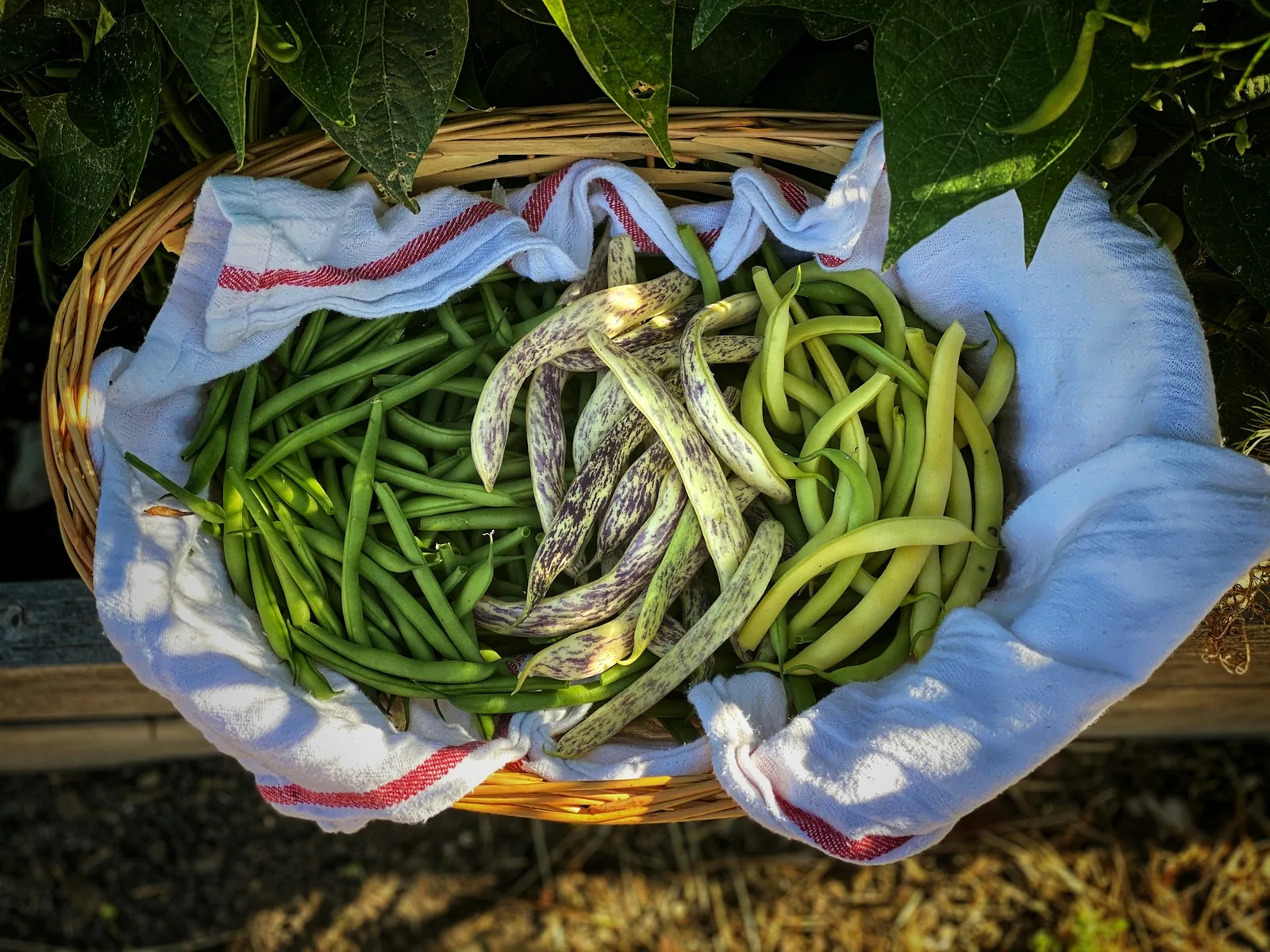
My own log tells the same story at backyard scale. The year I planted once, the beans came in a single two-week rush: about 6 pounds, half of which we froze badly and never ate. The next year I sowed a short row every ten days from late May through mid-July, four sowings total. Harvest: 13 pounds, picked in amounts we cooked and ate fresh. More than double the food, from the same footage, because the bed never sat idle between flushes.
A Worked Example: One Bed, Three Seasons
Take one 4-by-8 bed and anchor it to a typical Zone 6 schedule: last spring frost around May 1, first fall frost around October 10. That is roughly 160 frost-free days. Here is how the math plays out:
- April 1: Direct-sow spinach, 45 to 60 days to maturity.[2] It tolerates light frost, so it goes in a month before the last frost date.
- May 15–31: Spinach harvests wind down. Pull the plants the moment they bolt. That same week, sow bush beans, 50 to 60 days to maturity.
- June 10: Second bean sowing in the other half of the bed, keeping to the 10-day-plus interval. Beans carry the bed through July and August.
- August 15: Beans fade. Count backward from the October 10 frost: turnips need 30 to 45 days, so a mid-August sowing has a comfortable margin, even if fall arrives early.
- October: Turnip harvest, right up to frost.
Three crops, one bed, no idle weeks. If you want this automated, Johnny’s offers a free succession-planting calculator: enter your first planting date for each crop and it computes every later sowing date for you.[8] Illinois Extension publishes a printable succession chart you can tape to the shed wall.[9]

Where Plans Fail
I have made every mistake on this list. Learn from the log.
Sowing the interval, ignoring the season. A 14-day interval works in June. In late August, with days shortening, growth slows and the same crop needs more time. Late-season sowings need a buffer: count backward from frost and add a week or two for insurance.
Letting the old crop linger. A bolted spinach plant occupying bed space is costing you bean days. Relay planting only works if you pull finished crops promptly, the day they stop earning their square footage.
Glut by spreadsheet. The plan said sow lettuce every 7 days, so I did, and in May we were drowning in lettuce anyway. The fix is in the record: note how much your household eats per week, and size each sowing to that, not to the bed.
Forgetting the soil. Three crops a year pull three crops’ worth of nutrients. Each relay transition is the moment to work in an inch of compost. Skip it and round three noticeably underperforms.
No records. Which brings us to the real point of this article.
The Log Is the Multiplier
Every extension guide recommends keeping a planting chart or notebook, because pests and weather will alter even the most careful plan, and last year’s notes are the best guide to this year’s dates.[1] My log is a spreadsheet with eight columns: date sown, crop, variety, days to maturity on the packet, actual germination rate, first harvest date, last harvest date, and pounds harvested.
That last column is the one that changed my garden. The first year I weighed harvests, I learned my “doubled yield” was not luck or a better variety. It was the schedule: the bed spent about 200 days in production instead of about 70. The log also caught a quieter problem. My packet said 50 days for the beans; my garden took 57. Adjusting next year’s sowing dates by that week closed the last gap in the calendar.
You do not need software for this. A notebook works. But you do need to write it down, because memory lies about dates and always flatters the gardener.

Wrap-Up: Why This Matters
Food resilience is usually framed as a stockpile: cans on a shelf, calories in buckets. A garden run on data is the living version of the same idea. Fresh produce prices are climbing faster than almost anything else in the grocery store,[3] and a bed that produces from April to October instead of May to June is a hedge that pays out for six months a year.
Start small. Pick one bed this season. Write down two frost dates, sow three rounds of something fast, and weigh what comes out of the ground. By fall you will have something no seed catalog can sell you: your own numbers.

Sources
- Succession Planting — University of Connecticut Home & Garden Education Center
- Succession Planting — West Virginia University Extension
- Consumer Price Index Summary, July 2026 — U.S. Bureau of Labor Statistics
- Succession Planting for an Extended Harvest — University of Georgia CAES Field Report
- First and Last Frost Dates by ZIP Code — The Old Farmer’s Almanac
- Succession Planting Interval Charts for Vegetables — Johnny’s Selected Seeds
- How Much to Grow: Planning for Year-Round Garden Productivity — Clemson Cooperative Extension
- Planting Calculators & Tools — Johnny’s Selected Seeds
- Vegetable Succession Planting Chart (PDF) — University of Illinois Extension
Related reading
Homemade Sauerkraut vs. Store-Bought: The Real Cost in 2026
A jar of raw, live-culture sauerkraut on a refrigerated grocery shelf costs ten dollars. The head of cabbage two aisles over costs three. There's also …